 Nestward
Where to Stay Near Yosemite
A practical look at gateway towns, in-park lodges, and campgrounds.
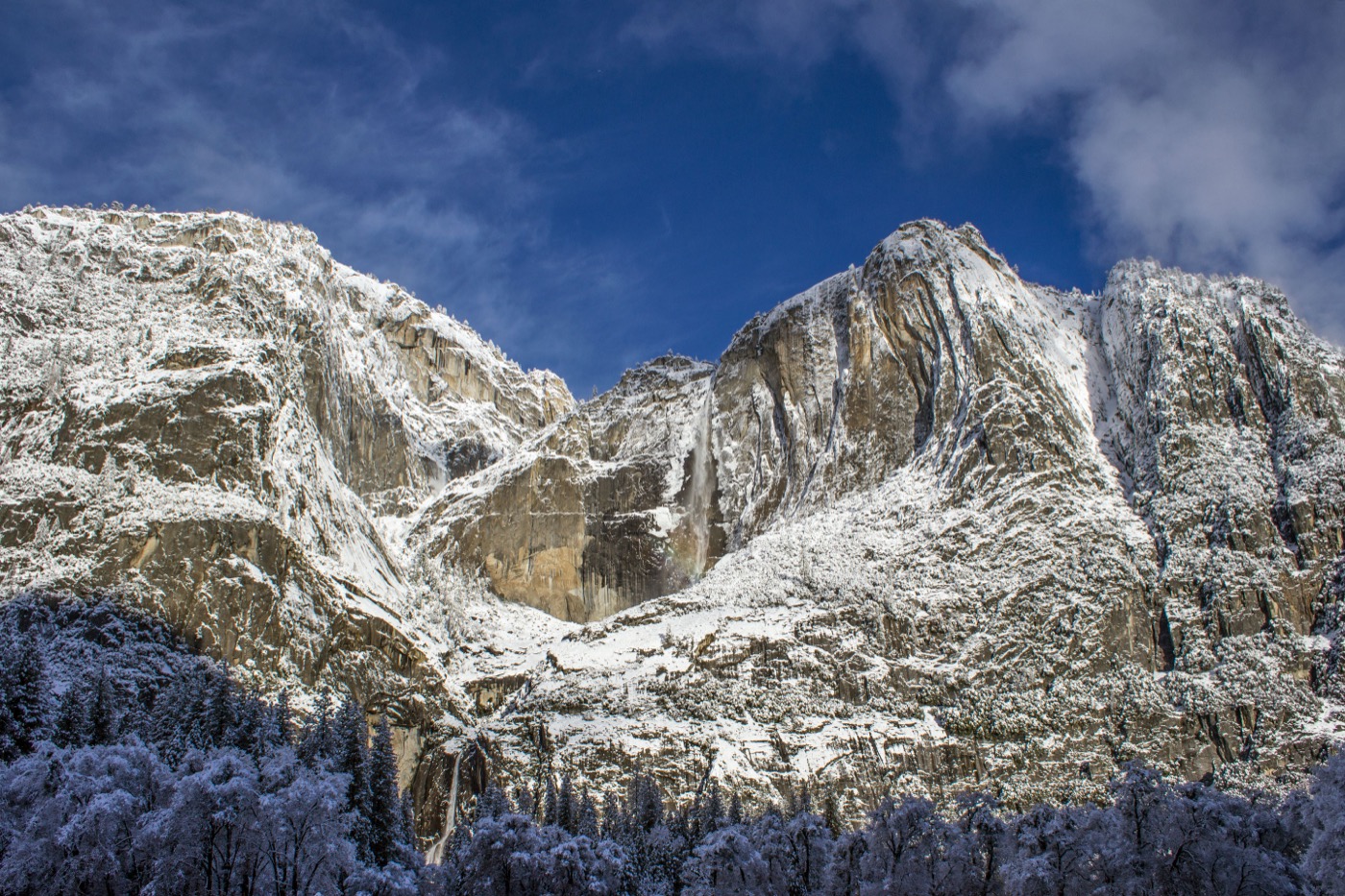
Yosemite covers nearly 1,200 square miles, but almost everything first-time families come for (Yosemite Valley, Half Dome, El Capitan, the waterfalls) sits in one small slice of it. Where you sleep decides how much of your day you spend driving versus actually standing in front of a waterfall. Here's the breakdown.
The one thing that decides everything: stay inside or outside?
Yosemite has four west-side entrances on Highways 41, 140, and 120, plus the Tioga Pass entrance on the east, which is closed roughly November through late May or June. From the gates, it's still 30 minutes to an hour of slow, winding road into Yosemite Valley. So the real question is whether you sleep inside the park or commute in each morning.
Staying inside means you wake up under the cliffs and beat the day-use crowds. It costs more, books out months ahead, and gives you fewer dinner options. Staying in a gateway town is cheaper and roomier, but you'll trade an hour or more each way and often hit an entrance line by mid-morning. Neither is wrong. With young kids, the in-park time savings tends to be worth a lot.
In-park lodges and tent cabins
Lodging inside Yosemite Valley is the prize and the headache. Pros: you're minutes from Lower Yosemite Fall, the valley shuttle, the bike paths, and ranger programs. Walk out the door and a Junior Ranger morning or an easy stroll to the falls is right there. Cons: it's expensive, often sold out half a year out, and rooms are basic for the price.
- Valley hotels and lodge rooms: Real beds, real walls, in the heart of the action. Book the instant your dates open; cancellations are your backup plan.
- Canvas tent cabins: A budget-friendly, very popular middle ground. Beds and shared bathhouses, with a camp feel kids love. Bears are active, so all food goes in the provided lockers, full stop.
- Wawona, near the south entrance: Quieter, historic, and the closest base to the Mariposa Grove of giant sequoias. About an hour from the valley, so better as a sequoia-and-slow-pace stay than a valley basecamp.
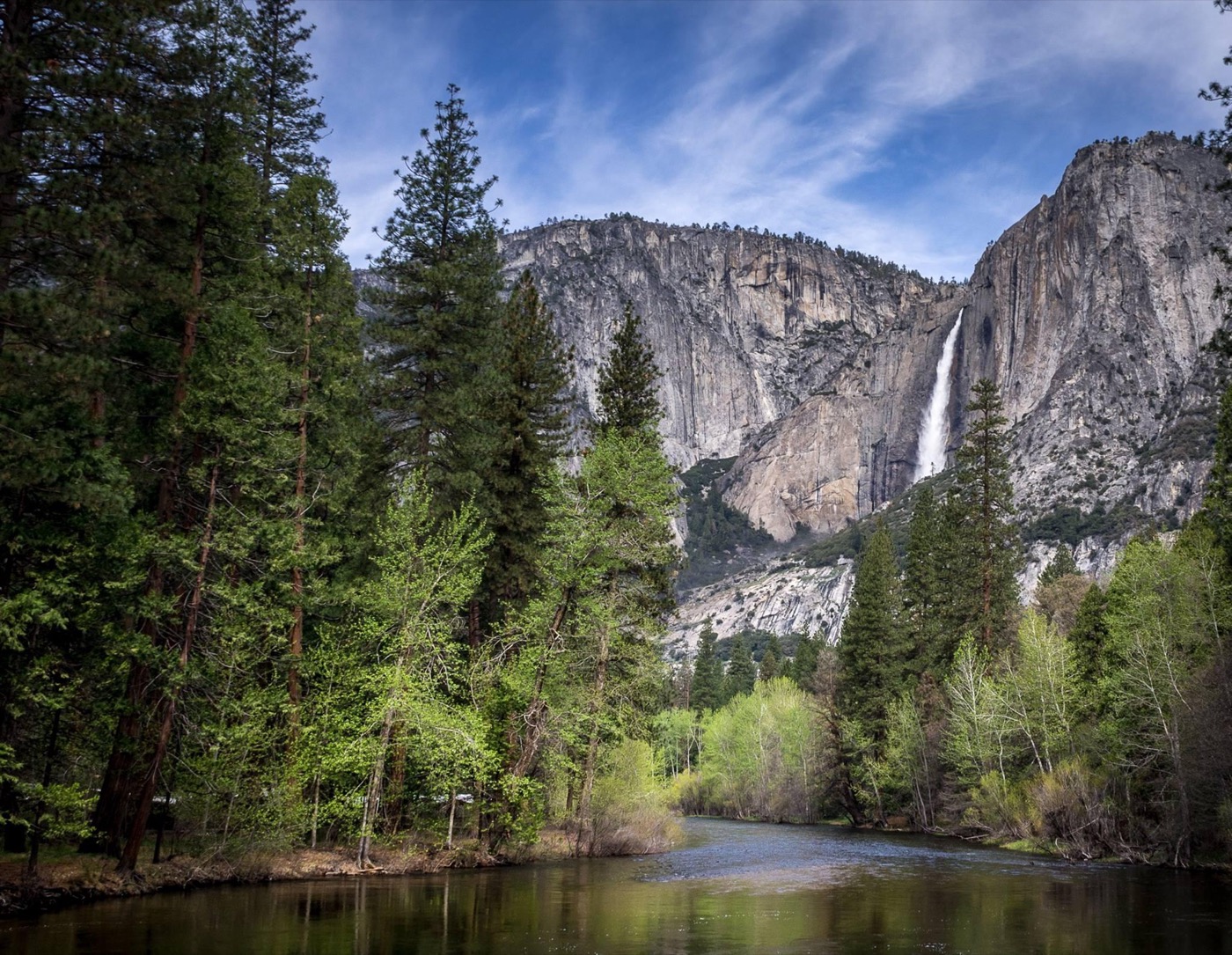
Gateway towns, ranked by what you're trading
Each entrance has its own town, and the right one depends on which gate you'll use most.
- El Portal (Hwy 140 west): The closest non-park option to the valley, right along the Merced River. Limited but the shortest commute outside the gates.
- Mariposa (Hwy 140): A real town with grocery stores, restaurants, and a range of motels. Roughly 45 minutes to an hour from the valley. A solid, sane family pick.
- Oakhurst and Fish Camp (Hwy 41 south): Best if you want the Mariposa Grove sequoias and Badger Pass in winter. More lodging and dining in Oakhurst; Fish Camp puts you right at the south gate.
- Groveland (Hwy 120 west): Charming, good for the Big Oak Flat entrance and an easy launch point for the Tioga Road in summer. A bit farther from the valley floor.
- Lee Vining (Hwy 120 east): Only useful when Tioga Pass is open, roughly June through October. Stunning Mono Lake scenery, but you're on the far side of the high country from the valley.
Camping: the cheapest way in, if you can get a site
Camping inside Yosemite is wonderful and competitive. Valley campgrounds release reservations on a schedule and book out in minutes. Set a reminder and treat it like buying concert tickets. Pros: you're sleeping in the park for a fraction of lodge prices, steps from trails and the river. Cons: reservations are brutal, and every campground is bear country, so food and scented items live in the metal lockers day and night.
- Valley campgrounds: Closest to the waterfalls, shuttle, and bike paths. The hardest to book and the busiest.
- Crane Flat and Hodgdon Meadow: Higher up near the Hwy 120 entrance, cooler, and a bit easier to land. Add 30 to 45 minutes to reach the valley.
- Tioga Road campgrounds (Tuolumne Meadows, Tenaya Lake area): High-country camping with cooler nights and access to spots like Tenaya Lake. Summer only, since the Tioga Road typically opens late May or early June.
- Outside the park: National forest and private campgrounds near the gateway towns are far easier to reserve and a reliable fallback when in-park sites are gone.
So where should you actually stay?
If you can book early and the budget allows, sleep in Yosemite Valley. The saved drive time is the whole game with kids. If the valley is full or too pricey, base in Mariposa or El Portal on Highway 140 for the shortest commute. Coming mainly for the giant sequoias, choose Wawona-area lodging or Oakhurst on Highway 41. And if you're chasing Tioga Road and Tenaya Lake in summer, a high-country campground or Lee Vining puts you closest. Whatever you pick, enter early; mornings are calmer and the light on the granite is better anyway.
Planning the trip? Nestward builds a day-by-day plan in minutes, free, no subscription. See how it works →