 Nestward
Is Yosemite Dog-Friendly?
A straight answer on where dogs can and can't go in the park.
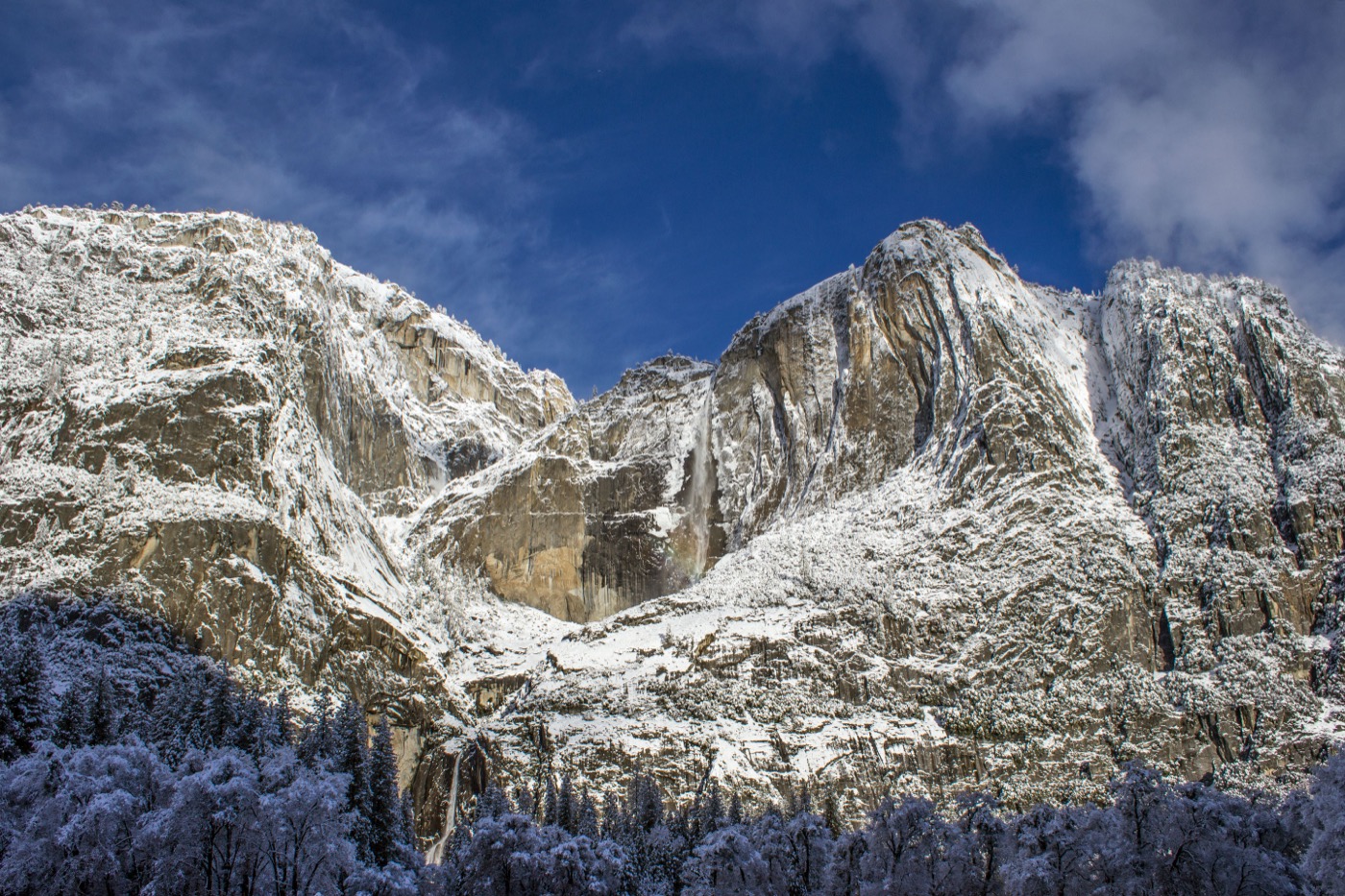
Short version: Yosemite allows leashed dogs, but only in developed, paved areas, not on the trails, not in the wilderness, and not in the spots most people drive hours to see. It's one of the more dog-tolerant big parks, yet "dog-friendly" still oversells it. Here's exactly where your dog fits and where it doesn't.
The actual rule
Yosemite is best known for its waterfalls, but across its nearly 1,200 square miles you'll find deep valleys, grand meadows, ancient giant sequoias, and a vast wilderness area. Almost none of that is open to dogs. Pets are allowed only in developed areas, and the policy is specific:
- Dogs must be on a leash no longer than six feet and never left unattended.
- They are allowed on paved roads, sidewalks, and bicycle paths, but not where signs prohibit them.
- They're welcome in most campgrounds (developed sites, not walk-in or group sites) and in some parking areas.
- You are responsible for cleaning up after them, everywhere.
What that adds up to: dogs are banned from all unpaved and poorly paved trails, the entire wilderness, the Mariposa Grove of giant sequoias, and inside any shuttle bus or public building. If a path leads somewhere scenic and isn't paved, assume your dog can't go.
Where a dog actually works
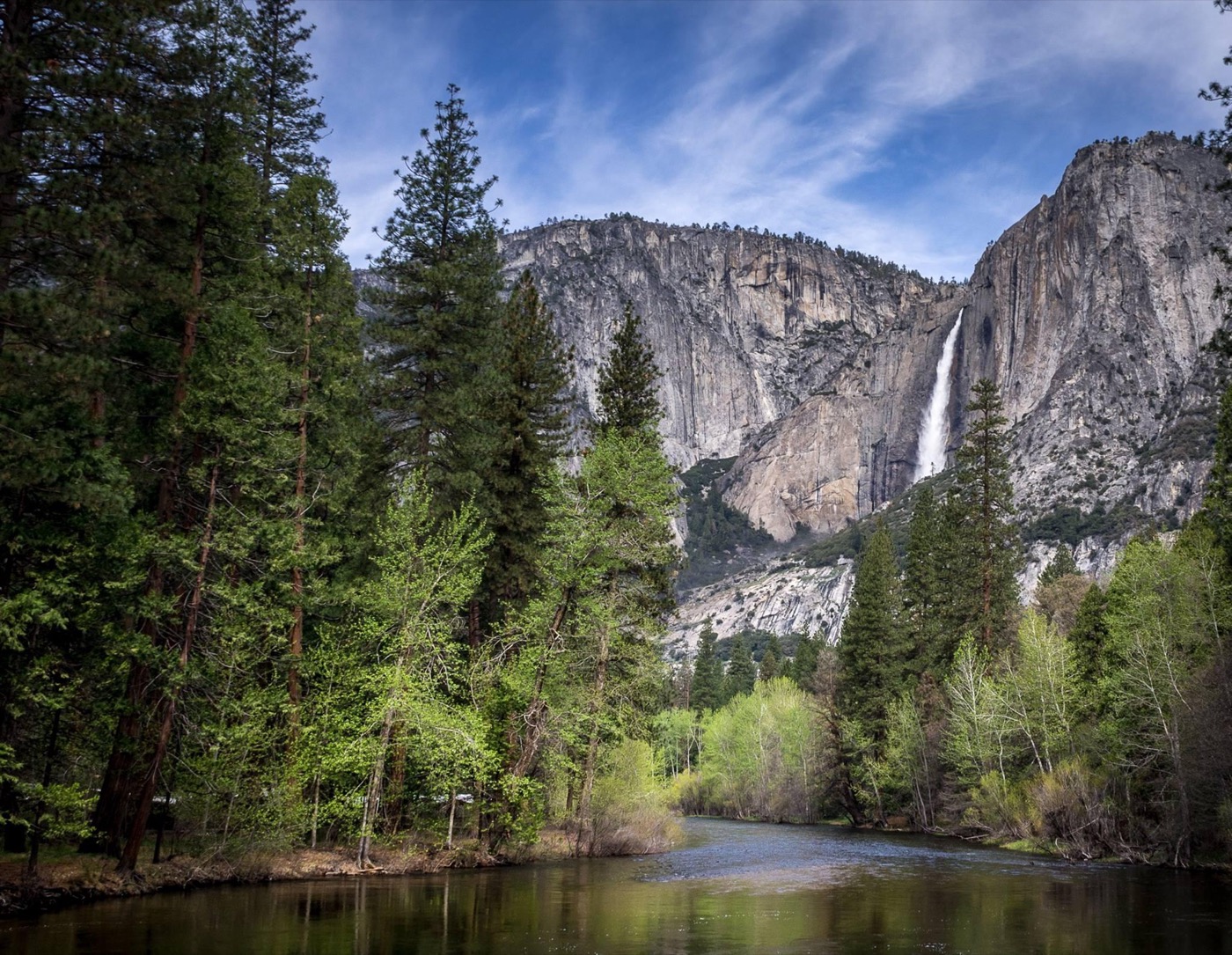
The bright spot is Yosemite Valley. The mostly flat, paved valley loop and bike paths are dog-legal, and they happen to pass under some of the park's headline scenery. From the paved paths you can take in El Capitan, which rises over 3,000 feet above the valley floor, and get long views of Half Dome, one of the most recognizable granite formations in the world. The paved stretch toward Lower Yosemite Fall is a popular, easy walk, and dogs are allowed on the paved portion, which gets you close to the base in spring when the fall is roaring.
So a leashed dog can genuinely share a Yosemite Valley day: paved riverside paths along the Merced, the bike loop, and your campground. That's a real walk in a spectacular place. It just isn't a hike.
What your dog will miss
Be honest with yourself about the trade-off. The things most visitors come for are off-limits with a dog:
- Hiking in Yosemite: the trails to the falls' upper viewpoints, valley rim, and high country are all closed to pets.
- The Mariposa Grove: about 500 mature giant sequoias, and no dogs past the parking area.
- Scenic driving on the Tioga Road: you can drive it with a dog in the car, but the stops worth making (Tenaya Lake, the meadows, any trailhead) keep dogs in the parking lot.
- The wilderness and backcountry: entirely off-limits.
If your trip is built around hiking, the most practical move is a kennel day. Boarding is available near the park, and many gateway towns have day options.
Best time to bring a dog
The park is open 24 hours a day, year-round, and you can drive in via Highways 41, 140, and 120 from the west in any season. Tioga Pass (Highway 120 from the east) closes from roughly November through late May or June. For a dog-centered visit, late spring is the sweet spot: the paved valley paths are snow-free, the waterfalls are at full flow, and the valley floor sits around 4,000 feet, so summer heat is manageable but not punishing. Avoid the deep-summer midday crowds and pavement heat, and never leave a dog in a parked car. Bears aside, valley pavement bakes.
One more planning note: dogs aren't allowed on the free shuttle buses, so in summer, when valley parking fills early, having a leashed dog means you're walking or biking from wherever you park. Arrive early.
So, is it dog-friendly?
Tolerant, not friendly. Compared with most national parks (which restrict dogs to roads, paved areas, and campgrounds, and Yosemite is squarely in that camp), Yosemite gives you an unusually scenic set of paved paths to use. A relaxed valley day with a leashed dog is genuinely pleasant. But if your idea of Yosemite is trails, sequoias, and the high country, leave the dog at home or board it locally. Entrance is $35 per vehicle for seven days, and that fee buys the same park whether or not the dog comes, so plan the days around where it can actually be.
Planning the real thing? Nestward builds a day-by-day plan for this park in minutes, free, no subscription. See how it works →