 Nestward
The Best Time to Visit Yosemite
A month-by-month read on crowds, weather, and what's actually open.
Yosemite is two completely different parks depending on when you show up. Come in May and the waterfalls are roaring and Tioga Road is still buried in snow. Come in September and the falls are a trickle but the high country is wide open. Here's how the year actually plays out, so you can match the trip to what your family wants to see.
The short version
If you only remember one thing: waterfalls peak in spring (April–June), the high country opens in summer, and the smallest crowds come in fall and winter. Yosemite gets about 95% of its precipitation between October and May, and most of the park stays snow-covered from roughly November through May. That single fact drives almost everything below.
The other thing worth knowing up front: the famous Tioga Road, the 46-mile drive over the Sierra crest, is closed from around November until late May or June. If your plans involve Tuolumne Meadows, Tenaya Lake, or the eastern entrance, summer is your only real window.
Spring (March–May): waterfall season
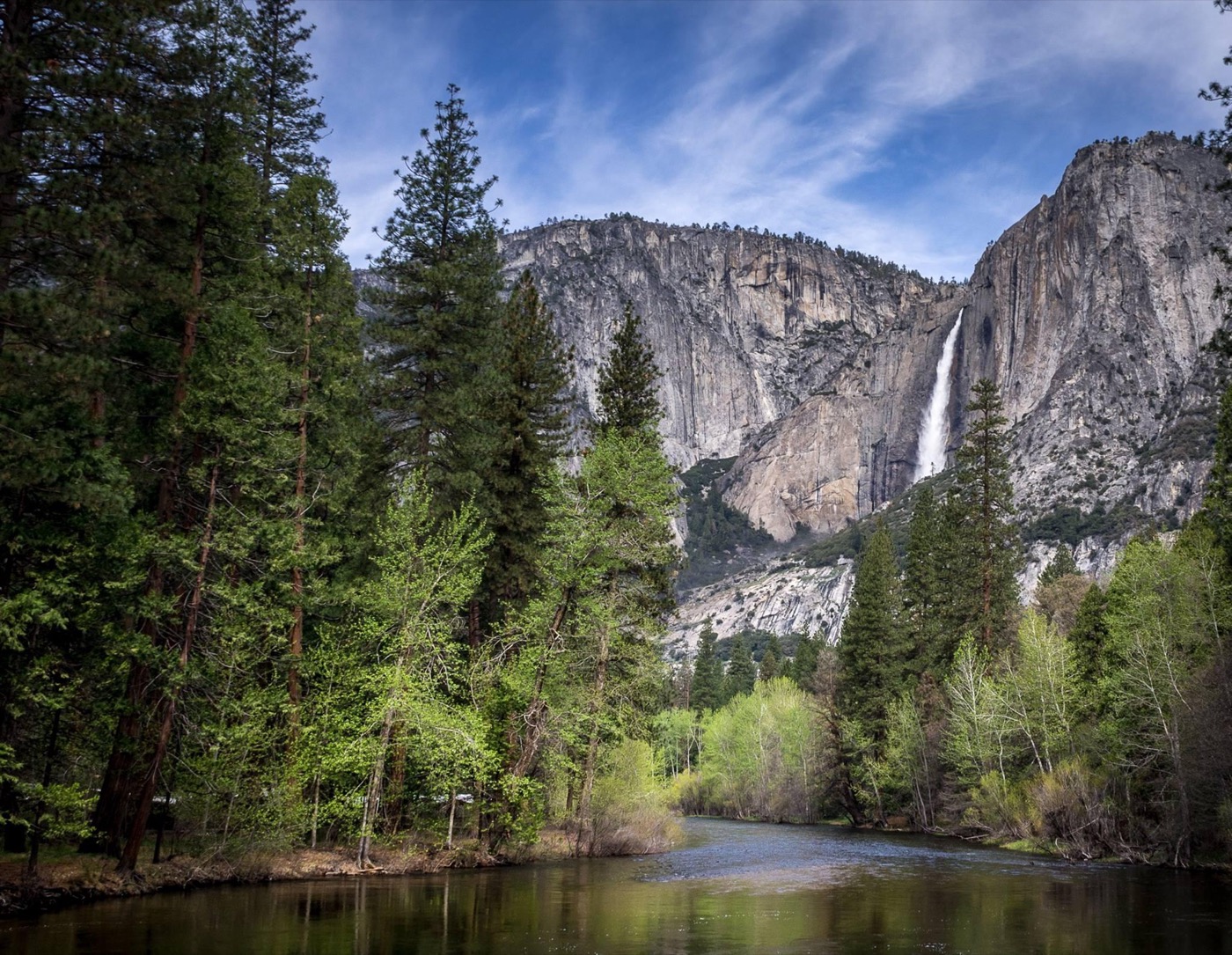
This is when Yosemite Valley shows off. Snowmelt feeds the falls, and Lower Yosemite Fall, Bridalveil, and the upper falls run hard. The downside is mud, the occasional late-season storm, and a Valley that can feel crowded on warm weekends even before summer officially starts.
- March: Quiet, cold, unpredictable. Snow is still possible in the Valley. Good for solitude, risky for plans.
- April–May: The sweet spot for waterfalls. Days warm up, the falls are at full volume, and meadows green out. Tioga Road and Glacier Point Road are still closed.
Kid note: the spray off the falls is a genuine highlight in spring. Pack a rain layer for the lower trails and expect everyone to get a little wet.
Summer (June–August): everything open, everyone here
Summer is the only season when the whole park is accessible. Tioga Road opens (usually late May or June), giving you scenic driving over the high country, Tenaya Lake, and access to the Mariposa Grove of giant sequoias without snow on the trails. Hiking, rock climbing, and biking on the Valley paths are all in full swing.
The trade-off is people. July and August are the busiest months by a wide margin, and the Valley parking lots fill early. Check the park website before you go, since Yosemite has used timed-entry reservations during peak periods in recent years and the rules change year to year.
- Go early. Be at a trailhead or parking area before 9 a.m. and the day feels twice as relaxed.
- Use the free Valley shuttle instead of fighting for parking.
- The high country (think Tuolumne) is cooler and far less crowded than the Valley floor. Drive up.
Fall (September–October): the quiet sweet spot
If you can travel after Labor Day, do it. Crowds thin out, temperatures are pleasant, and the high country is still open before the snow returns. The catch is the waterfalls: by late summer Yosemite Falls can slow to a trickle or dry up entirely, so this is a season for granite, sequoias, and golden light rather than roaring water.
October is a gamble in the best way. Most days are crisp and clear, but the first serious storm can close Tioga Road for the winter with little warning. Have a Valley-based backup plan.
Winter (November–February): snow, fewer people, partial access
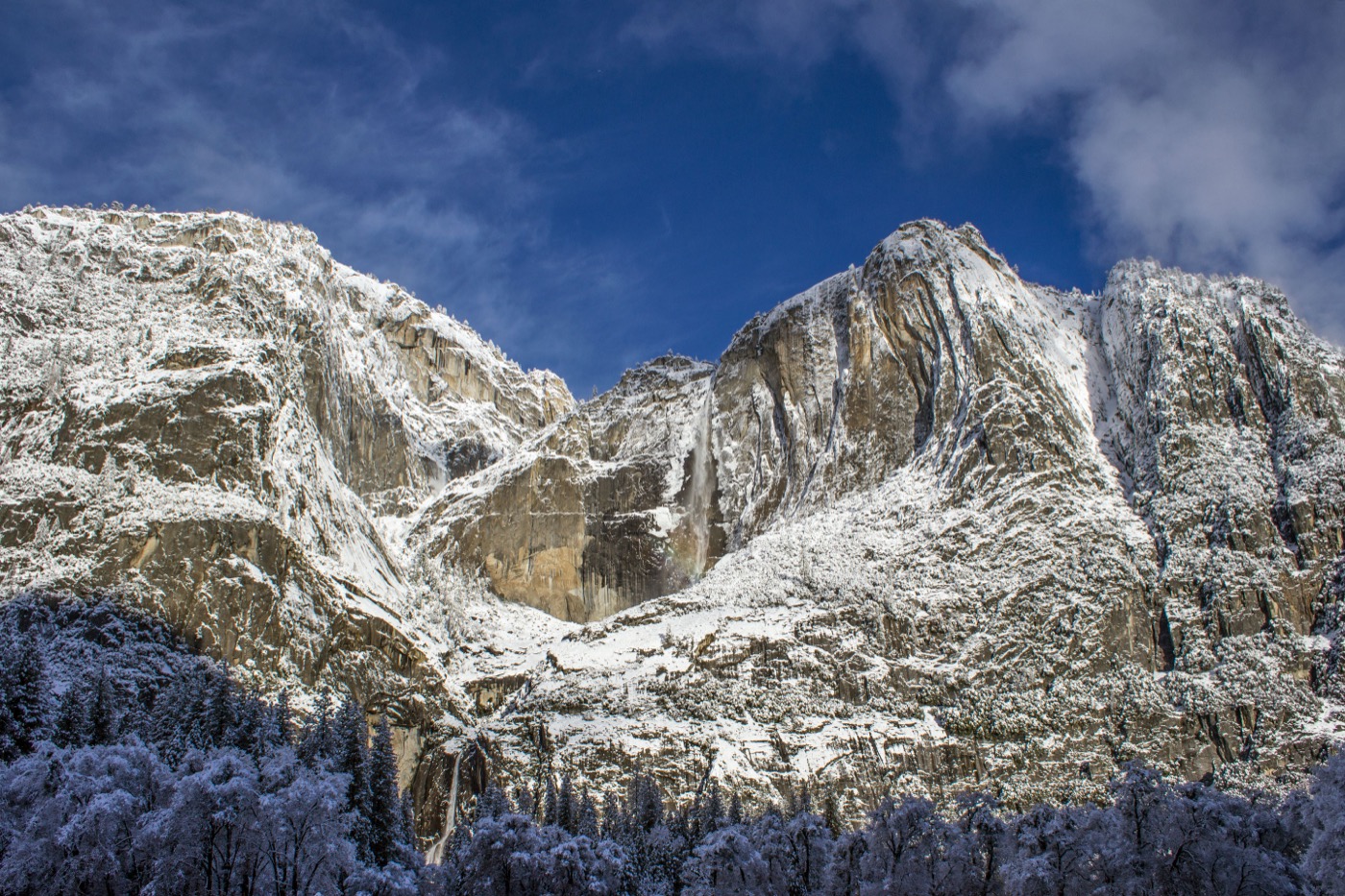
Winter Yosemite is gorgeous and genuinely uncrowded, with snow-dusted views from Tunnel View and a calm Valley. You can still drive in year-round via Highways 41, 140, and 120 from the west, but tire chains are often required and Tioga and Glacier Point roads are closed.
- Badger Pass ski area is the family-friendly winter draw, with downhill skiing, snowshoeing, and snow play when conditions allow.
- The Junior Ranger program, the Yosemite Museum, and the Yosemite Exploration Center give you indoor and low-effort options on cold days.
- Bring chains, check road conditions the morning you drive, and don't trust GPS for in-park navigation.
So when should your family go?
For waterfalls and green meadows, aim for late April through early June. For the full park and warm-weather hikes, accept the crowds and come in summer, going early each day. For the best balance of weather, open roads, and breathing room, September is hard to beat. And if you want quiet and snow over crowds and water, winter delivers, just plan around the closures.
Planning the trip? Nestward builds a day-by-day plan in minutes, free, no subscription. See how it works →