 Nestward
Where to Stay Near the Great Smoky Mountains
Picking the right gateway town saves you an hour of driving every day.
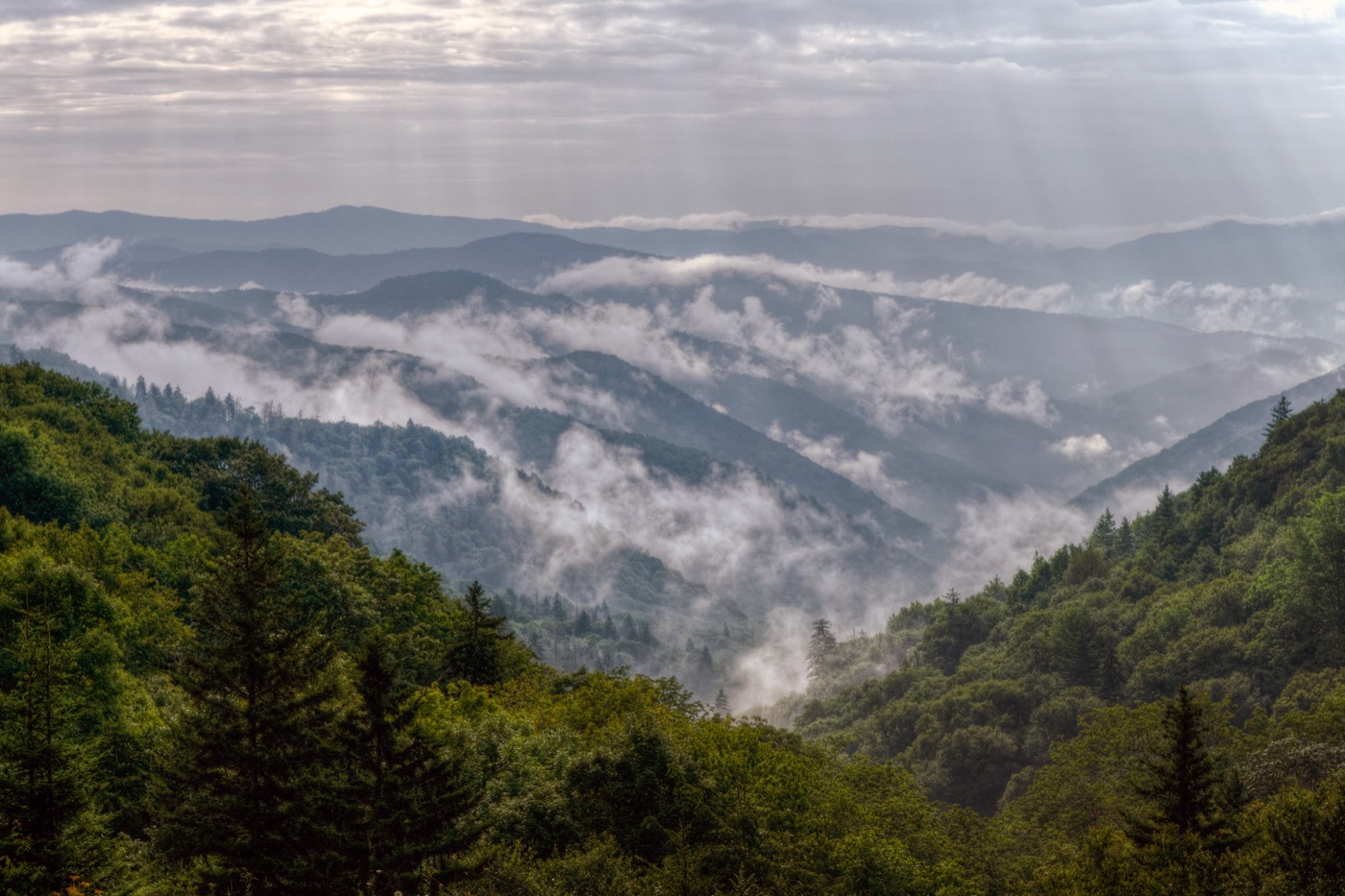
Great Smoky Mountains is the most visited national park in the country, and it straddles the North Carolina and Tennessee line, so "where to stay" really means "which side, and how close to the chaos." There are no hotels inside the park (your only in-park option is a tent or RV), so the real decision is which gateway town you base in. Here's the breakdown.
Gatlinburg, TN: closest and busiest
Gatlinburg is the park's main entrance and the default for a reason: you can walk or take a free shuttle to the Sugarlands Visitor Center, and you're a few minutes from the start of Newfound Gap Road. The Gatlinburg Trail is one of the only trails in the park you can hike straight from town, and it's flat enough for little kids.
- Pros: Closest to the action, tons of lodging at every price, and walkable shops and restaurants for tired-kid evenings.
- Cons: It's a wall-to-wall tourist strip: think pancake houses, Ripley's, and traffic that crawls on weekends. Parking in town is a hassle. If you want quiet, this isn't it.
Pigeon Forge, ten minutes north, is more of the same with Dollywood attached: cheaper rooms, even more traffic, and a longer crawl to the park gate.
Townsend, TN: the "quiet side"
Townsend bills itself as the peaceful side of the Smokies, and it earns it. It's the gateway closest to Cades Cove, the park's most popular valley, and to the Foothills Parkway, a genuinely stunning scenic drive with almost no crowds. The Cable Mill area and the loop's historic churches and homesteads are a short drive in.
- Pros: Calm, scenic, riverfront cabins, and the fastest access to Cades Cove. Tubing on the Little River keeps kids busy on hot afternoons.
- Cons: Fewer restaurants and far less to do at night. You'll drive into Gatlinburg or Pigeon Forge for variety. The Cades Cove loop itself backs up badly in summer and fall.
Cherokee, NC: the North Carolina base
If you're coming from the east or want the Carolina side, Cherokee sits at the park's southern entrance on the Cherokee (Eastern Band) reservation. It puts you closest to Smokemont Campground, the Smokemont Nature Trail, and the Blue Ridge Parkway, which begins right here. The drive up to Charlies Bunion and Newfound Gap is gorgeous from this direction.
- Pros: Quieter than the Tennessee towns, real cultural depth (the Museum of the Cherokee Indian is worth a stop), and easy access to the NC trails and the Parkway.
- Cons: Farther from Cades Cove and the Gatlinburg attractions. Harrah's casino anchors the town, so the vibe is less "mountain village." Fewer family lodging options than the TN side.
Camping inside the park
The only way to sleep inside the boundary is at a developed campground, and they're a great deal if you don't mind no hookups, no showers, and reserving early. Front-country options include Cades Cove and Elkmont on the Tennessee side and Smokemont on the North Carolina side. Smokemont is the trailhead for both the Bradley Fork and the easy nature trail.
- Pros: You wake up in the park, the night sky is excellent for stargazing, and sites cost a fraction of a hotel.
- Cons: No electric or water hookups at most sites, vault or basic restrooms, and it's bear country, so strict food storage rules apply. Popular dates sell out months ahead on Recreation.gov.
So which one?
For a first family trip with young kids, base in Townsend for the calm and the Cades Cove access, or Gatlinburg if you want walkable dinners and don't mind crowds. Choose Cherokee if you're arriving from the east or want the Blue Ridge Parkway and a quieter feel. Camp inside the park only if you've booked early and you're set up for primitive sites. Whatever you pick, remember the park is huge. Driving from Gatlinburg to Cades Cove can take an hour with traffic, so let your base match where you'll actually spend your days.
Planning the trip? Nestward builds a day-by-day plan in minutes, free, no subscription. See how it works →