 Nestward
The Best Easy Hikes in the Great Smoky Mountains
Short walks with big payoffs: distances, difficulty, and where to start.
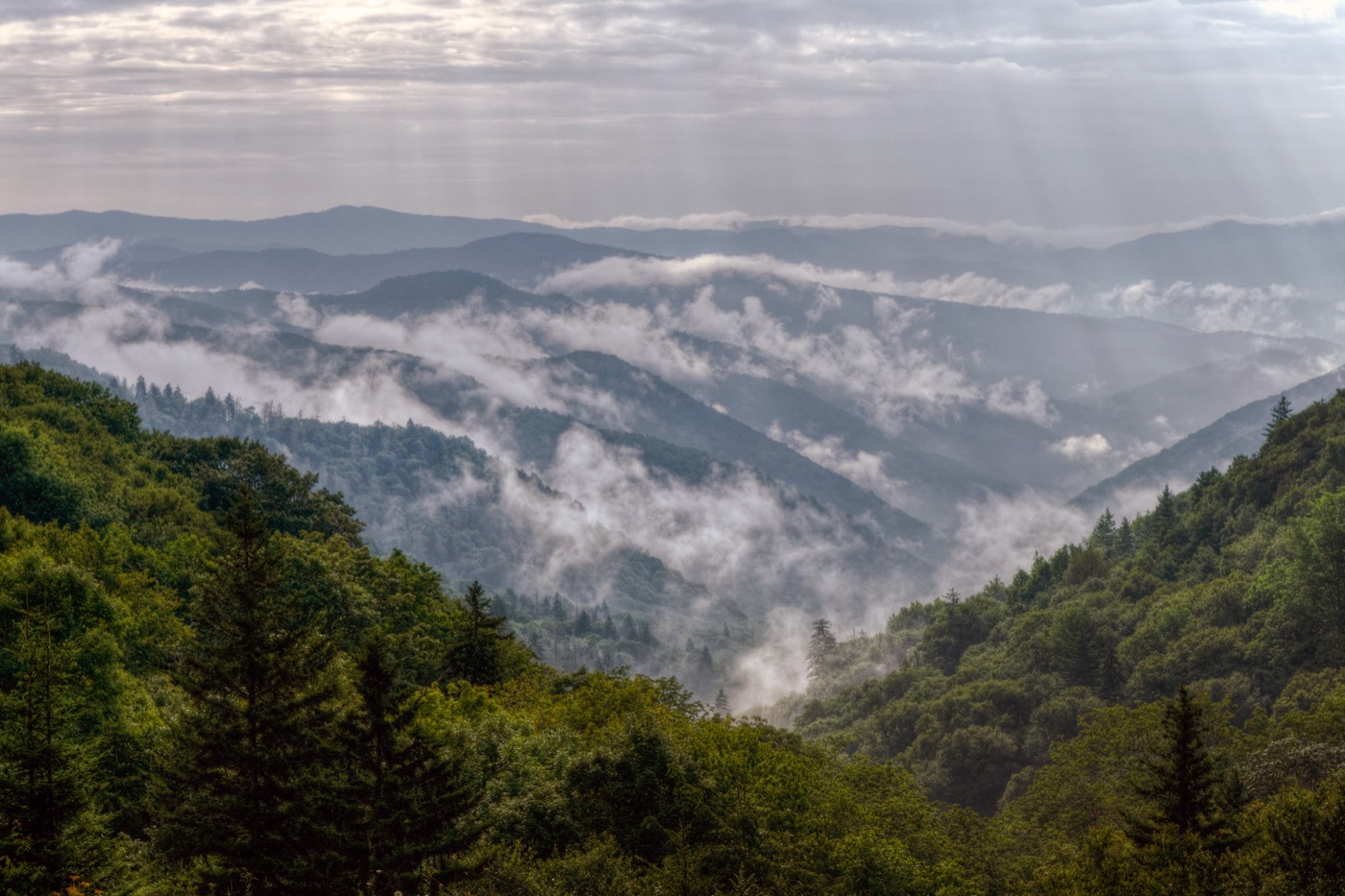
The Smokies straddle the North Carolina–Tennessee line and pull in more visitors than any other national park in the country, which means the famous trailheads fill up fast. The good news: some of the best short hikes here are riverside strolls and old-growth loops you can finish before lunch. Below are the easy ones actually worth your time, with real distances so you can match them to your legs and your kids.
The truly short ones (under a mile)
If you want maximum forest for minimal effort, start with these two self-guided nature trails. Both are loops, both are gentle, and both are great for a first taste of the Smokies' famous biodiversity.
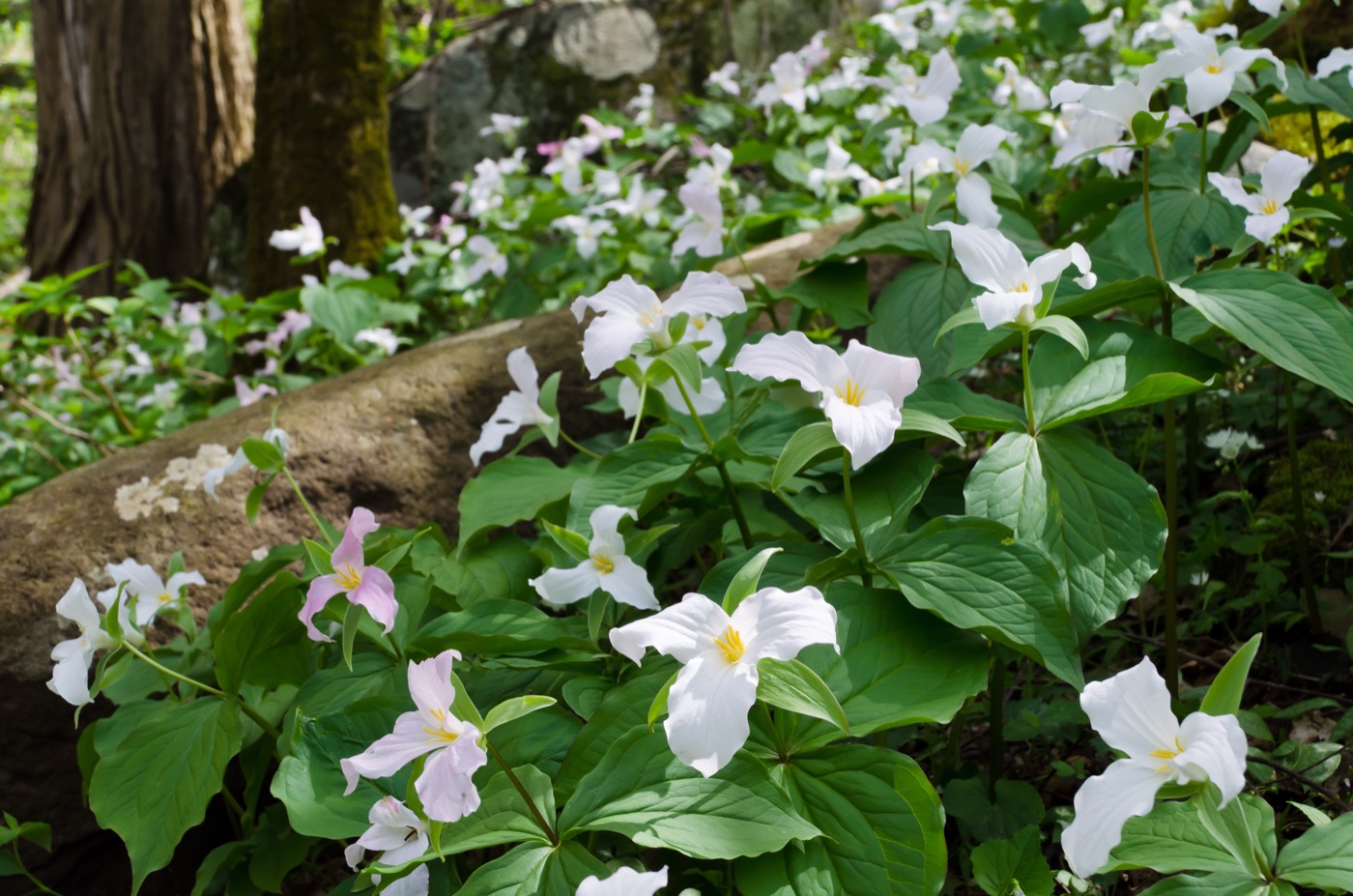
- Cove Hardwood Nature Trail: 0.75 miles roundtrip. A short loop that winds through one of the finest stands of old-growth cove hardwood forest in the park. It climbs a bit, but it's the kind of place where you crane your neck at genuinely enormous trees. Best in spring for wildflowers.
- Smokemont Nature Trail: 0.62 miles roundtrip. A quiet, easy loop on the North Carolina (Cherokee) side near Smokemont Campground, with views of the surrounding peaks. A good leg-stretcher if you're entering from the Cherokee side.
These are ideal "we just got here and the kids need to move" hikes. Twenty minutes, no real elevation drama, and a payoff that feels bigger than the distance.
The easy riverside walks (mostly flat)
The Smokies are a rainforest by Eastern standards: abundant rain means rushing streams everywhere, and the flattest, friendliest trails tend to follow the water along old railroad grades.
- Gatlinburg Trail: about 4 miles roundtrip. A riverside stroll through cove hardwood forest connecting Sugarlands Visitor Center to Gatlinburg. It's nearly flat, includes some sidewalk and roadside sections, and (importantly) it's one of only two trails in the entire park where dogs and bikes are allowed. More on that below.
- Little River Trail: turn around whenever you like. Once a railroad bed in the historic Elkmont area, this trail now follows the river's gentle flow past remnants of the old Elkmont community. The grade is so mild you barely notice it climbing. Go as far as you want and double back.
- Bradley Fork Trail: starts in Smokemont Campground. The full trail runs 7.3 miles to Hughes Ridge, but you don't have to commit. The first stretch along the creek (picturesque cascades, seasonal wildflowers) makes a lovely out-and-back at whatever distance suits your group.
An easy hike with a history payoff
If your crew likes a destination, this one delivers a story at the end.
- Little Greenbrier School and Walker Homesite: 3.4 miles roundtrip from the Metcalf Bottoms Picnic Area. The trail rolls through hardwood forest to the preserved one-room Little Greenbrier schoolhouse and the historic Walker family homesite, plus old stonework along the way. It's moderate rather than flat, but it's a manageable half-day with a real reward: a glimpse of Southern Appalachian mountain life before the park existed.
Kid-pacing note: budget extra time at the school and homesite. The walking is the means; the old buildings are the thing kids actually remember.
A word on dogs
The Smokies are not a dog-friendly hiking park, and it's better to know that before you load the car. Pets are banned from nearly every trail to protect wildlife. The two exceptions are the Gatlinburg Trail and the Oconaluftee River Trail. Leashed dogs are welcome there, and nowhere else on the trails. Everywhere else, dogs are limited to roads, campgrounds, picnic areas, and paved shoulders. If you're traveling with a dog, plan around those two trails and don't expect to bring them up to Charlies Bunion.
Logistics worth knowing
- No entrance fee, but you need a parking tag. The park charges no entrance fee, but vehicles parked longer than 15 minutes need a paid parking tag. Buy one online or at a visitor center before you go.
- Beat the crowds with timing. This is America's busiest national park. Morning is your friend. Popular lots like Newfound Gap and Cades Cove fill early, and fall leaf season is the busiest stretch of all.
- Weather changes with elevation. The park climbs from about 875 feet to 6,643 feet, and temperatures can swing 10–20°F from base to summit. Clear skies in Gatlinburg don't mean clear skies up high. Pack a layer even for an easy hike.
- Three main entrances: Gatlinburg, TN; Townsend, TN; and Cherokee, NC. Pick the one closest to the trails you want; the easy hikes above are spread across all three sides.
Planning the real thing? Nestward builds a day-by-day plan for this park in minutes, free with no subscription. See how it works →