 Nestward
The Best Time to Visit the Great Smoky Mountains
A month-by-month look at crowds, weather, and what's actually open.
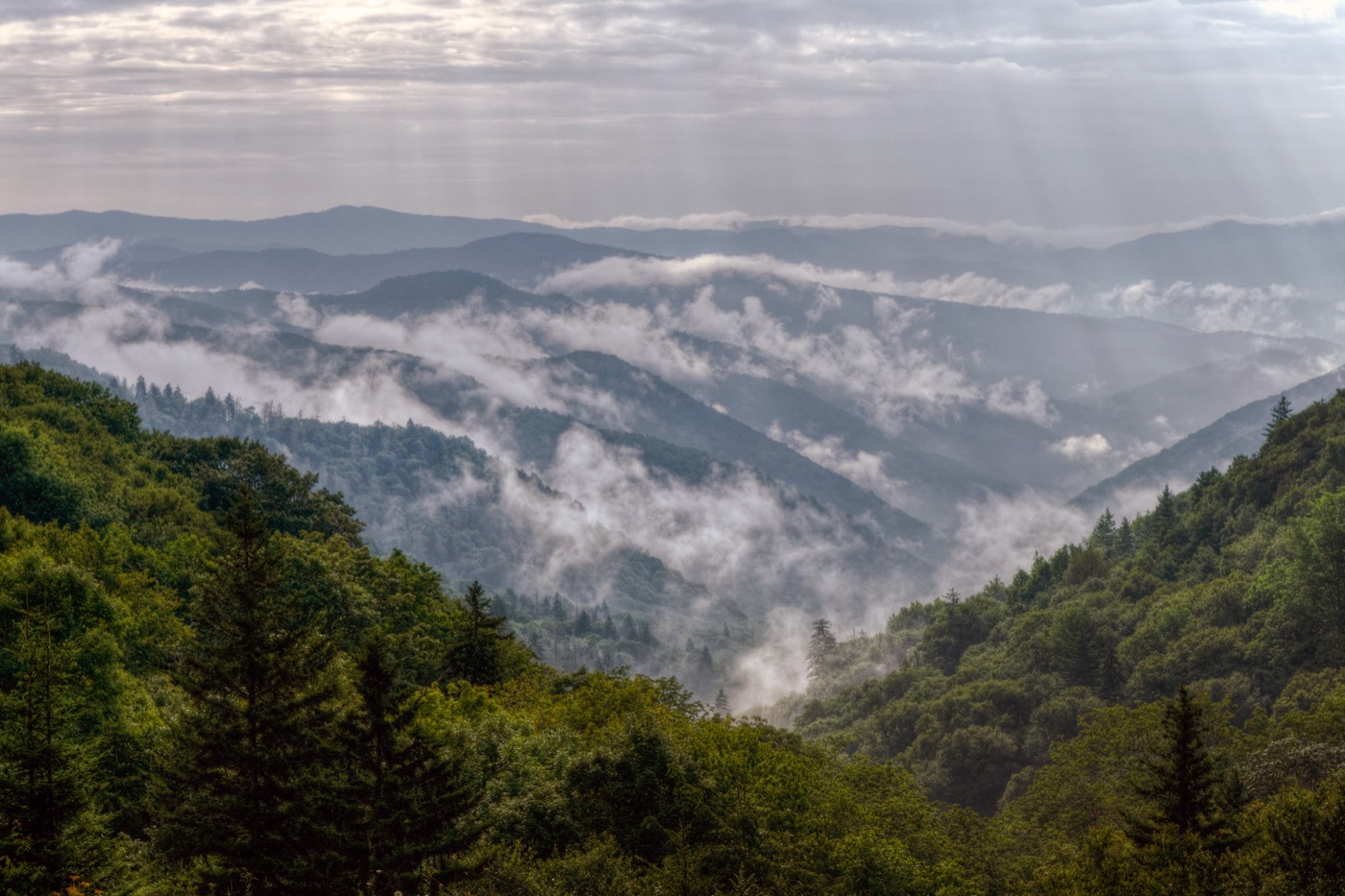
The Smokies straddle the North Carolina and Tennessee border, and they are the most visited national park in America, which is both the appeal and the catch. The mountains are gorgeous year-round, but October traffic on Newfound Gap Road can crawl, and a January cold snap can close the high roads entirely. Here's how the year actually breaks down so you can pick the trip you want.
The short answer
If you want the best balance of good weather and bearable crowds, aim for late April through May or mid-September through early October. Spring brings the wildflower bloom the park is famous for; early fall gives you crisp mornings before the leaf-peeper crush peaks. July and the last two weeks of October are the most crowded stretches by a wide margin. Winter is quiet and beautiful but unpredictable. More on that below.
Spring (March–May): wildflowers and unsettled weather
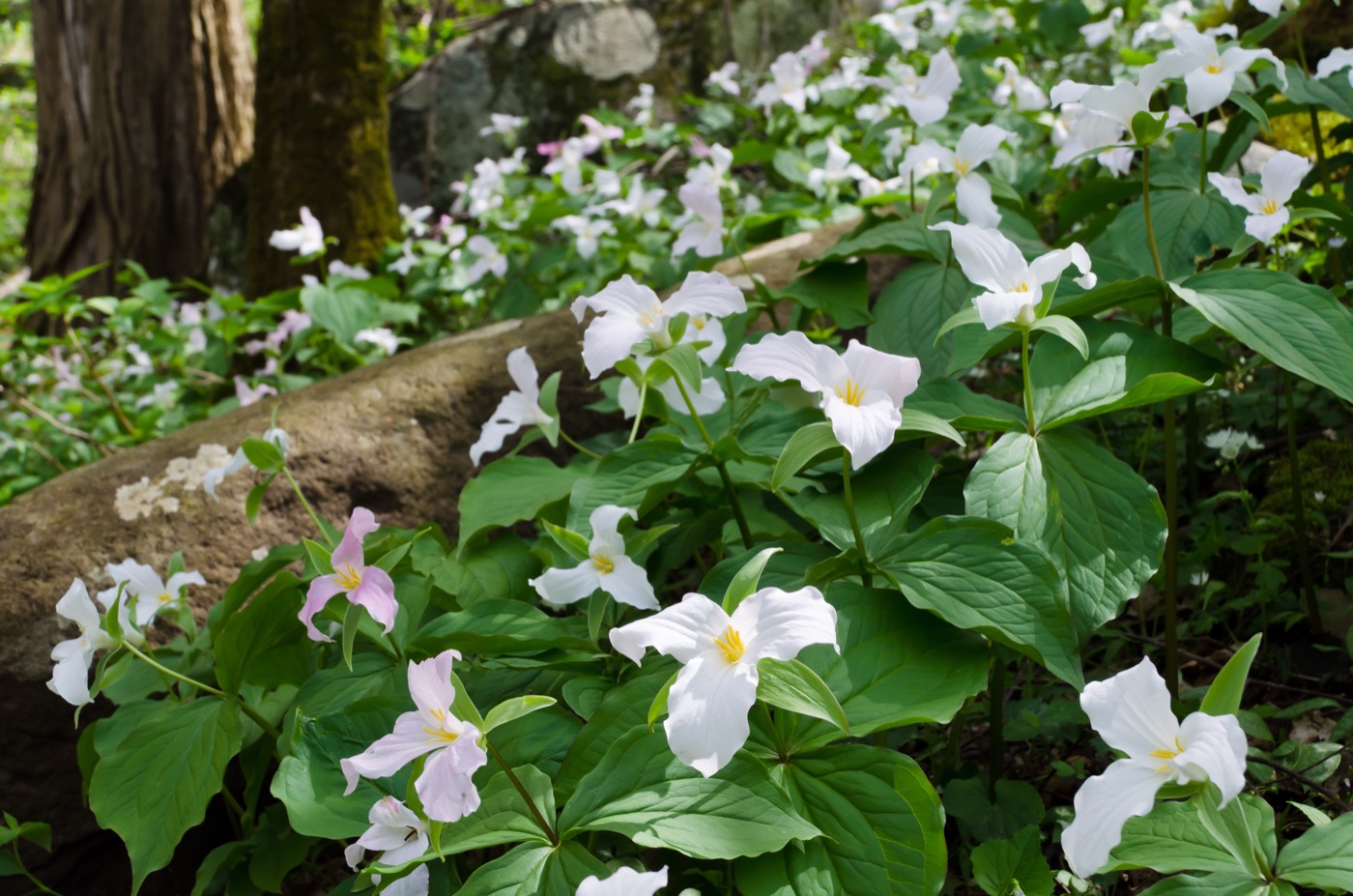
Spring is the park's quiet superpower. The Smokies are nicknamed the "Wildflower National Park," and trillium, violets, and ephemerals carpet the lower forests from roughly March into May. The short Cove Hardwood nature trail near Chimneys Picnic Area is one of the best wildflower walks in the country during peak bloom.
- March is shoulder-season cheap and uncrowded, but genuinely moody: lower elevations may be mild while snow still rules the ridgetops. Pack layers and check road status.
- April warms up and the bloom builds. Crowds are light midweek.
- May is arguably the sweet spot: full green-up, comfortable hiking temps, and far fewer people than summer. Streams run high and loud after spring rain, and the cascades along Little River Trail are at their best.
Summer (June–August): green, humid, and busy
Summer is peak season for families because school is out, and the park feels it. Expect full parking lots at popular spots by mid-morning and warm, sticky afternoons in the lowlands. The trade-off: the high country stays noticeably cooler. Temperatures can swing 10–20°F from mountain base to summit, so a drive up to Newfound Gap or a hike toward Charlies Bunion is a reliable way to escape the heat.
- Afternoon thunderstorms are common; start hikes early and get off exposed ridges by early afternoon.
- Cades Cove draws huge crowds. The 11-mile loop can take hours by car in summer. Go at opening, or bike it on a vehicle-free morning.
- Synchronous fireflies put on their famous early-June show near Elkmont; access is by lottery permit only, so plan well ahead.
Fall (September–November): the colors and the crowds
Fall color is the single biggest reason people visit, and it's worth it, but timing and patience matter. Because elevations range from about 875 to 6,643 feet, the color rolls downhill over weeks: high-elevation reds and golds peak in early-to-mid October, while the foothills can hold leaves into early November.
- Early-to-mid September is underrated: pleasant, far less crowded, and a good window for the Foothills Parkway drives without bumper-to-bumper traffic.
- Mid-to-late October is spectacular and packed. Weekend traffic on Newfound Gap Road and into Cades Cove can be bumper-to-bumper. If you come now, go midweek and start at dawn.
- November empties out fast after the leaves drop. Crisp, quiet, and great for valley walks like the Gatlinburg Trail.
Winter (December–February): quiet, with an asterisk
Winter is the Smokies at their most peaceful: frosty mornings in Cades Cove, bare-tree views you never get in summer, and almost no one around. The catch is access. Primary roads (Newfound Gap Road, Little River Road, Laurel Creek Road) stay open 24/7 year-round weather permitting, but snow and ice routinely close the high stretches with little notice. Secondary roads close seasonally.
- Always check the park's road status before you drive up. Clear skies in Gatlinburg don't mean clear roads at Newfound Gap.
- Higher elevations get periodic snow; carry chains or come prepared to turn around.
- Crowds are minimal, lodging in gateway towns is cheapest, and historic sites like Little Greenbrier School and the Cable Mill area feel like you have them to yourself.
Planning the trip? Nestward builds a day-by-day plan in minutes, free, no subscription. See how it works →