 Nestward
Where to Stay Near Death Valley
A clear look at in-park lodges, gateway towns, and campgrounds.
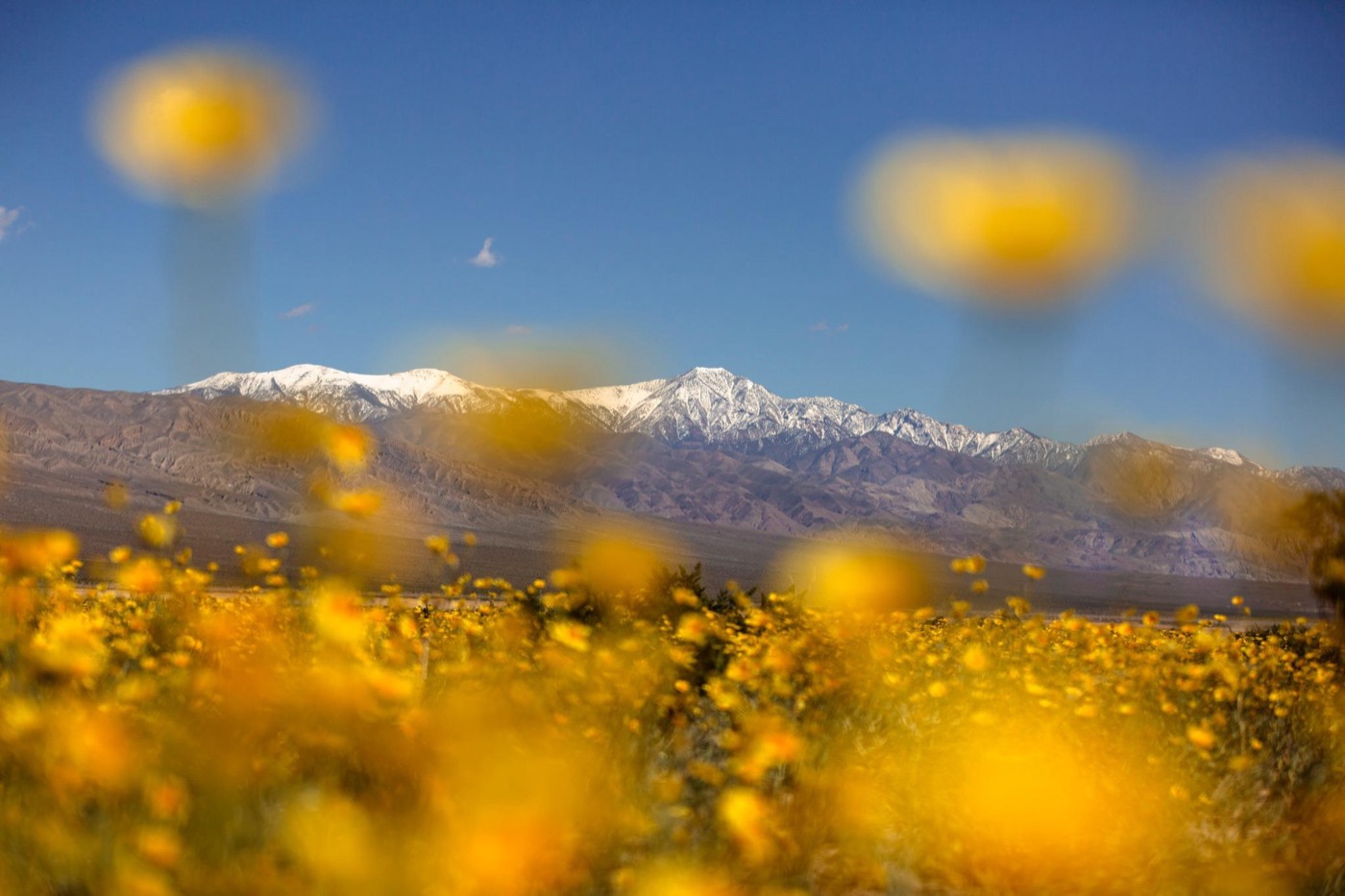
Death Valley is enormous and empty, and that shapes everything about where you sleep. The park spans California and Nevada, and once you're inside, the nearest gas station or restaurant can be an hour away. So the real question isn't "which hotel is nicest." It's "how much driving am I willing to do at the start and end of each day?"
In-park lodging: Furnace Creek and Stovepipe Wells
Staying inside the park is the most convenient option, full stop. The two clusters are at Furnace Creek and Stovepipe Wells, both along the main valley floor.
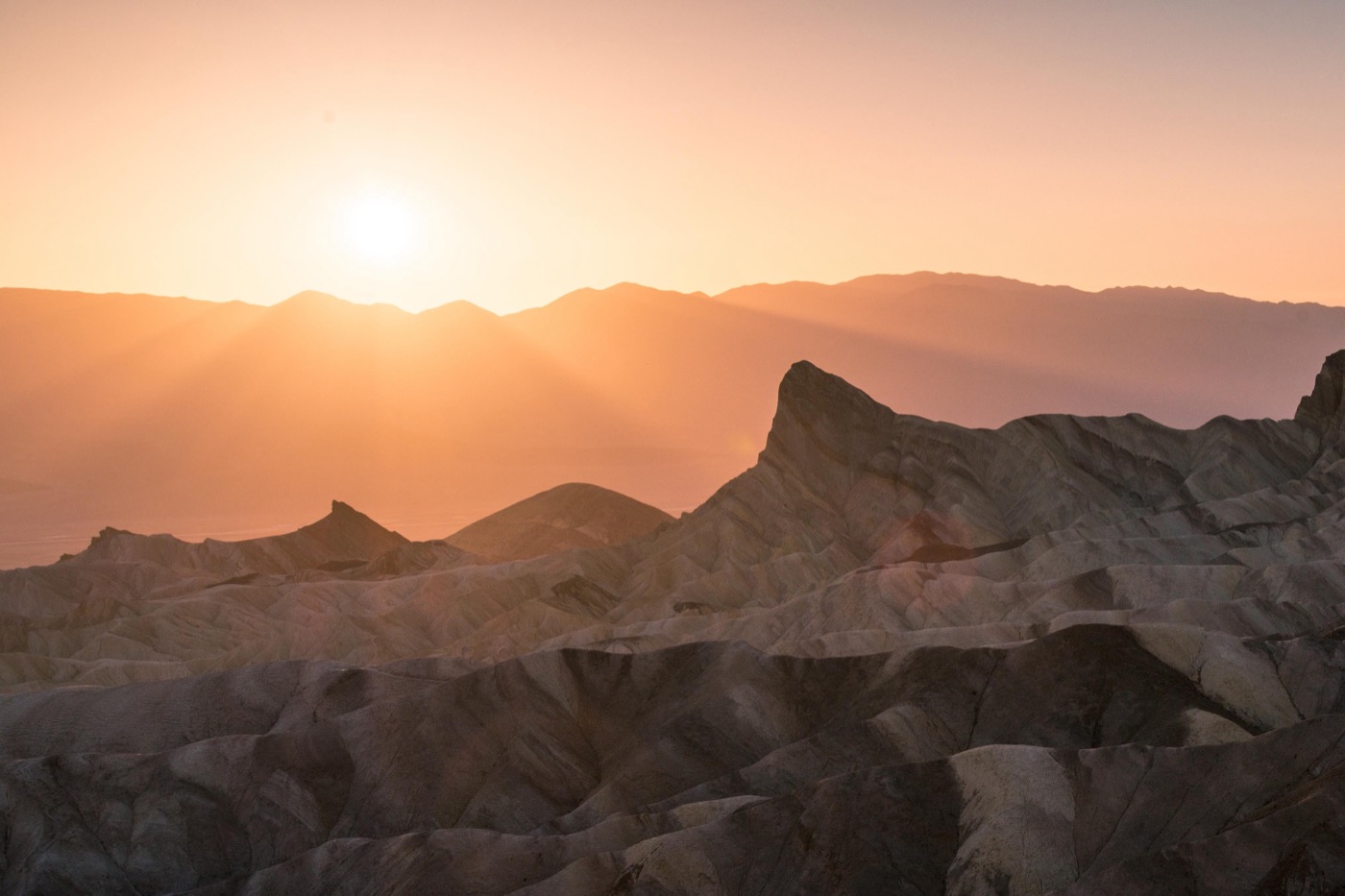
- The Oasis at Death Valley (Furnace Creek): This is the hub. The Furnace Creek Visitor Center, a general store, gas, and a couple of restaurants are all here. There's the upscale Inn (spring-fed pool, big price tag) and the more family-friendly Ranch. Big draw: you're minutes from Badwater Basin, Artists Drive, and Zabriskie Point, so you can catch sunrise without a pre-dawn marathon. Downside: it books out months ahead in spring, and prices climb to match demand.
- The Ranch at Death Valley: The family pick within the Oasis. There's a spring-fed pool, golf, and casual dining. Kids do well here because there's somewhere to burn energy after a hot day in the car.
- Stovepipe Wells Village: Simpler and usually cheaper than Furnace Creek, with a motel, a saloon-style restaurant, gas, and a small store. It sits right by Mesquite Flat Sand Dunes, which is a genuinely easy win with kids: a short walk and they're climbing dunes. Tradeoff: fewer amenities, and you're a bit farther from the southern sights.
If your trip is short or you've got young kids, pay the premium and stay in-park. The hour you save each morning is worth real money in heat and patience.
Gateway towns: cheaper beds, longer drives
If in-park rates make you wince, a handful of towns ring the park. None are charming destinations on their own, but they're functional.
- Beatty, NV (~45 min to Furnace Creek): The best all-around gateway. Casinos, motels, a few restaurants, reliable gas, and the ghost town of Rhyolite right on the doorstep. The drive in passes through Hells Gate and drops you onto the valley floor. Solid balance of price and access.
- Pahrump, NV (~60 min): The biggest town near the park, with chain hotels, grocery stores, and the most lodging variety. Good if you want a real supermarket to stock up before going in. The catch is a longer, less scenic drive to the main sights.
- Lone Pine, CA (~1.5–2 hrs): On the far west side near Mount Whitney. Lovely town, but it's a haul to the valley floor, so only base here if you're combining Death Valley with the eastern Sierra.
- Death Valley Junction, CA (~30 min): Tiny, home to the historic Amargosa Opera House. Charming and close, but very limited. Think one quirky property, not a town.
The simple math: gateway towns can cut your nightly cost in half, but you pay it back in driving, often two extra hours a day round-trip, in a park where heat and distance already eat your time.
Campgrounds: the most flexible (and most weather-dependent) option
Death Valley has a string of NPS campgrounds, and the right choice depends almost entirely on season and elevation.
- Furnace Creek Campground: The only one that takes reservations (in the busy season), and the most central. Some sites have hookups. Best base for tackling Badwater Basin and the southern loop. Books up fast for spring weekends.
- Sunset and Texas Springs (near Furnace Creek): First-come, first-served, open in the cooler months. Convenient, but no shade to speak of.
- Mesquite Spring (north): Quieter and a bit higher, near Scotty's Castle Road. A good pick if you want fewer neighbors.
- Wildrose, Thorndike, Mahogany Flat (high elevation): These sit thousands of feet up, near the Wildrose Charcoal Kilns and the trailhead for Telescope Peak. They're cooler in summer, sometimes the only bearable camping when the valley floor is brutal, but can be snowed in or closed in winter and need a higher-clearance vehicle to reach.
Rule of thumb: camp on the valley floor October through March, head for the high-elevation sites if you're crazy enough to camp here in summer, and check the NPS site for closures before you commit, as roads and campgrounds here close on short notice after storms.
So where should you actually stay?
For a first trip with family, base at The Ranch at Furnace Creek or Stovepipe Wells. The convenience genuinely matters when you're chasing sunrise at Zabriskie Point or doing the Twenty Mule Team Canyon drive and want to be back by dark. On a budget, Beatty is the sweet spot. Booking late or want a kitchen and a real grocery run? Pahrump. And if you're camping, let the thermometer decide your elevation.
Planning the trip? Nestward builds a day-by-day plan in minutes, free, no subscription. See how it works →