 Nestward
Death Valley With Kids
A family-friendly plan for the hottest, lowest, biggest park in the country.
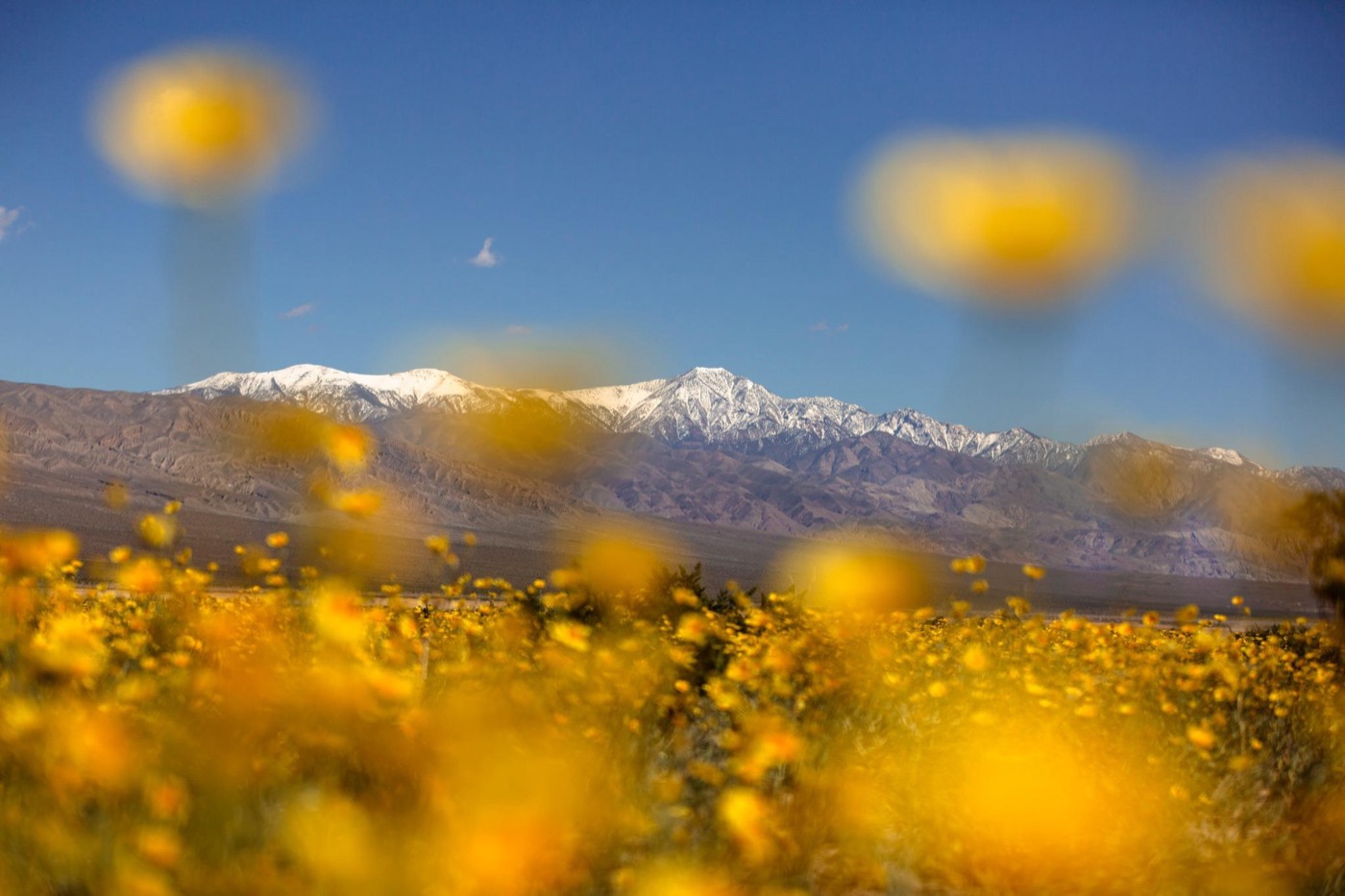
Death Valley sounds like the last place you'd bring kids, and on a July afternoon you'd be right. But in the cooler months it's one of the most jaw-dropping, low-effort parks in the West: the big sights are short walks straight from the car, the scenery looks like another planet, and the salt flats genuinely crunch underfoot. The trick is timing it and keeping everyone watered.
When to go (this matters more than anywhere else)
Spring is the most popular season, with warm sunny days and the chance of wildflowers blooming across the valley floor. Autumn arrives in late October with pleasant temperatures and clear skies, and winter is cool, quiet, and surprisingly beautiful when snow caps the high peaks. Those are your family windows.
Summer is the dealbreaker. By May the valley is already scorching, and midsummer regularly tops 120°F. That's not "pack extra water" hot, it's "kids can overheat in twenty minutes" hot. If summer is your only option, plan car-based viewpoints in the early morning and treat midday as pool-and-air-conditioning time. The park is open every day, all year, so the gate isn't the constraint, the thermometer is.
The big sights, ranked by kid effort
Almost everything famous here is a short stroll, which is exactly what you want with shorter legs in the group.
- Visit Badwater Basin: the lowest point in North America at 282 feet below sea level. A flat boardwalk leads out onto blinding white salt flats kids can walk on. Go early; there's zero shade.
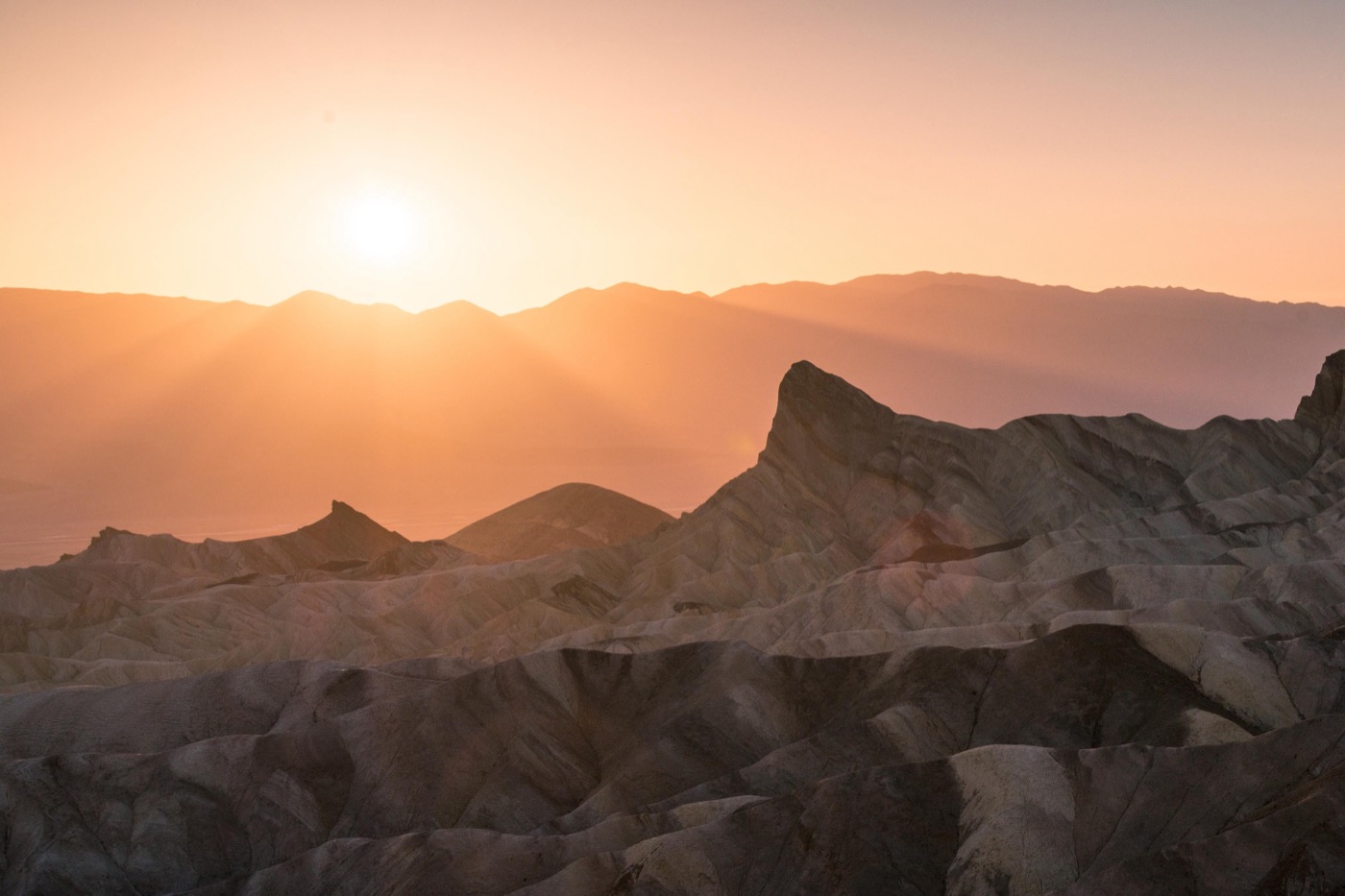
- Zabriskie Point: a short paved ramp up to a railing over rippled golden badlands. Two minutes of walking for one of the best views in the park. Sunrise here is unreal if you can swing it.
- Dantes View: a drive up to an overlook a full mile above the salt flats. It's noticeably cooler at the top, and the perspective is the "whoa" moment for most kids.
- Tour Artists Drive: a one-way paved loop past hills streaked pink, green, and gold. All from the car, which is a gift on a tired afternoon.
- Drive Twenty Mule Team Canyon: an unpaved (but easy) road winding through smooth golden badlands. Quick, scenic, and feels like an adventure.
History stops that don't feel like homework
For a break from viewpoints, the Harmony Borax Works Self Guided Walk is a short, flat path past the ruins of an old borax refinery and the wagons of the famous twenty-mule teams. It's tangible old-mining-days stuff that lands well with kids who like machines and stories. Start at the Furnace Creek Visitor Center first: grab the Junior Ranger booklet, let everyone cool off in the air conditioning, and check current road and heat conditions, which change fast out here.
After dark: one of the best night skies anywhere
Death Valley is a certified dark-sky park, and on a clear, moonless night the Milky Way is staggering. You don't need a trail or any gear, just step outside the lodging after dinner and look up. It's an easy win with kids who'd never make it through a long hike but will happily lie on a blanket and count shooting stars. If you're visiting in spring, the wildflower bloom is the other seasonal headliner, though it's never guaranteed.
Realistic pacing and safety notes
- Water, then more water. Carry far more than feels reasonable, and make kids drink before they say they're thirsty. Salty snacks help.
- Distances are huge. This is a giant park and sights are spread far apart with long stretches of nothing between. Gas up when you can and plan drive time generously.
- Limited services. Cell signal is patchy, and food and fuel are concentrated around Furnace Creek and Stovepipe Wells. Download maps before you go.
- Pets: like most national parks, Death Valley keeps dogs off all trails and away from the backcountry. They're allowed only in developed areas, paved roads, and campgrounds, on a leash. With ground temperatures that can scorch paws and a no-trails rule, this is genuinely not a dog-friendly park, so it's often kinder to leave them home.
- Fees: $30 per private vehicle, good for 7 days. An America the Beautiful pass covers it if you're hitting multiple parks.
Planning the real thing? Nestward builds a day-by-day plan for this park in minutes, free, no subscription. See how it works →