 Nestward
Death Valley for Non-Hikers
The big sights without the big hikes.
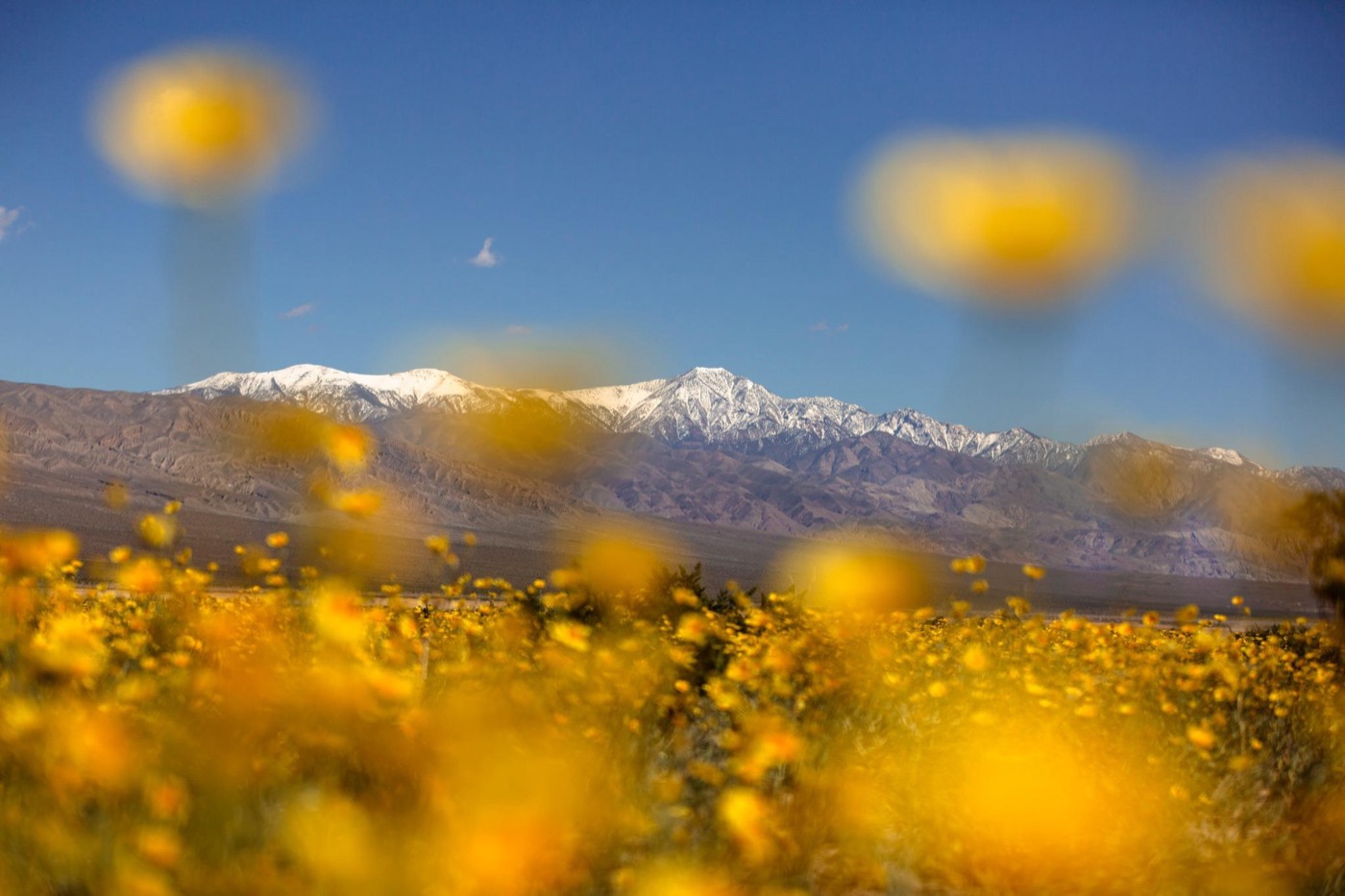
Here's the good news: Death Valley is one of the most car-friendly national parks in the country. The headline sights line up along the road, and the best of them are a short walk or no walk at all. You can have a full, jaw-dropping day here without ever lacing up boots for a real trail.
Why this park rewards non-hikers
Death Valley is the largest national park in the lower 48, and almost everything you've seen on a postcard is roadside. The park describes itself as "a land of extremes" (a below-sea-level basin ringed by peaks that get frosted with winter snow), and the wild part is that you experience most of those extremes from pullouts and overlooks, not summits. The entrance fee is $30 per vehicle, good for seven days, and the park is open all day, every day, year-round.
The catch: distances are big and there's almost no shade. Keep the gas tank above half, carry far more water than feels reasonable, and treat the car's air conditioning as part of the itinerary.
The drives that do the work for you
- Artists Drive. A one-way, 9-mile paved loop through painted hills. The mineral-streaked stretch known as Artists Palette is the highlight, and it's right by the road. No hiking required to see the colors.
- Twenty Mule Team Canyon. An unpaved (but usually car-friendly) one-way road that winds through golden, wrinkled badlands. It feels remote and otherworldly, and you never leave your seat.
- The drive up to Dantes View. A paved road climbs a mile above the valley floor to a lookout over the salt flats. The view does all the heavy lifting; the walk from the lot is minimal.
Viewpoints and short walks worth the stop
- Badwater Basin. The lowest point in North America at 282 feet below sea level. A flat, easy boardwalk leads onto the salt flats. Go as far out as you like, or just stand at the edge and read the "sea level" sign marked high on the cliff behind you.
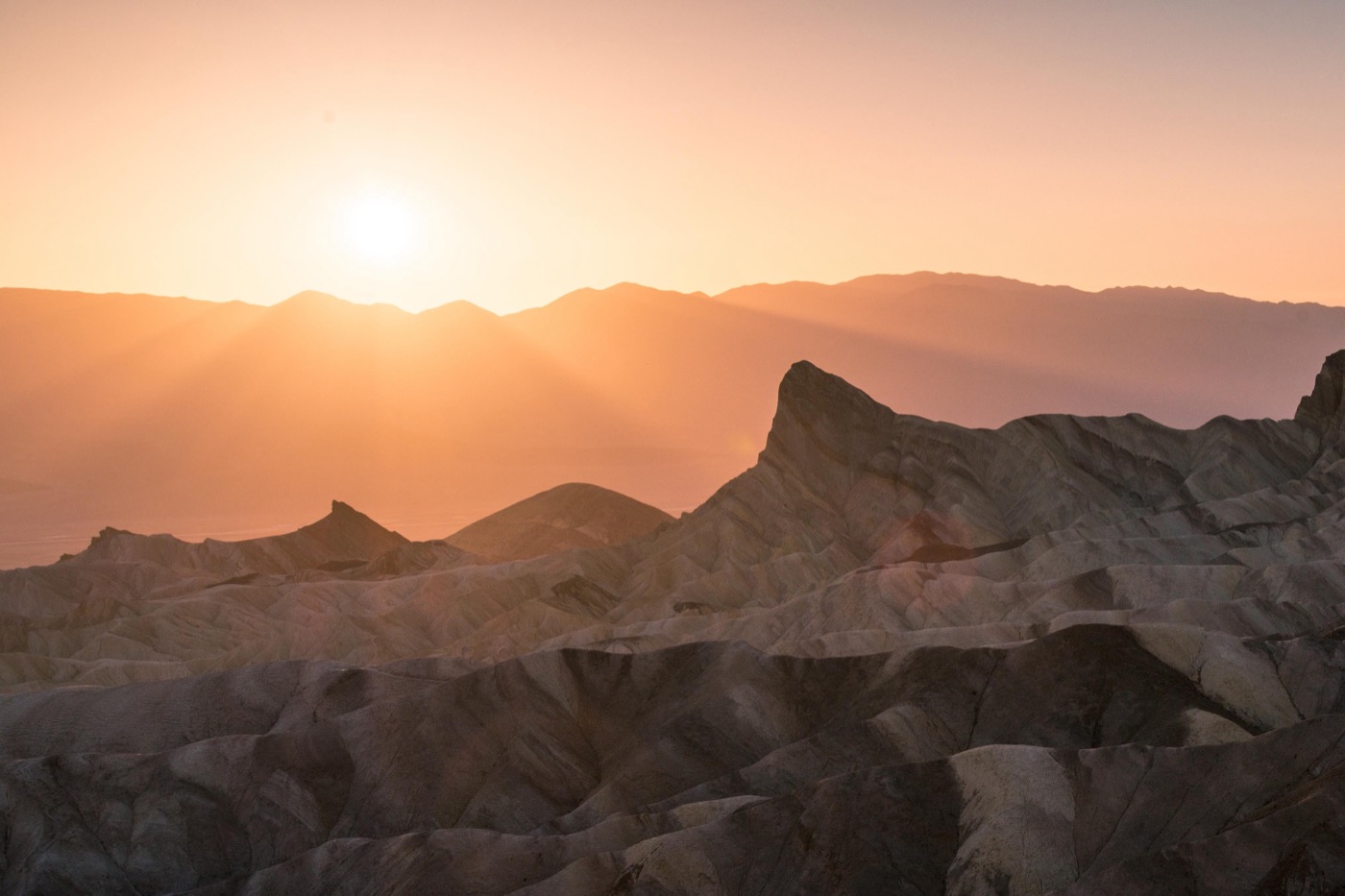
- Zabriskie Point. The most photographed spot in the park, and it's a paved 200-yard ramp from the parking lot. Best at sunrise or sunset when the badlands turn pink and orange.
- Harmony Borax Works. A short, flat self-guided walk past the ruins of an 1880s borax refinery and one of the original twenty-mule-team wagons. Quick, shaded-by-history, and genuinely interesting for kids who like big old machines.
- Furnace Creek Visitor Center. Worth a stop even if you skip every other museum: air conditioning, clean restrooms, a park film, ranger advice on current road conditions, and the Junior Ranger booklet kids can finish in a day.
If you're traveling with kids
The non-hiker playbook is also the kid playbook here. The Badwater boardwalk, the salt crunching underfoot, the painted hills of Artists Drive, and the old mule wagons at Harmony Borax Works all land well with short legs and short attention spans. Grab a Junior Ranger booklet at Furnace Creek and let them collect stamps as you drive between stops. Pack snacks, sun hats, and roughly double the water you think you need. The heat sneaks up on small bodies fast.
Don't skip the night sky
Death Valley is a certified International Dark Sky Park, and stargazing here ranks among the best in the country. You don't need to hike anywhere. Pull over at any wide spot away from the lodge lights, let your eyes adjust for fifteen minutes, and look up. In spring, the same easy roadside stops can also deliver wildflowers; the park calls spring its most popular season for exactly that reason, though big bloom years are unpredictable.
Planning the trip? Nestward builds a day-by-day plan in minutes, free, no subscription. See how it works →