 Nestward
What to See in Death Valley in One Day
A below-sea-level loop you can actually do between sunrise and sunset. California & Nevada
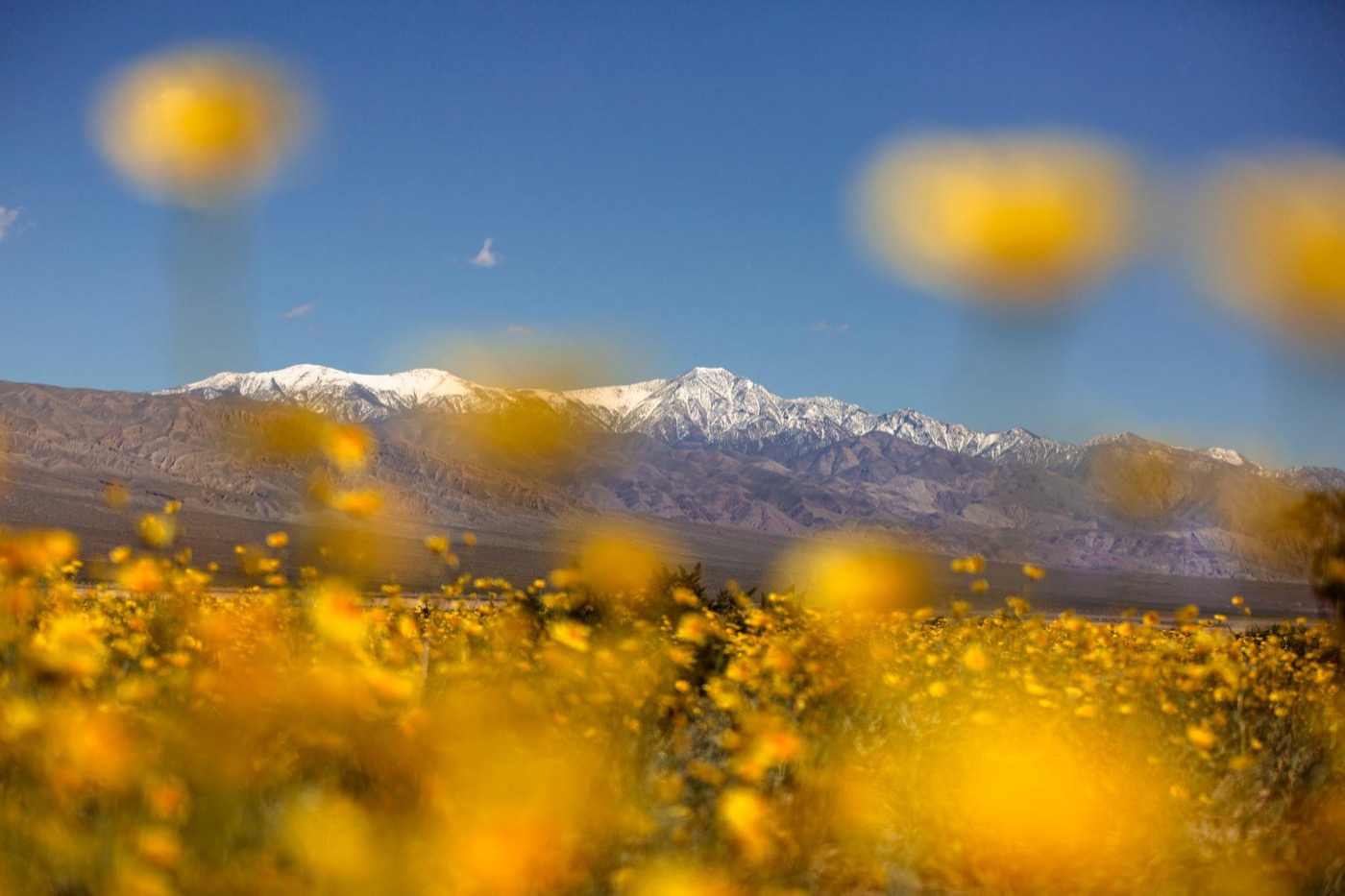
Death Valley is a land of extremes (the lowest, hottest, driest spot in North America) and it's also surprisingly easy to see the headliners in a single day. The catch is the heat and the distances: this is one big park, and "close together" on the map can still mean a 30-minute drive. Here’s a realistic one-day plan that hits the icons without melting your family.
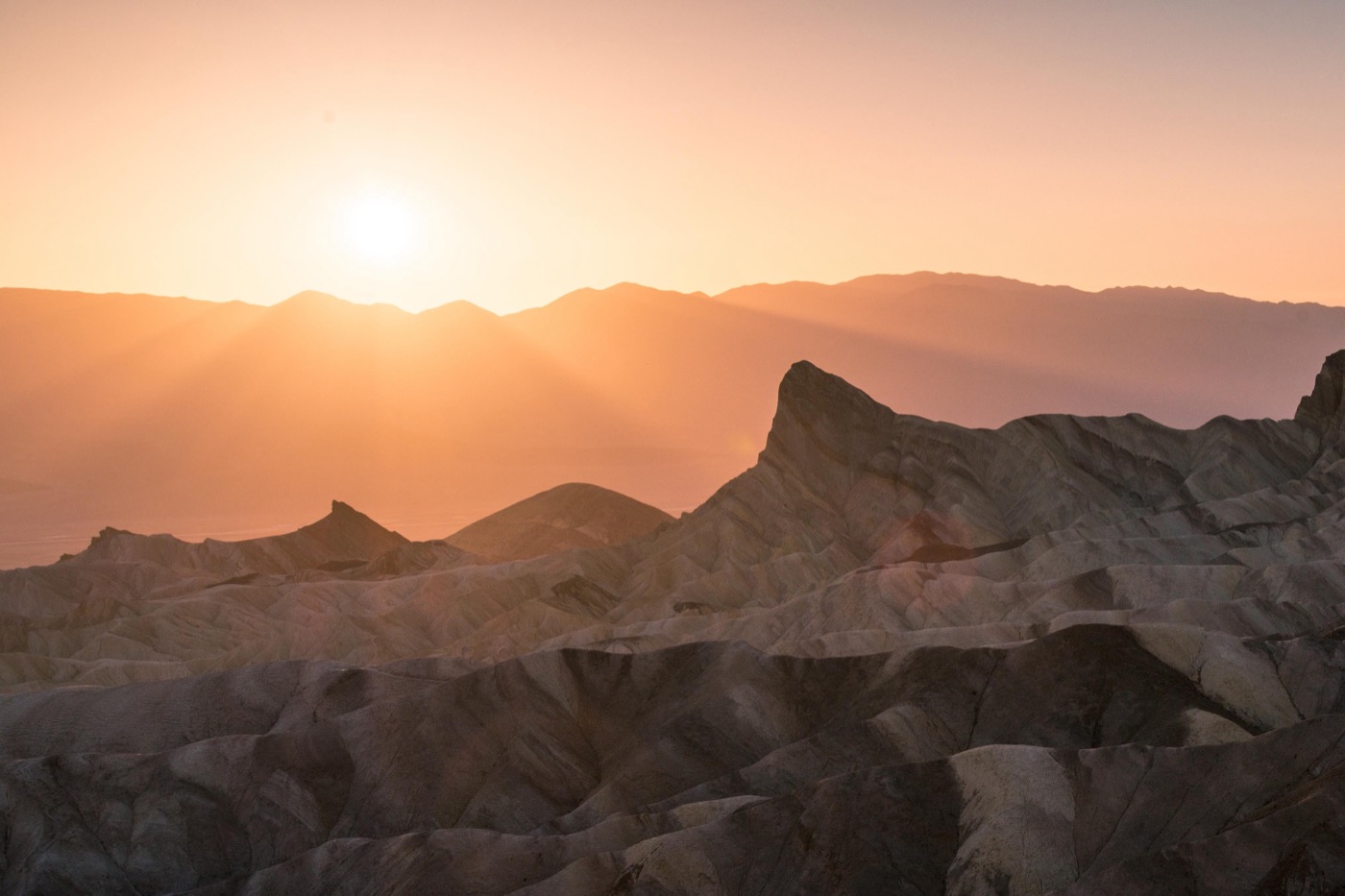
Start at sunrise: Zabriskie Point
Begin here, and begin early. Zabriskie Point is a five-minute walk from the parking lot to an overlook above golden, wrinkled badlands that glow at first light. It's the single best low-effort view in the park, which is exactly why you want it before the crowds and before the day heats up.
From here, swing the few miles to Dantes View if you have a clear morning. It sits a mile above the valley floor and gives you the whole salt-flat basin in one sweep. It's also noticeably cooler up there, a nice buffer before you drop down into the heat.
Mid-morning: Badwater Basin and Artists Drive
Now go low. Badwater Basin is the lowest point in North America at 282 feet below sea level, and the boardwalk leads onto a vast field of white salt flats. Walk out far enough to escape the crowd and see the hexagonal salt polygons, but watch the time and the temperature.
- Artists Drive: a one-way, nine-mile scenic loop on the way back. The pull-off at Artists Palette shows hillsides streaked pink, green, and purple from mineral deposits. Great payoff for almost zero walking, which makes it kid-friendly.
- Twenty Mule Team Canyon: a short, unpaved one-way drive through smooth golden badlands. RVs and trailers can't fit, but a regular car is fine.
- Harmony Borax Works: a flat, quarter-mile self-guided walk through the 1880s borax operation that gave Death Valley its "Twenty Mule Team" history. Quick, shaded-by-nothing, but a good leg-stretcher with a story.
Afternoon: the sand dunes (or hide from the sun)
The Mesquite Flat Sand Dunes near Stovepipe Wells are the easiest dunes to reach. You can walk straight in from the roadside. Kids love them. But in warm months, afternoon is the worst time to be on open sand, so treat this as a flexible stop: go now if it's spring or winter, or save it for the cooler light near sunset.
If the heat has won by mid-afternoon, that's normal. Retreat to the Furnace Creek Visitor Center: air conditioning, water refills, the park film, and a Junior Ranger booklet that buys you a calm hour with the kids. There's no shame in waiting out the worst of the day indoors.
The heat is not a suggestion
This is the part people underestimate. Summer here is genuinely dangerous. By May the valley floor can be scorching, and midday hikes below sea level are how people get into trouble.
- Best time to visit: spring is the most popular (warm days, possible wildflowers), and autumn through winter is the most comfortable. Avoid the long hikes in summer entirely.
- Water: bring far more than you think. A gallon per person per day is the standard advice. Fill up at Furnace Creek; services inside the park are sparse.
- Fuel and cell signal: top off your gas tank before you arrive and don't count on a signal. Distances between stops are long.
- Entrance: $30 per vehicle, good for seven days. The park is open 24/7, year-round.
- Pacing kids: front-load the walking into the cool morning, keep the afternoon to drive-up viewpoints and the visitor center, and save the dunes for low sun.
Is one day enough?
For the icons (Zabriskie, Badwater, Artists Drive, Dantes View, the dunes), yes, a single well-timed day covers them. What you'll skip is the far-flung stuff: the high-elevation Wildrose charcoal kilns, backcountry canyons, and the night sky, which is some of the darkest in the country and worth a stay if you can swing one. If you only have a day, take it. Just respect the heat and start at dawn.
Planning the real thing? Nestward builds a day-by-day plan for this park in minutes, free, no subscription. See how it works →