 Nestward
What to See at Glen Canyon
The big-ticket stops in a park that's mostly water, rock, and long roads.
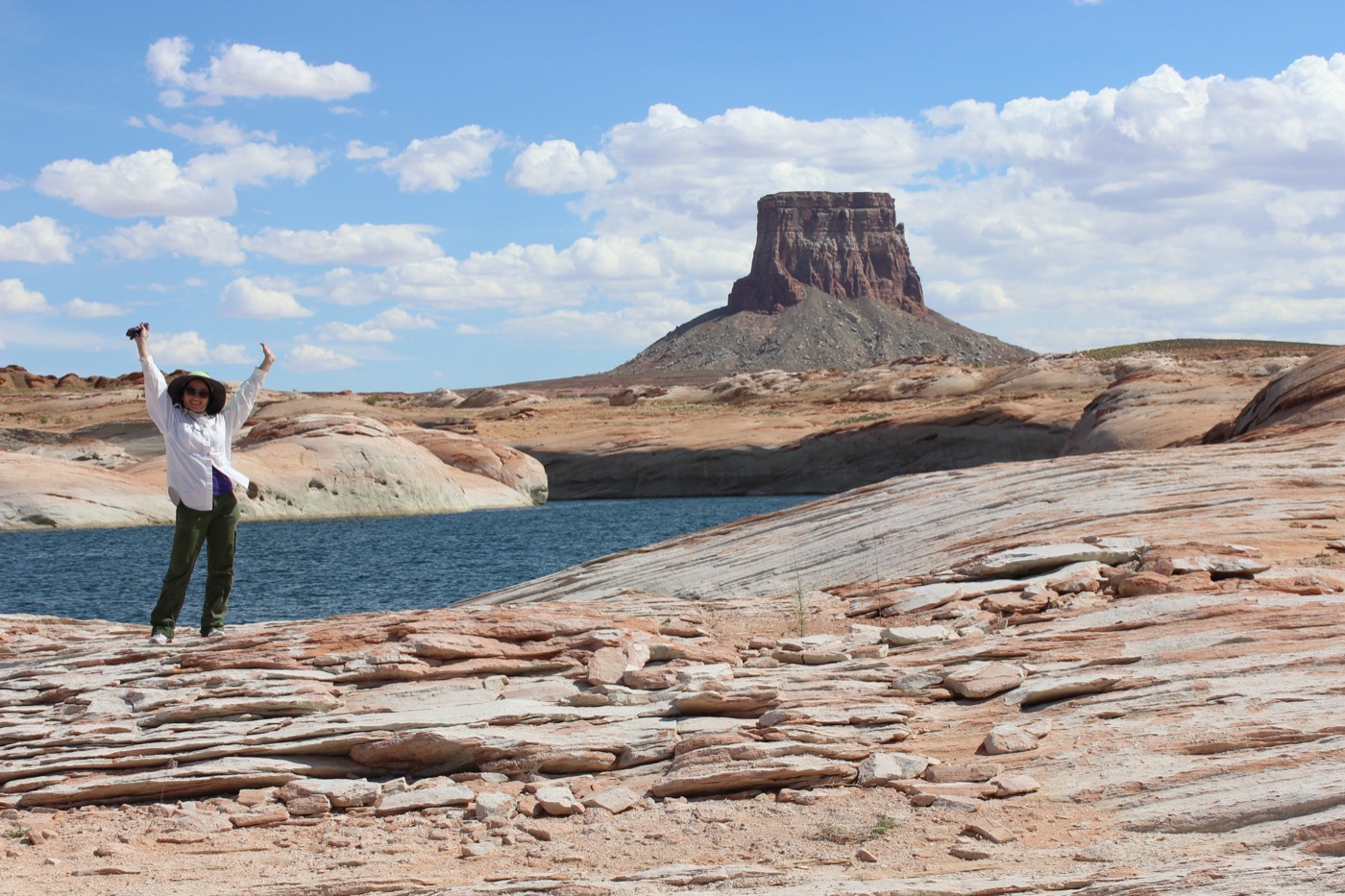
Glen Canyon isn't one tidy park you can loop in a day. It's over 1.25 million acres spread from Lees Ferry in Arizona to the Orange Cliffs of southern Utah, with the highlights often a hundred-plus miles apart. The trick here is deciding which district you're actually visiting before you point the car anywhere. A wrong turn can cost you a 200-mile detour.
The headliners near Page, Arizona
Most first-time visitors base out of Page, and three of the park's most famous sights sit within a short drive of town.
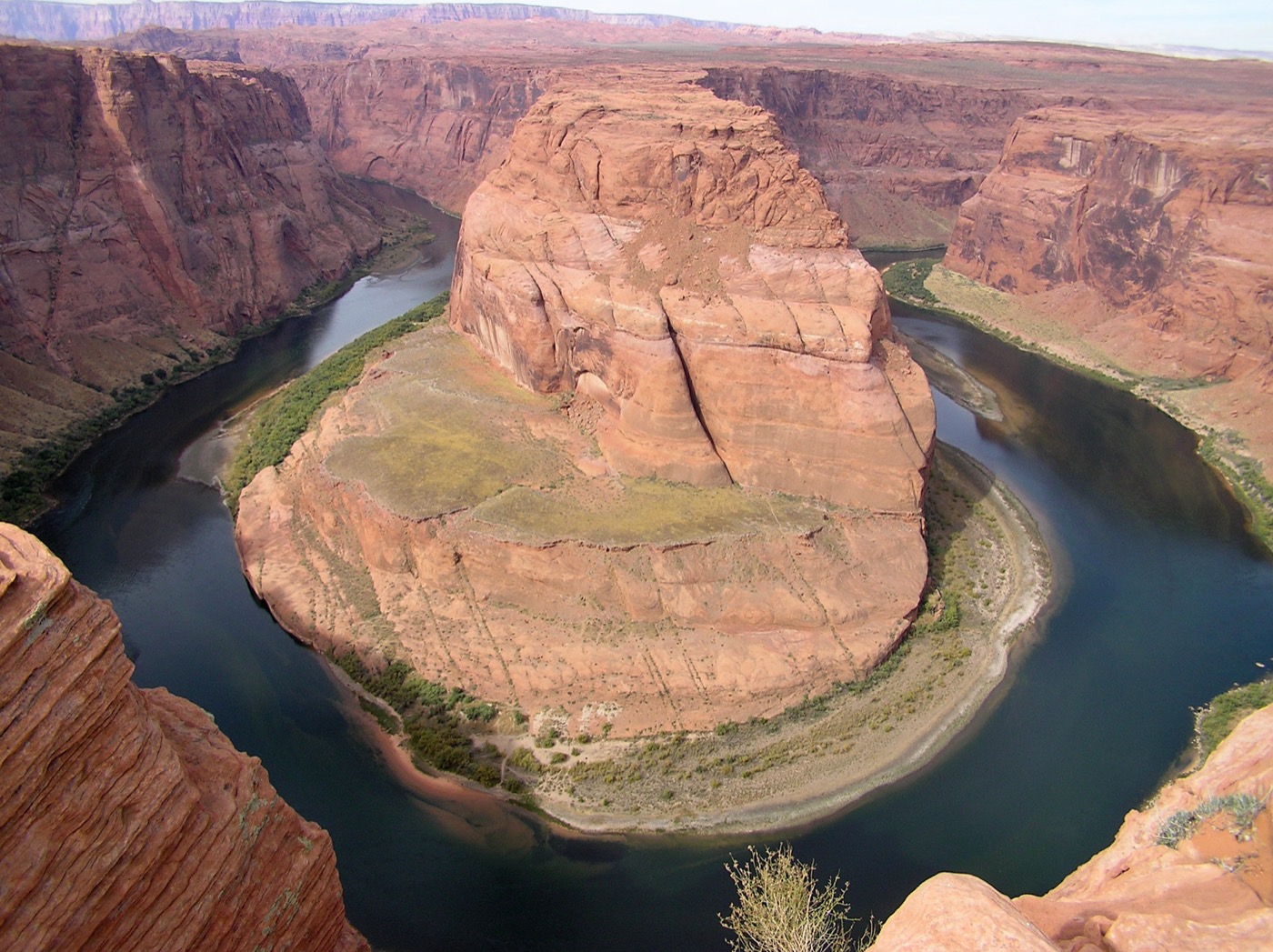
- Horseshoe Bend Overlook: the postcard shot. It's a roughly 1.5-mile round-trip walk on packed sand and rock from the parking area to the rim, where the Colorado River wraps a full 270 degrees around a sandstone butte. The drop is about 1,000 feet with railings only in spots. Worth knowing: it's run with a separate parking fee through the City of Page, and the light is best mid-to-late morning. Go early to beat the crowds and the heat.
- Glen Canyon Dam: the country's second-largest gravity arch dam, plugging the canyon between sheer walls. You can see it from the Carl Hayden Visitor Center, and guided dam tours run from there too. The visitor center is also the right place to get current conditions, since the rest of the park is short on staffed information.
- Lake Powell: the reservoir behind the dam, and the reason most people come. Swimming in Lake Powell, renting a boat or kayak, or just stopping at a beach is the core experience. Wahweap Marina, a few miles from Page, is the main jumping-off point.
Out on the water
Glen Canyon is built for boats. If you can get on the water, the side canyons of Lake Powell are the real reward: quiet, narrow slots you can paddle into when the motorized crowd thins out.
- Rainbow Bridge: one of the world's largest natural bridges, sacred to several Native nations. Most people reach it "from your boat to the bridge": a boat ride across Lake Powell followed by a short trail from the dock. There's no road in, so a tour or your own vessel is the only practical way.
- Kayaking the side canyons: if motors aren't your thing, paddle into the high side canyons for a slower, quieter version of the lake.
- Backcountry lakeshore camping: primitive shoreline camping is allowed in much of the recreation area, which is how a lot of houseboaters and paddlers turn a day trip into a few nights.
History and the quieter end at Lees Ferry
The southern tip of the park, near Lees Ferry, is a different world from the houseboats and wakeboards. This is where the Colorado River runs free below the dam and where pioneer history lives.
- Lonely Dell Ranch Historic Site: log cabins, fences, and an old wagon at the historic river crossing, where getting across the Colorado was once a serious undertaking.
- Cathedral Wash Trail: a roughly 3-mile round-trip route that scrambles down through the wash to the Colorado River's sandy bank. It's rated challenging and involves some rock scrambling, so it's better for older kids and sure-footed adults than toddlers.
The long, scenic drives
A big chunk of Glen Canyon is best seen from behind the wheel. These are remote routes, often unpaved, so check conditions and carry water and a full tank.
- Alstrom Point: a high overlook with a sweeping view down onto Lake Powell and Gunsight Butte. The drive in is rough and usually needs high clearance.
- Hole-in-the-Rock Road: a long, washboard backcountry road tracing a historic pioneer route, with access to slot canyons along the way.
- The Burr Trail and ORV areas: for off-road and ATV travelers, Glen Canyon has designated off-road vehicle areas and scenic backcountry driving like the Burr Trail switchbacks.
- The Big Map: a quieter stop to "contemplate your place in the landscape," literally standing over a large map that makes the scale of this place finally click.
Knowing before you go
The park is open 24 hours a day, year-round, and the entrance fee is $30 per private vehicle (or $55 for the park annual pass). Summers are brutally hot with almost no shade, winter nights drop below freezing, and spring brings unpredictable wind. Fall is the sweet spot: mild weather, smaller crowds. Whatever season you pick, decide your district first and plan the driving distances realistically; that single step saves more trips here than anything else.
Planning the trip? Nestward builds a day-by-day plan in minutes, free, no subscription. See how it works →