 Nestward
Is Big Bend Dog-Friendly?
The pet-policy rundown for a desert park with no easy answers.
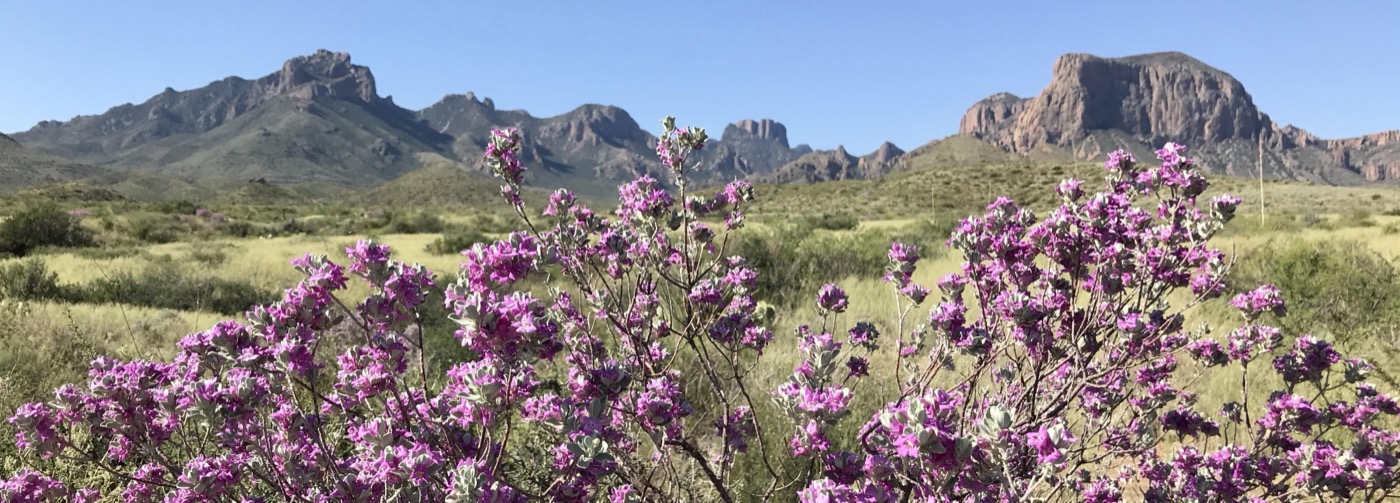
Short version: you can bring your dog to Big Bend, but you can't do much with them once you arrive. Like nearly every national park, Big Bend bans pets from all trails and the backcountry, which is most of why people come. If your dog is part of the trip, plan around that hard limit, not against it.
Where dogs ARE allowed
Big Bend's rule is the standard national-park rule: dogs are welcome only where a car can go. In practice that means:
- Paved and dirt roads, including the scenic drives. Your dog can ride along the whole way to Santa Elena Canyon or up into the Chisos Basin.
- Roadside pullouts and parking areas at trailheads and overlooks.
- Campgrounds (Rio Grande Village, Chisos Basin, and Cottonwood) plus the developed picnic areas around them.
- Paved areas around visitor centers and Panther Junction park headquarters.
Dogs must be leashed (six feet or shorter) at all times, and you can never leave them unattended: not tied to a picnic table, and absolutely not in a parked car. More on that below; it's a genuine safety issue here, not a formality.
Where dogs are NOT allowed (which is most of the park)
This is the part that surprises people. Pets are banned from:
- Every trail, paved or dirt, short or long. The Lost Mine Trail, Santa Elena Canyon, the Hot Springs Trail, Mule Ears, the Rio Grande Village Nature Trail: all off-limits to dogs.
- The entire backcountry, including any backpacking route into the Chisos.
- The Rio Grande and its banks below the developed areas.
- Park buildings, including visitor centers and the store.
So the headline activities (hiking into Santa Elena Canyon, the climb up Lost Mine, riverside birdwatching, a soak after the Hot Springs Trail) are exactly the things you can't share with your dog. Service animals are exempt; "emotional support" or comfort animals are not, and rangers do enforce this.
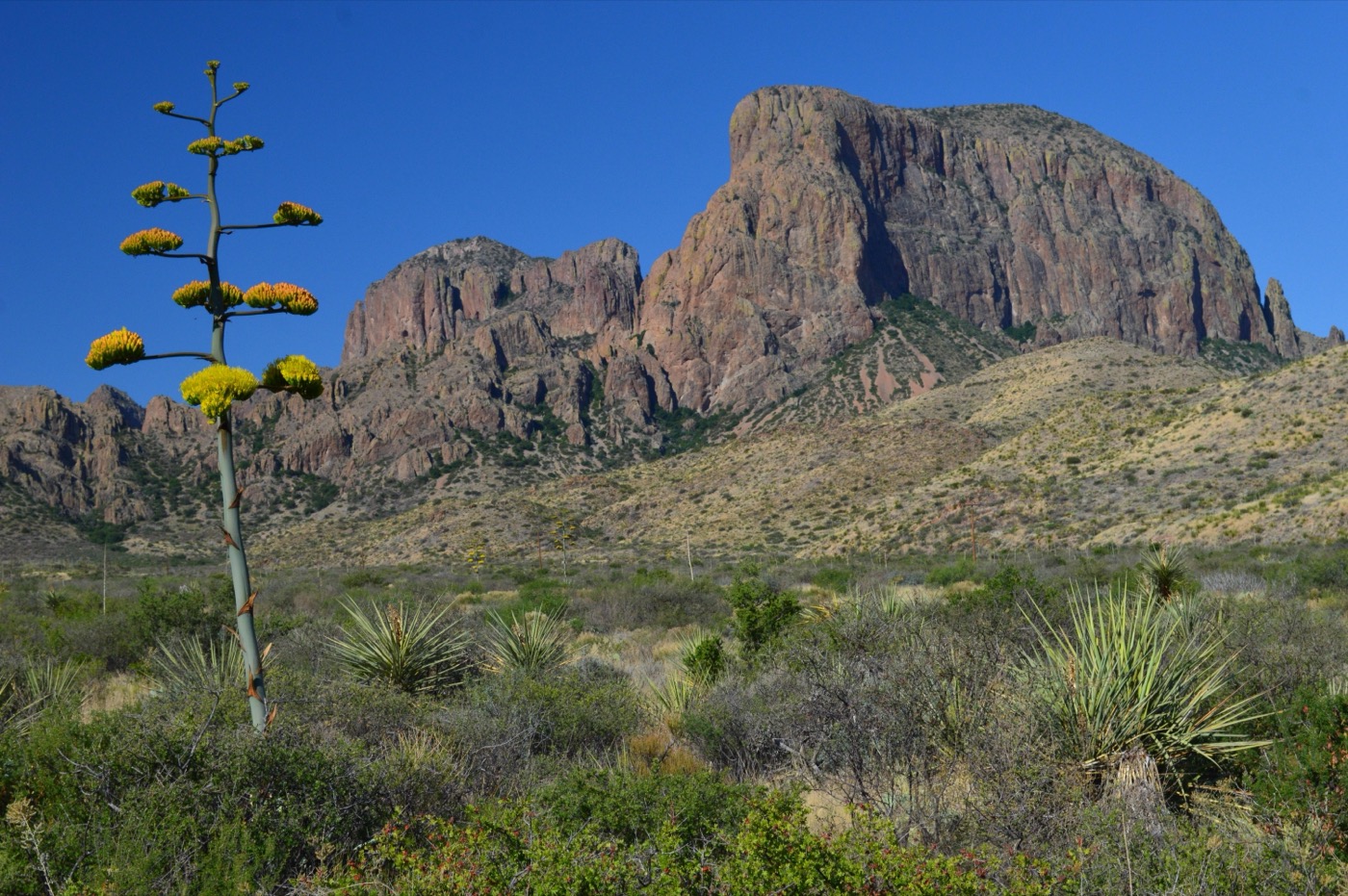
The desert is the real obstacle
Even where dogs are technically allowed, Big Bend's climate makes it a hard place to bring one. The park sits in the Chihuahuan Desert, and the NPS is blunt about it: summer desert temperatures run well above 100°F by late morning, May through August. Pavement and a parked car turn lethal fast.
If you visit in summer, a dog left in a vehicle while you hike is a real risk to its life, and unattended pets are prohibited anyway, so there's no legal workaround. Even in the mild winter months (November–February), bring far more water than you think you need, watch for hot ground and cactus spines, and keep your dog out of midday sun. This is also a remote park. The nearest full services are an hour or more away, so there's no quick vet, no quick anything.
How to actually make a dog trip work
People do bring dogs to Big Bend successfully. The trick is treating it as a scenic-driving and camping trip with your dog, plus some solo hiking:
- Lean into the drives. The Ross Maxwell Scenic Drive and the road into the Chisos Basin are spectacular from the car, and your dog can come for all of it with stops at the overlooks.
- Camp together, hike apart. Base at Rio Grande Village or Chisos Basin Campground, then trade off so one adult stays with the dog while the other hikes. Cooler months only.
- Time it right. Go November through February. Spring is pleasant but it's the park's busiest season, and summer heat makes a dog more liability than companion.
- Have a kennel plan. If hiking is the point of your trip, boarding your dog in a gateway town like Alpine or Marathon for the day may beat dragging them somewhere they can't go.
And one logistics note that catches people: there are no EV charging stations in the park, and the nearest is 130 miles away in Fort Stockton. Distances between gas, food, and water are considerable. Pack for self-sufficiency, dog included.
Planning the trip? Nestward builds a day-by-day plan in minutes, free, no subscription. See how it works →