 Nestward
A First-Timer's Guide to Big Bend
How to plan a remote park you can't just wing
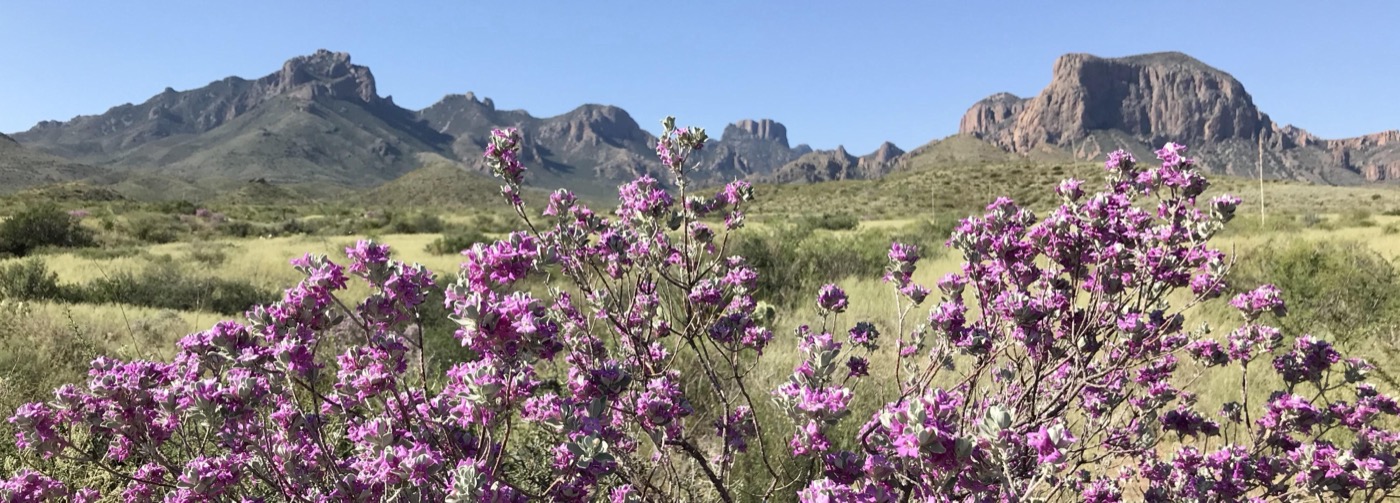
Big Bend sits at the end of the road in Far West Texas, where the Rio Grande carves canyons through limestone and the night sky is genuinely dark as coal. It is one of the most remote parks in the country, which is the whole appeal and the whole catch. Come prepared and it rewards you. Show up casually and the distances will punish you.
The one thing to understand first: it is far from everything
There is no city nearby, no quick airport, no gas station around the corner. The closest highways come in through small towns: TX 118 from Alpine, FM 170 from Presidio, or US 90 and US 385 down to Marathon, which still leaves you 70 miles of two-lane road to park headquarters at Panther Junction. The nearest EV charging station is 130 miles away in Fort Stockton.
- Fill the tank before you enter, and again whenever you can inside the park. Distances between services are long.
- Carry far more water than feels reasonable, for everyone, every day. This is the Chihuahuan Desert.
- Cell service is spotty to nonexistent. Download maps and your plan before you lose signal.
- The park is open 24 hours, all year, but that does not mean help is close. Plan to be self-sufficient.
When to go (and when not to)
This decision matters more here than at most parks because of the heat. Spring, especially March, is warm, pleasant, and by far the busiest season. Fall and winter (November through February) are mild and quiet, with rare freezes and even rarer snow, a great window if you want the park to yourself.
Summer is the real warning. From May through August the desert routinely sits well above 100 degrees by late morning. The Chisos Mountains run 10 to 15 degrees cooler, which is why they become the refuge in hot months. If you must visit in summer, base your hiking up in the Chisos and treat the low desert as a drive-through, early-morning-only zone.
The first-timer's short list of trails
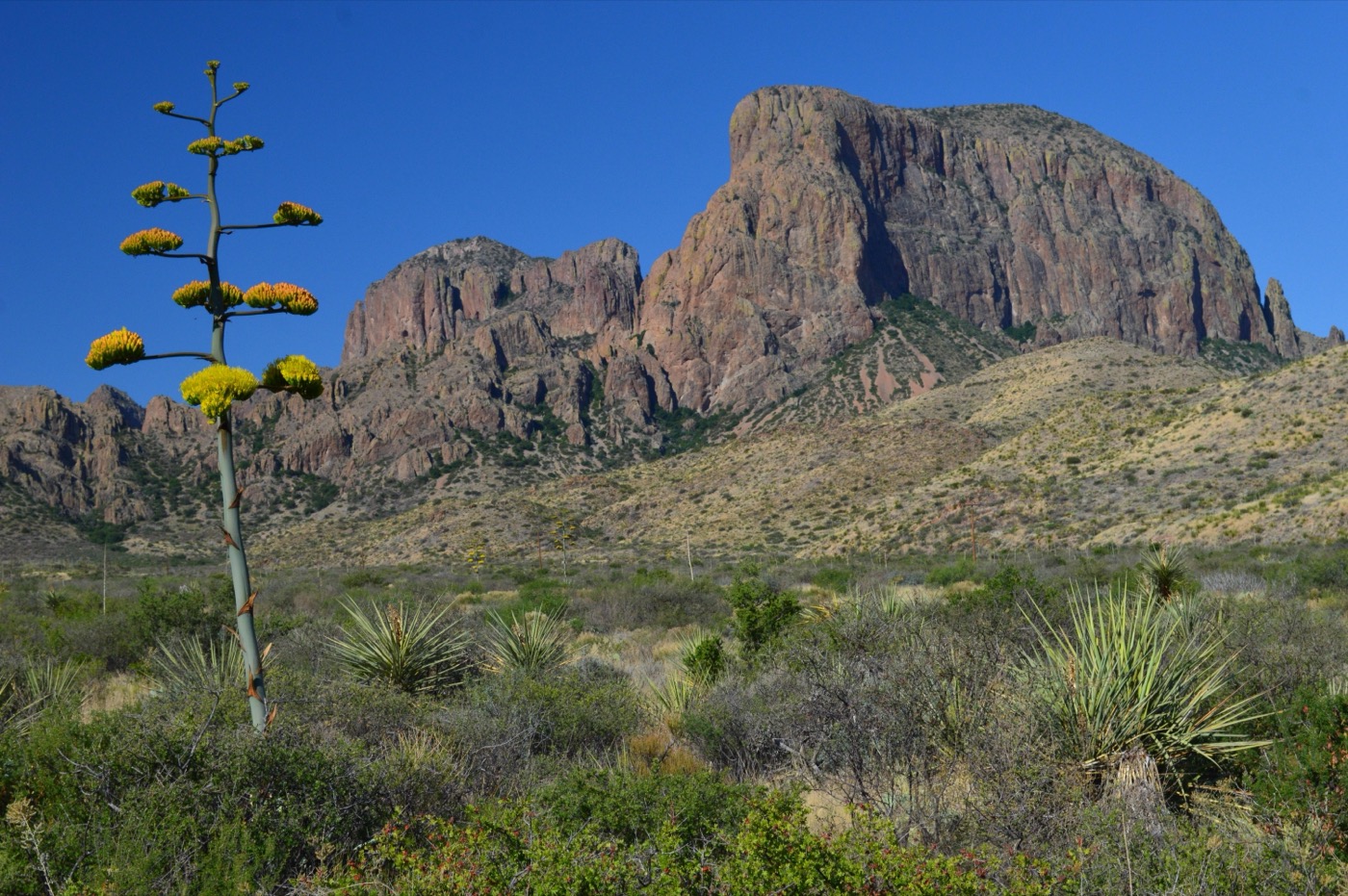
Big Bend is enormous and you cannot see it all in one trip. These are the iconic, well-marked routes worth building a first visit around:
- Lost Mine Trail: the classic introduction to the Chisos. Big payoff views for the effort, and a good gauge of how your group handles elevation and distance. Cooler than the desert below.
- Santa Elena Canyon Trail: a short walk into a 1,500-foot canyon where the Rio Grande splits sheer rock walls. Dramatic, photogenic, and manageable for most. Check the water crossing at Terlingua Creek first; it can be muddy or impassable.
- Hot Springs Trail: leads to a historic 105-degree spring on the edge of the Rio Grande. A reward more than a workout.
- Mule Ears Trail: desert hiking toward the distinctive twin volcanic peaks, for when you want quiet and space.
- Rio Grande Village Nature Trail: short, easy, and one of the best birdwatching spots in a park with over 450 recorded species.
For a bigger objective, the South Rim of the Chisos is the park's signature long hike. Save it for a return trip or a strong, well-acclimated group.
Bringing kids? Pace it around the heat
Big Bend works for families if you respect the conditions. Hike early, rest through the worst afternoon heat, and save evenings for the sky.
- Start the Junior Ranger program at a visitor center on day one. It gives kids a mission and a reason to notice cactus, birds, and fossils.
- Short wins beat death marches: the Rio Grande Village Nature Trail and the walk into Santa Elena Canyon are kid-sized highlights.
- The Hot Springs is a built-in motivator: a warm soak at the end of a flat walk.
- Pack more water and snacks than you think you need, plus hats and real sun protection. Shade is scarce.
Don't skip the night sky, or Mexico
Big Bend is one of the darkest parks in the country, and the Milky Way here is the kind most people have never actually seen. Build at least one clear, moonless night into the trip and just look up. No equipment required. Bring a red-light headlamp to protect everyone's night vision.
If you want a unique day, the village of Boquillas, Mexico sits just across the Rio Grande and you can visit through the official port of entry. Bring a passport, check that the crossing is open during your dates, and treat it as its own half-day plan rather than an afterthought.
Planning the real thing? Nestward builds a day-by-day plan for this park in minutes, free, no subscription. See how it works →