 Nestward
What to See at Big Cypress National Preserve
A swamp that rewards slowing down. Everglades wildness with far fewer people.
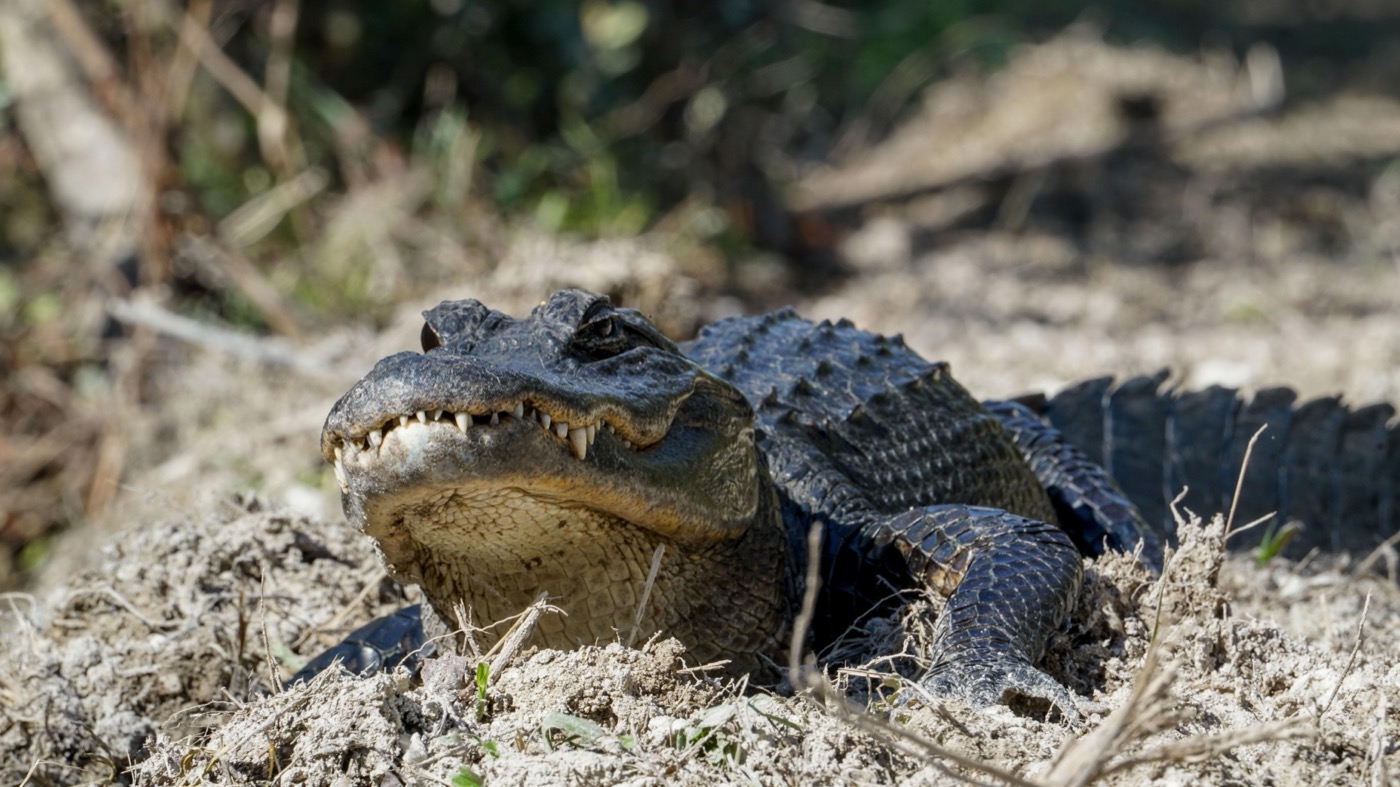
Big Cypress protects more than 729,000 acres of Florida swamp right next door to Everglades National Park, and most visitors blow past it on US 41 without stopping. That's a mistake. This is a place where roadside boardwalks put alligators a few feet away, scenic drives turn up wading birds by the dozen, and the night sky is dark enough to make the Milky Way obvious. But it's a swamp, so come with realistic expectations and bug spray.
Watch wildlife from the boardwalks and waysides
You don't have to wade into the swamp to see the good stuff. The preserve is laced with short, accessible stops right off Tamiami Trail East (US 41) where the wildlife comes to you.
- Oasis Visitor Center Boardwalk: a short boardwalk over a canal where alligators line up below you almost every day in the dry season. Easy, flat, and great with kids.
- Kirby Storter Roadside Park: a longer boardwalk that pushes back into a cypress strand, ending at an open pond. One of the best places to actually feel like you're in the swamp without getting wet.
- H.P. Williams Wayside Park: a small pull-off on the Turner River where gators and wading birds gather. Quick stop, big payoff.
The Endangered Florida panther lives here too, but realistically you won't see one. They're famously elusive. Manage the kids' expectations on that front.
Drive the scenic loops
The unpaved scenic drives are how you cover ground and spot wildlife without much walking. Go slow, keep the windows down, and pull over often.
- Loop Road Scenic Drive: a roughly 24-mile gravel road off US 41 winding through cypress strands and past Sweetwater Strand, a photogenic stretch of moss-draped trees. Passable in a regular car most of the dry season, but it's bumpy; check conditions first.
- Turner River / Wagonwheel / Birdon Scenic Drive: a loop of dirt roads north of US 41 where the roadside canals are reliably stacked with herons, egrets, and gators.
Stretch your legs on a real trail
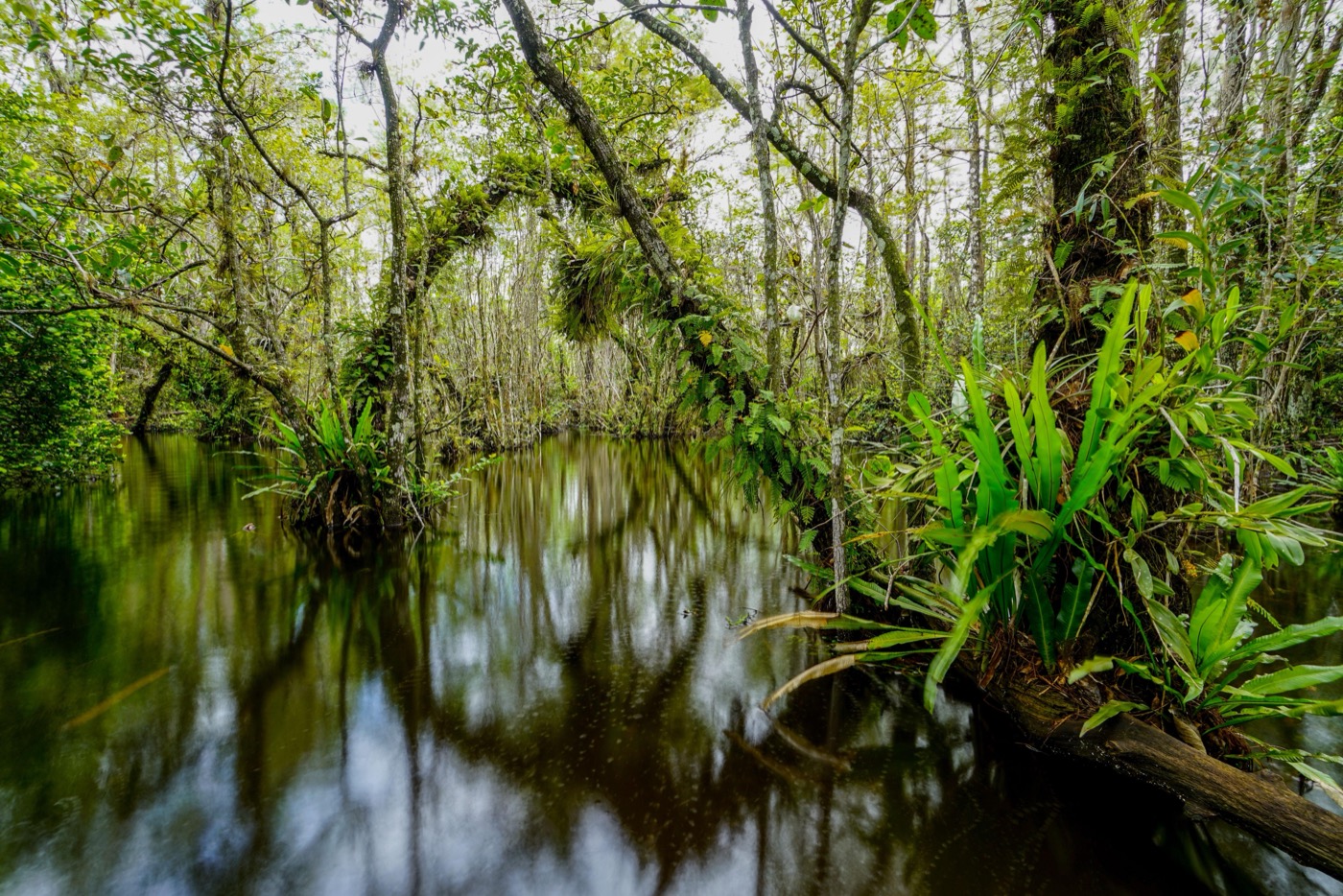
Hiking here is its own thing. Many trails involve wet, uneven terrain, and the famous Florida swamp walks mean actually walking through water. Pick based on how adventurous you're feeling.
- Fire Prairie Trail: an easy, mostly dry out-and-back along an old roadbed through pine and prairie. A good family option that stays out of the muck.
- Deep Lake Trail: a short walk to a deep natural sinkhole lake, an unusual feature in this flat landscape.
- Gator Hook Trail: off Loop Road, this one is wild and frequently wet. Beautiful, but know what you're signing up for.
- Florida National Scenic Trail: Big Cypress is the southern start of this long-distance trail. Sections cross open prairie and can hold standing water, so it's serious hiking, not a stroll.
Stay after dark
Big Cypress is an International Dark Sky Park, and on a clear, moonless night the Milky Way is genuinely striking. Pull off at one of the open prairie areas away from the highway, let your eyes adjust for 20 minutes, and look up. It's one of the best free things to do here and costs nothing. There's no entrance fee to the preserve at all.
Know before you go
The preserve has two visitor centers along US 41 (the Oasis Visitor Center and the Nathaniel P. Reed Visitor Center), both good places to grab maps, check road and water conditions, and use the Junior Ranger program. The preserve is open 24/7, year-round, and free. Fair warning: this is a swamp. The dry season (November through April) is far more pleasant for hiking and wildlife, with lower water and fewer bugs. The wet season (May through October) brings daily afternoon thunderstorms, heat, and serious mosquitoes. Still doable, but bring repellent and a flexible attitude.
Planning the trip? Nestward builds a day-by-day plan in minutes, free, no subscription. See how it works →