 Nestward
Where to Stay Near Yellowstone
Picking the right base camp for the world's first national park.
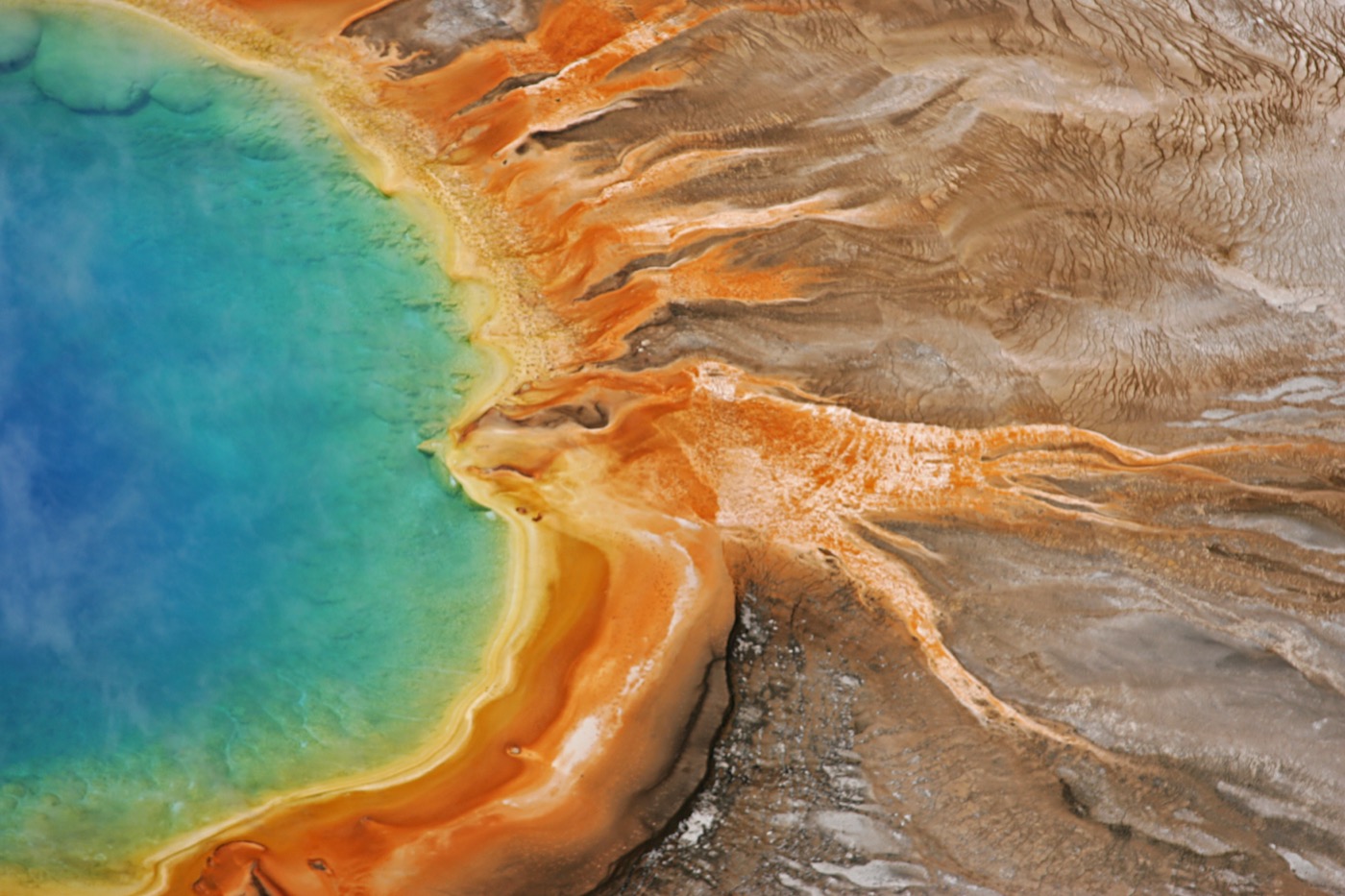
Yellowstone covers nearly 3,500 square miles across Wyoming, Montana, and Idaho, with five entrances that can be hours apart by car. Where you sleep decides how much of your day you spend driving versus actually watching geysers and bison. Here's the breakdown of your options.
First, match your base to the entrance
The park is huge and the roads form a rough figure-eight, so a single "best" base doesn't exist. Pick the entrance closest to what you most want to see, then choose lodging from there. A few anchors:
- West Entrance (West Yellowstone, MT): closest to the geyser basins: Old Faithful, the Grand Prismatic Overlook Trail, and Fairy Falls. The busiest entrance, and it shows.
- North Entrance (Gardiner, MT): the only entrance open to cars year-round. Gateway to Mammoth Hot Springs and the wildlife-rich Lamar Valley. Good for the Rescue Creek Trail and bison country.
- South Entrance: the natural pick if you're pairing Yellowstone with Grand Teton, which sits just below it.
- East and Northeast Entrances: quieter, scenic, and farther from services. The Beartooth Highway out of the Northeast is spectacular but only open late May through mid-October.
Note: the East, South, and West entrances all close to regular cars for much of the spring and fall shoulder seasons. Only the North Entrance stays open year-round. Check road status before you commit.
Gateway towns: the practical choice
Most families end up here, and for good reason: real restaurants, laundry, gas, and rooms you can book without entering a lottery.
- West Yellowstone, MT: the most amenities and the shortest hop to the geysers. Touristy and pricey in July, but you'll find a grocery store and a pizza place when the kids hit their limit. Best all-around family base.
- Gardiner, MT: smaller, calmer, and your launchpad for Lamar Valley wildlife. You drive through the historic stone arch to enter. Fewer dinner options, so plan ahead.
- Cody, WY: about an hour from the East Entrance, with a genuine Western-town feel and the Buffalo Bill Center. Great for a couple of nights, but the daily drive into the park is long.
- Jackson, WY: gorgeous and expensive, and a solid base only if you're doing the Tetons too. It's a long haul to the northern half of Yellowstone.
The trade-off: gateway towns mean a 30-to-90-minute drive each morning just to reach the park boundary, then more driving inside. Early starts are non-negotiable if you want to beat the crowds at Old Faithful.
In-park lodges: wake up where the action is
Sleeping inside the park is the dream. You're already past the entrance gate at sunrise, when wildlife is active and parking lots are empty. The catch is logistics. Rooms open for booking many months ahead and sell out fast, prices are steep, and most lodges have no TV, no air conditioning, and spotty cell service. That's a feature for some families and a dealbreaker for others.
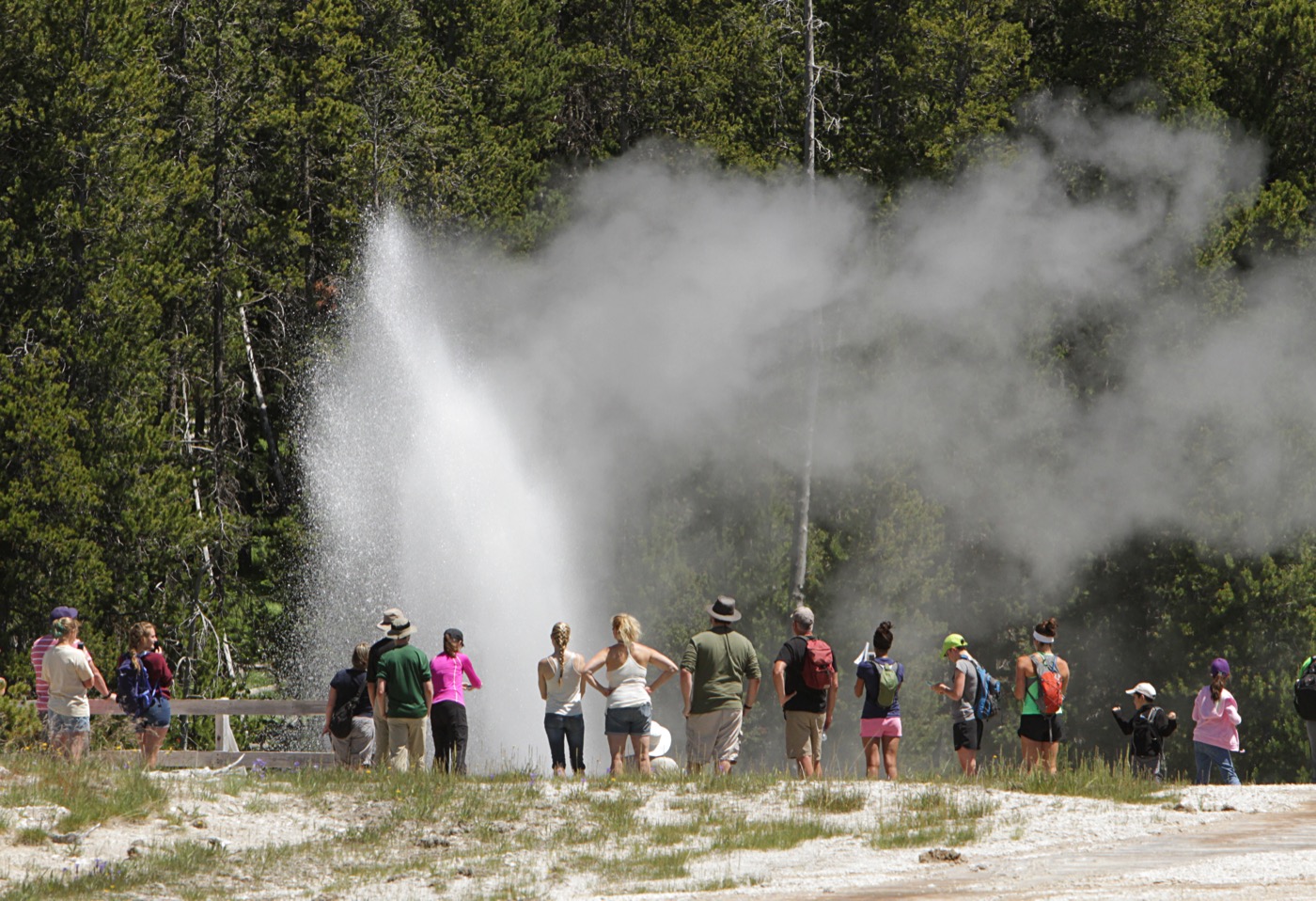
- Old Faithful area: the most iconic place to stay, steps from the geyser and the Upper Geyser Basin. Book the moment reservations open.
- Mammoth Hot Springs: near the North Entrance, open more of the year, and walkable to the travertine terraces.
- Canyon and Lake areas: central and convenient for the Grand Canyon of the Yellowstone, Mud Volcano, and Lower Falls from Artist Point.
The trade-off: you trade comfort and flexibility for unbeatable location. If your kids need wifi to wind down, this isn't it. If they'll happily watch elk from the porch, it's magic.
Campgrounds: the budget-and-wildness option
Camping is only allowed in designated campgrounds. No pulling over to sleep. There are a dozen inside the park; some take reservations, others are first-come, first-served and fill by mid-morning in summer. Pluses: you're inside the park, it's far cheaper than a lodge, and the night skies are extraordinary. Minuses: it can snow in any month, nights drop below freezing even in summer, and this is grizzly country. Strict food-storage rules are not optional.
- Reservable campgrounds like Madison and Canyon are your safest bet with a fixed itinerary.
- RV families should confirm hookups in advance; many sites have none.
- Bring layers, rain gear, and a real cold-weather sleeping setup regardless of season.
So where should you actually stay?
For a first family trip, base in West Yellowstone for the geysers, or split your stay: a couple of nights near the West Entrance and a couple near Gardiner for Lamar Valley wildlife. If you can snag an in-park lodge and your crew tolerates rustic, take it. The sunrise access alone is worth it. Campers willing to plan ahead get the best value and the best stars. Whatever you pick, the entrance fee is $35 per vehicle for seven days, and early mornings beat the crowds every time.
Planning the trip? Nestward builds a day-by-day plan in minutes, free, no subscription. See how it works →