 Nestward
Where to Stay Near Rocky Mountain National Park
Gateway towns, in-park campgrounds, and which side of the park to pick
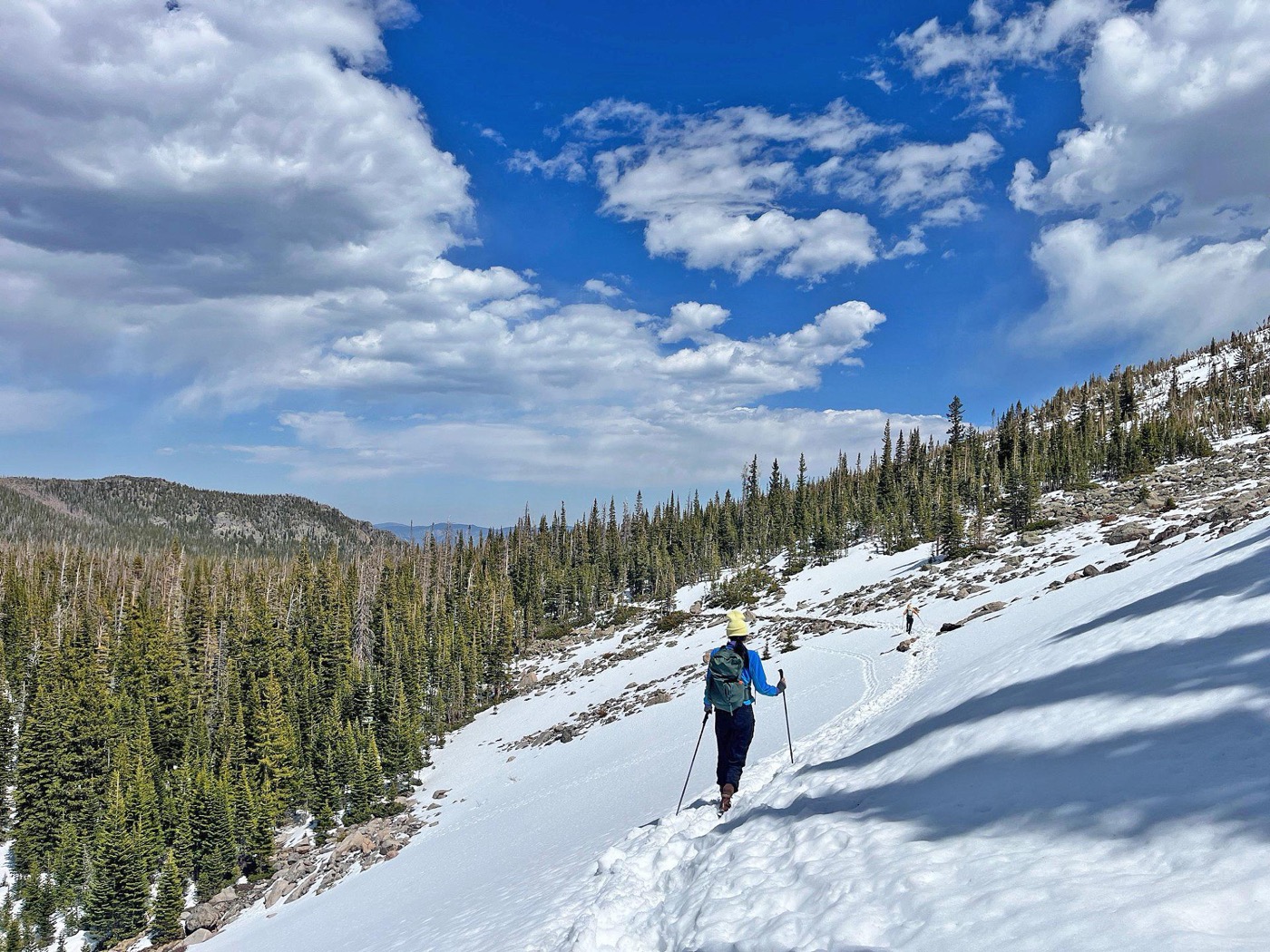
Rocky Mountain National Park has no hotel inside it: no historic lodge, no roadside motel, nothing. Where you sleep comes down to two gateway towns on opposite sides of the park, or a tent or RV at one of the in-park campgrounds. Here's the full picture of each, so you don't end up driving an hour to breakfast.
The two sides: Estes Park vs. Grand Lake
The park has an east side and a west side, connected over the top by Trail Ridge Road. The two gateway towns are nothing alike, and the one you choose shapes the whole trip.
- Estes Park (east side) is the busy one. It's about 75 minutes from Denver, has the most lodging, the most restaurants, and the closest access to the park's headline trailheads: Bear Lake, Hidden Valley, the Beaver Meadows entrance. The trade-off: summer crowds, traffic on Elkhorn Avenue, and prices that climb in July and August. If it's your first visit and you have kids, this is the practical pick.
- Grand Lake (west side) is the quiet one. Smaller, sleepier, sitting on an actual lake, with far fewer beds and fewer dinner options. It's the better base if you want calm, water access, and a shot at solitude on the trails. The catch: most of the famous east-side hikes are an hour-plus away over Trail Ridge Road, which only opens late spring through fall.
Don't try to split your stay across both unless you have four-plus days. The drive over the top is gorgeous but slow, and it's a chore with tired kids in the back seat.
Staying in Estes Park
Estes Park is where most families land, and for good reason. You can be at the Beaver Meadows entrance in under ten minutes, and the timed-entry reservation system the park uses in peak season is much easier to work around when you're staying close.
Pros: Closest to Bear Lake and the marquee east-side trails. Real grocery stores, breakfast spots, a candy shop or two, and an aerial tramway in town for a rainy afternoon. Wide range of lodging, from cabins to chain hotels.
Cons: It gets genuinely packed June through August. Downtown traffic is slow, parking is a hunt, and summer rates are not gentle. Book lodging months ahead for July visits.
Tip: a place with a kitchen pays for itself. You'll want early starts to beat trailhead crowds, and making your own breakfast beats waiting for a table at 8 a.m.
Staying in Grand Lake
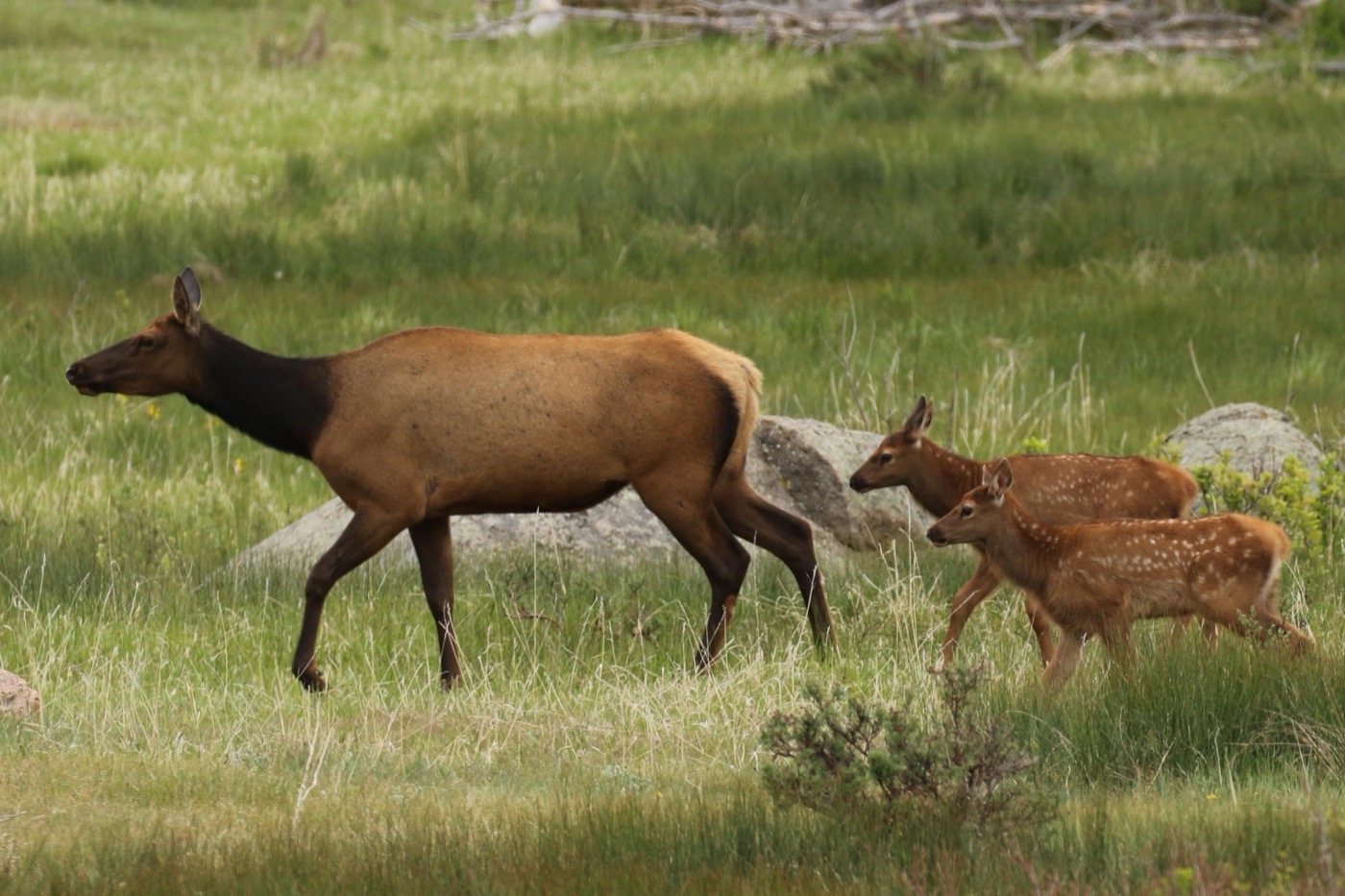
The west side is the road less traveled, literally. Grand Lake sits at the foot of Trail Ridge Road and next to the Holzwarth Historic Site, an old dude ranch you can walk through. Wildlife viewing here is excellent and the moose are a genuine draw.
Pros: Quieter trails, lake swimming and paddling, a small historic boardwalk town, and a real sense of getting away from it. Moose and elk sightings are common right off the road.
Cons: Limited lodging and dining, so book early and lower your restaurant expectations. The big east-side trailheads are far. And if Trail Ridge Road is closed for snow (which it is for much of the year), your connection to the east side disappears entirely.
Camping inside the park
If you want to actually sleep in the park, camping is the only way. Rocky Mountain runs several campgrounds, and the popular ones are reservation-only. They fill fast, so book the moment your dates open on recreation.gov.
- Moraine Park and Glacier Basin sit on the east side, close to the Bear Lake corridor and the shuttle system. Best for families who want quick trail access without a town drive.
- Timber Creek is the lone west-side campground, near Grand Lake and the Holzwarth Historic Site, quieter, with that west-side calm.
- Aspenglen sits near the Fall River entrance, a smaller, well-placed option on the east side.
A few notes: nights are cold even in summer, with elevation here running from about 7,800 feet well past 12,000 on Trail Ridge Road, and weather flips fast. Pets are not allowed on any trail, so a campground isn't a workaround for bringing the dog hiking. And there are no in-park RV hookups, so plan accordingly.
So where should you stay?
First family trip, summer, want the famous hikes and easy logistics? Stay in Estes Park and book early. Craving quiet, water, and wildlife over checklists? Grand Lake rewards you. Want to be in the park at dawn and don't mind cold nights? Grab an east-side campground like Moraine Park the day reservations open. Whatever you pick, build your driving days around Trail Ridge Road's seasonal closure. It's the hinge the whole park turns on.
Planning the trip? Nestward builds a day-by-day plan in minutes, free, no subscription. See how it works →