 Nestward
The Best Time to Visit Rocky Mountain National Park
A month-by-month look at crowds, weather, road closures, and the weeks that are actually worth it.
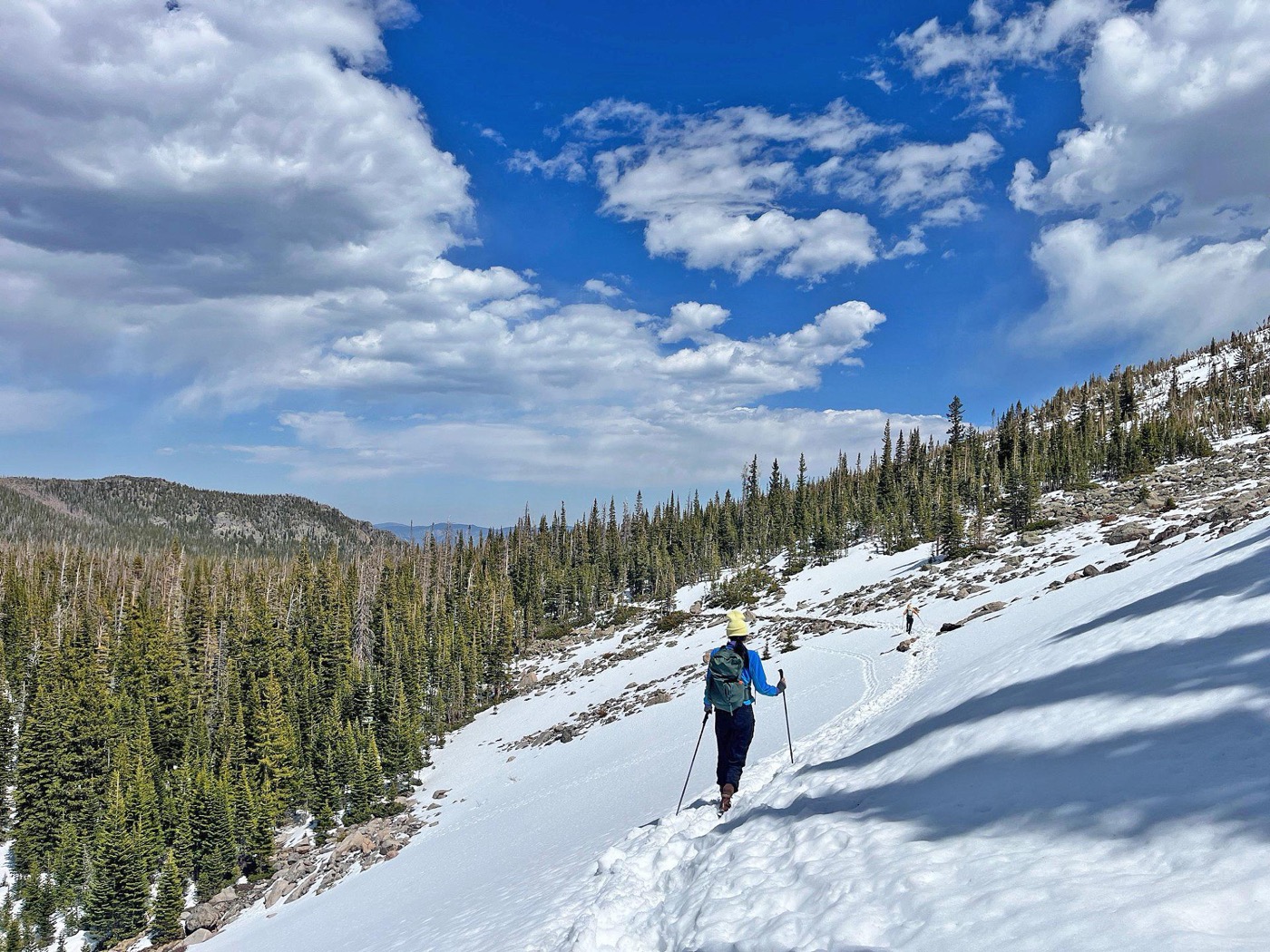
Rocky Mountain National Park packs 415 square miles, over 300 miles of trail, and peaks above 14,000 feet into one Colorado package, which means "the best time to visit" depends heavily on what you're after. The short version: late June through September is when the whole park is open, and that's also when everyone else shows up. Here's how the calendar actually plays out.
The one road that decides your trip: Trail Ridge Road
Before you pick dates, understand Trail Ridge Road. It's the high alpine highway that connects the Estes Park (east) side to Grand Lake (west), climbing past 12,000 feet, and it's the reason most people come. It is also closed by snow for much of the year.
- Typically open: late May or early June through mid-October, weather permitting.
- Closed: mid-October through late May. Plowing in spring is slow and unpredictable. A May opening date is a hope, not a promise.
- The catch: even in summer, afternoon thunderstorms and the occasional summer snow squall can close the top temporarily. Drive it in the morning.
Old Fall River Road, the park's other scenic drive, is a one-way gravel route that opens even later (usually July) and closes early. If a high-country scenic drive is the point of your trip, you need July through September.
Month by month
January–March. Quiet, cold, and beautiful in a stark way. Trail Ridge Road is closed at the high gates, but the lower east side stays open and the park is genuinely fun in winter: snowshoeing, cross-country skiing, and elk and mule deer that are easy to find against the snow. Bring traction devices for icy trails. Crowds are minimal. This is the season for people who don't mind the cold.
April–early May. The awkward shoulder. Snow is still melting, the high road is still closed, and many trails near and above treeline are icy or buried. Lower elevations start to green up. Light crowds, cheap lodging in Estes Park, but limited access. Fine for a low-key visit, frustrating if you expected the alpine drive.
Late May–June. Things wake up. Bear Lake is gorgeous in late May and early June, Trail Ridge Road usually opens, and waterfalls run hard from snowmelt. Higher trails may still need traction into June. The timed-entry reservation system kicks in (see below), and crowds build fast toward the end of June.
July–August. Peak everything. Every road and trail is open, wildflowers are out, and the weather is the most reliable of the year, with one near-daily catch: afternoon thunderstorms roll in, so plan to be off exposed peaks and above treeline by early afternoon. This is also the most crowded and most expensive stretch, and timed-entry reservations are essentially required for the popular corridors.
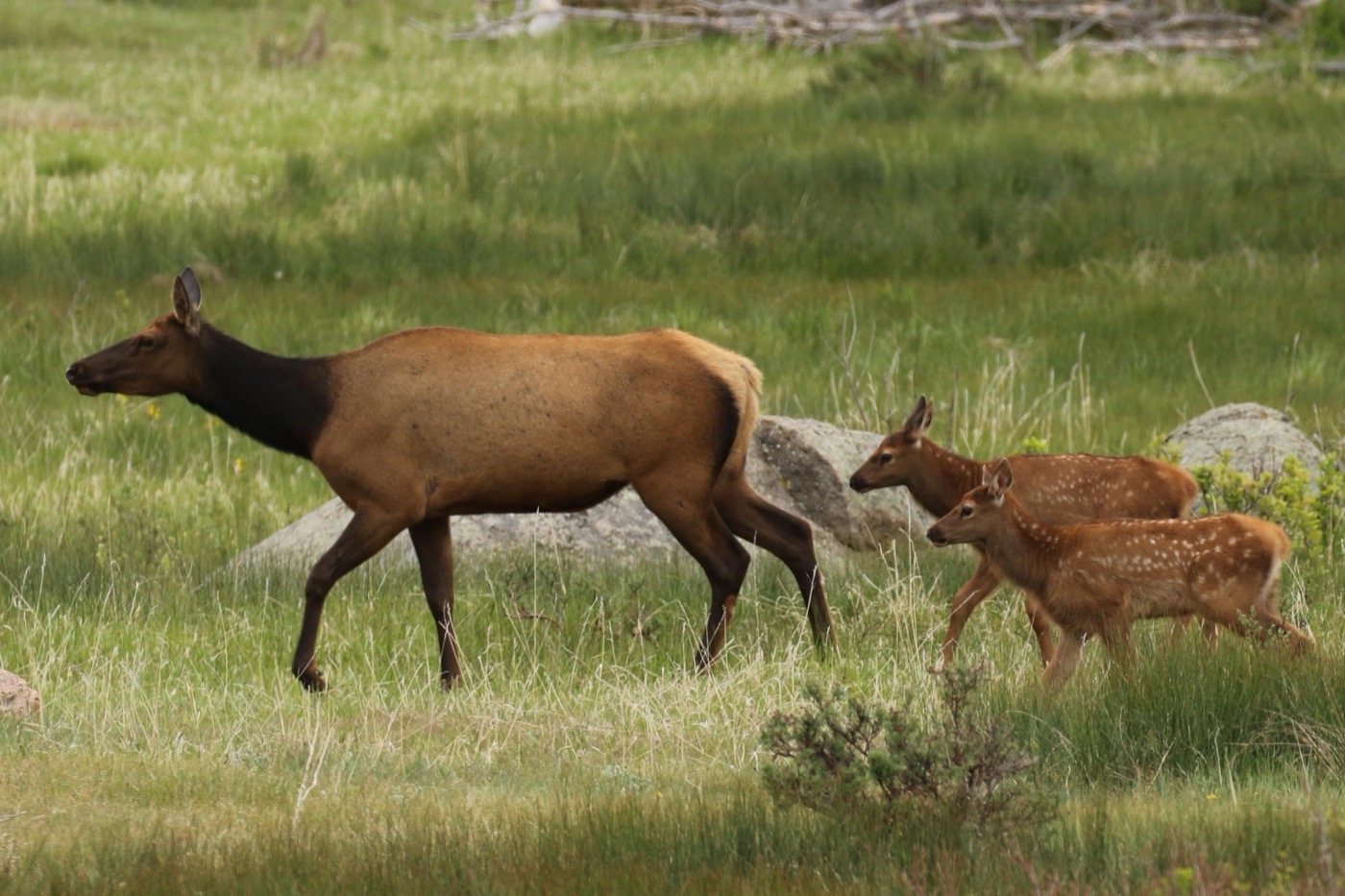
September. Many regulars' favorite month. Crowds thin after Labor Day, days stay warm, nights turn crisp, and the elk rut brings bugling bulls into the meadows, one of the park's signature wildlife shows. Aspens turn gold mid-to-late month. The high road is still open. If you can only go once, this is the strongest all-around pick.
October. A short, lovely window that closes quickly. Early October can be glorious; then Trail Ridge Road shuts for the season (often mid-month) and the first real snows arrive. Gorgeous and uncrowded if you catch it right, but access shrinks week by week.
November–December. Winter again. Quiet, snowy, low-elevation access only, and a good time for snowshoeing once there's enough snow. Holiday weekends draw a small bump; otherwise you'll have a lot of room.
Reservations and crowds: the part people forget
In recent summers, Rocky has run a timed-entry permit system on top of the regular entrance fee, roughly late May through mid-October. The popular Bear Lake Road corridor needs its own permit. Dates and details shift year to year, so check the official park site before you book anything. Assume that for a summer or early-fall visit, you'll need a reservation, and the early-morning and evening slots go fastest.
- Beat the crowds any season: be at the entrance before 8 a.m. or arrive after 3 p.m.
- The Grand Lake (west) side is consistently quieter than the Estes Park (east) side.
- Weekdays beat weekends by a wide margin in July and August.
So when should you actually go?
- Best overall (families included): mid-to-late September, with open roads, thinner crowds, the elk rut, and the Holzwarth Historic Site and Junior Ranger activities still running.
- Best for full access and warm days: July–August, if you make peace with crowds, reservations, and afternoon storms.
- Best for solitude and snow: January–March, for snowshoeing, cross-country skiing, and easy wildlife viewing.
- Skip if you can: April and early May, when the high country is neither plowed nor melted.
Planning the trip? Nestward builds a day-by-day plan in minutes, free, no subscription. See how it works →