 Nestward
Where to Stay Near Olympic National Park
A practical guide to gateway towns, in-park lodges, and campgrounds.
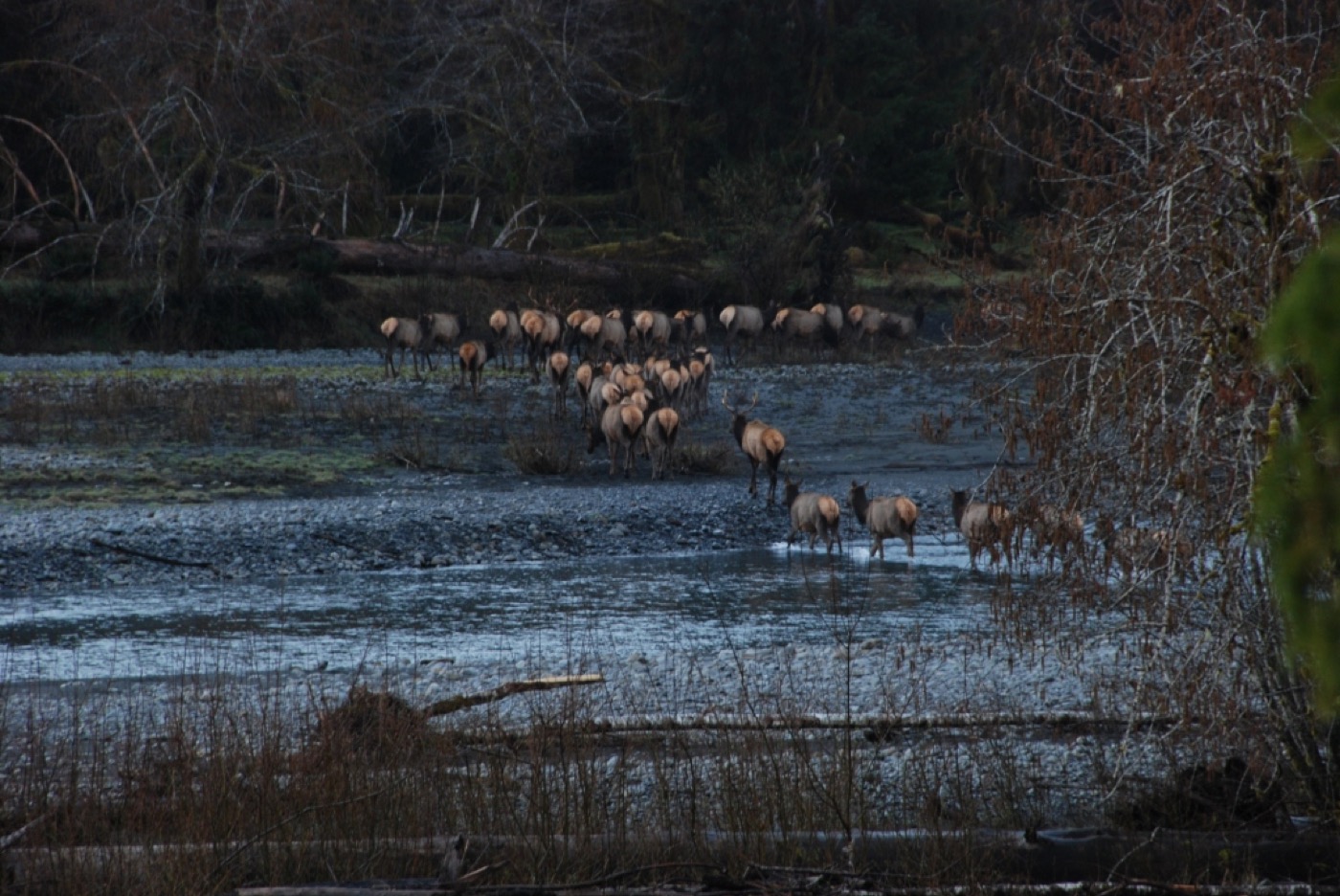
Here's the thing about Olympic: it's nearly a million acres of glacier-capped mountains, old-growth rain forest, and over 70 miles of wild coastline, and there is no single town that's close to all of it. Highway 101 loops around the whole peninsula, and you'll spend real time in the car no matter where you sleep. So the smart move isn't finding "the" base; it's matching your base to the corners of the park you actually care about.
Gateway towns: the practical bases
Three towns do most of the heavy lifting. None is fancy, all have grocery stores and gas, and which one wins depends on where you're headed.
- Port Angeles: the closest thing to a hub. It's where the main visitor center sits, it's the launch point for the drive up to Hurricane Ridge, and it's an easy reach to Lake Crescent. Most lodging, restaurants, and the Junior Ranger sign-up are here. Pro: central to the north side, most beds. Con: it's a working port town, not a charming village, and it's still 2+ hours from the rain forest and coast.
- Forks: on the west side, your best base for the Hoh Rain Forest and the wild beaches near La Push. Famously the Twilight town, which the local shops will not let you forget. Pro: closest to rain forest and coast. Con: remote, limited dining, and it rains. A lot. That's why the trees are that big.
- Sequim: just east of Port Angeles and noticeably drier (it sits in a rain shadow). Good if you want sun, lavender farms, and a calmer, more family-friendly town to come home to. Pro: better weather, more amenities. Con: adds 30–40 minutes to everything in the park.
In-park lodges: wake up inside the park
If you'd rather not drive in and out each day, the historic park lodges put you right at the scenery. They book up months ahead for summer, so reserve early.
- Lake Crescent Lodge, a 1915 lodge on a deep, blue, glacier-carved lake. Steps from short walks like the Moments in Time Trail and a short drive from Marymere Falls. Lovely setting, modest rooms.
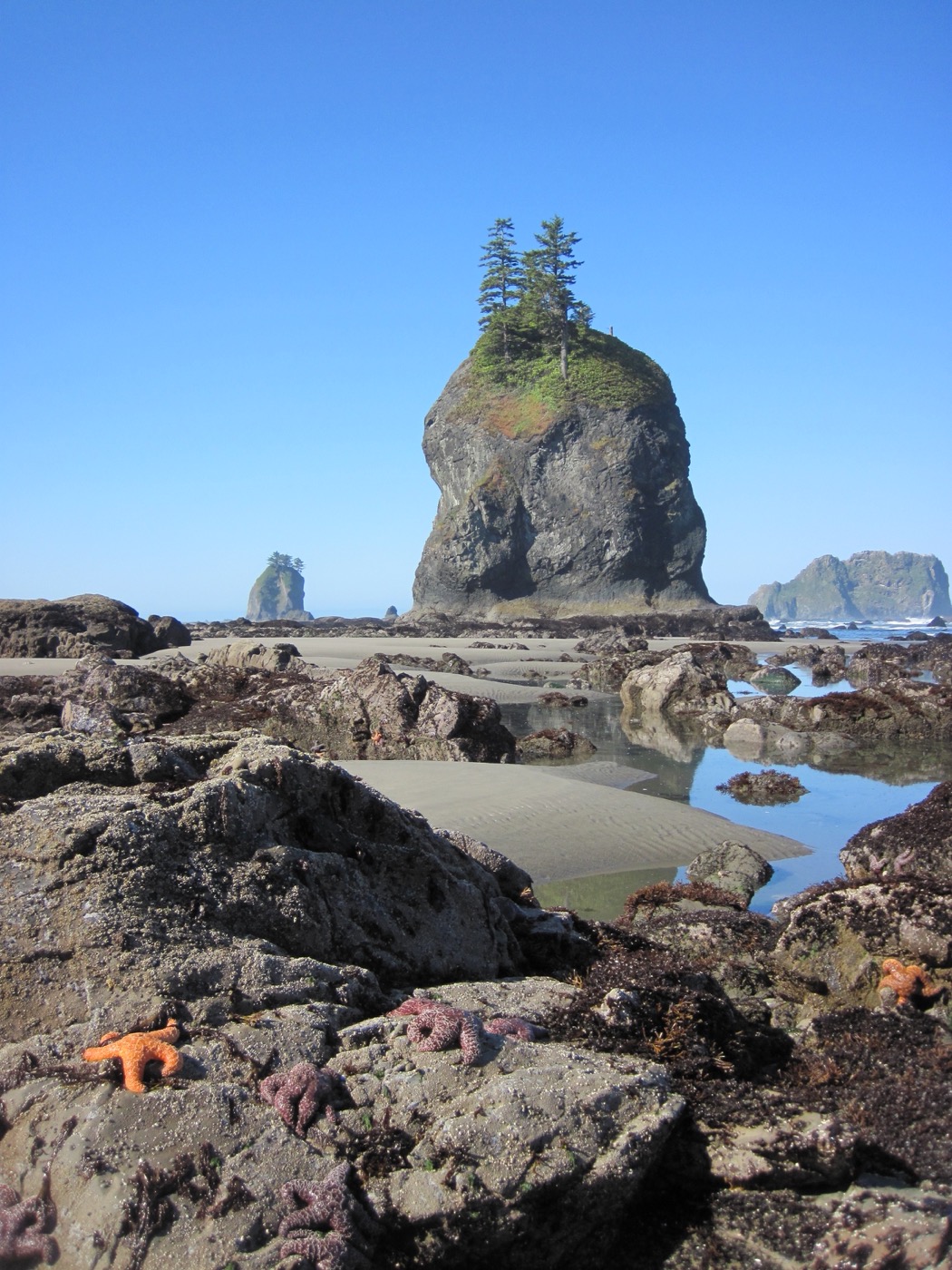
- Kalaloch Lodge, perched on a bluff above the Pacific, is the coast base. Cabins with ocean views, easy beach access for tidepooling, and dramatic gray-weather drama. Open year-round.
- Sol Duc Hot Springs Resort, tucked in the forest with mineral hot-spring pools the kids will love after a hike. Rustic cabins, seasonal (roughly spring through fall).
- Log Cabin Resort, a more casual, cabin-and-RV option on the north shore of Lake Crescent. Good value, simple.
One note: these lodges trade convenience for comfort. Cell service is spotty, rooms are dated by design, and you pay national-park-lodge prices for the location. You're buying the view and the morning, not a spa.
Campgrounds: the budget (and best) option
Olympic has campgrounds in every ecosystem, and they're how you get closest to the park. A few that anchor a trip:
- Hoh Rain Forest: sleep among the moss-draped giants. Reservable in summer and it fills; this is the one to book early.
- Kalaloch: right on the coast for sunset and morning tidepooling. The most popular, reservable in season.
- Sol Duc: forested, near the hot springs and the falls trail. A solid family pick.
- Mora and Fairholme: Mora for beach access near La Push, Fairholme on Lake Crescent's western end.
Pro: cheapest beds, best access, and the rain forest at night is genuinely something. Con: the weather is the whole point of the rain forest, so come ready for damp. Many campgrounds are seasonal, some are first-come, and the popular ones go fast, so check current reservation status before you count on a site.
So where should you actually stay?
If it's your first visit and you want a bit of everything, split your nights: a couple in or near Port Angeles for Hurricane Ridge and Lake Crescent, then a couple on the west side near Forks or Kalaloch for the Hoh and the beaches. Trying to day-trip the whole loop from one town means a lot of windshield time and tired kids. The park rewards people who slow down and let each corner be its own day.
Planning the trip? Nestward builds a day-by-day plan in minutes, free, no subscription. See how it works →