 Nestward
The Best Time to Visit Olympic National Park
A month-by-month guide to crowds, weather, and what's actually open.
Olympic is really three parks in one: glacier-capped mountains, old-growth temperate rain forest, and over 70 miles of wild coastline. That range of elevation and precipitation is the whole appeal, but it also means there's no single "best" time. The right month depends on which Olympic you came for.
The short version
Late July through September is the sweet spot. July, August, and September are the driest months, Hurricane Ridge is fully open, and the high country is finally snow-free. The trade-off is crowds and full campgrounds. If you can stretch to mid-June or early October, you get most of the good weather with thinner trails. Winter is for storm-watchers and snow-players, not casual road-trippers.
Spring (March–May): wet, green, and unpredictable
Spring is when the rain forest looks its most absurdly green, and the lowland trails like the Moments in Time Trail on Lake Crescent are open and quiet. But "wet" is the operative word. Expect rain, and expect snow to linger in the mountains well into the season.
- Crowds: Low through April, building over spring break and into May.
- Weather: Cool and damp at sea level; the high country is still under snow.
- Closures: Hurricane Ridge Road and high-elevation access are weather-dependent and often limited. Many mountain trails are still buried into May or June.
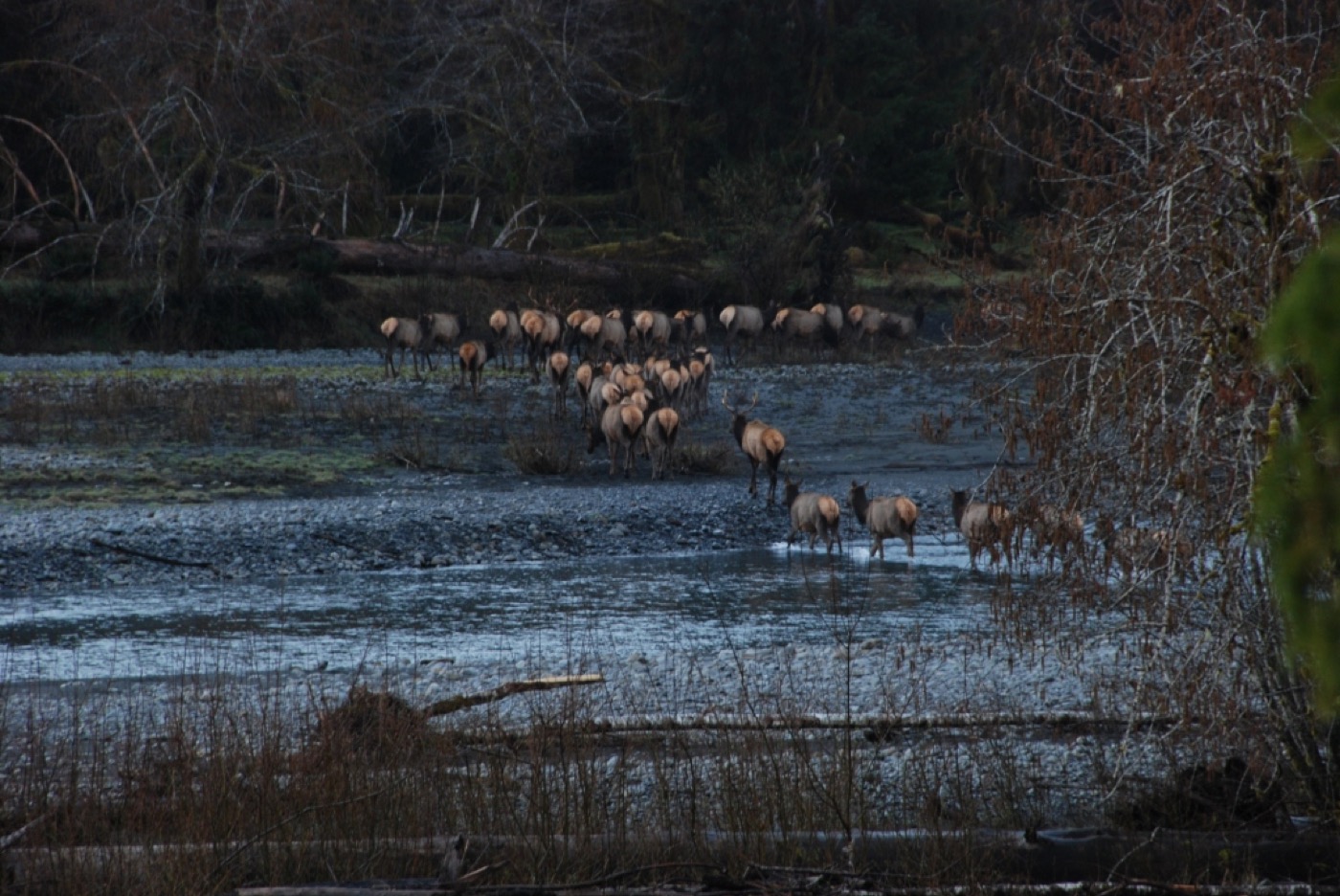
- Good for: Coast walks, Madison Falls, waterfalls running high, and elk on the lowland flats without the summer crowd.
Summer (June–August): the obvious answer, and the busy one
This is the reliable window. Summers are fair and warm, with highs between 65 and 75°F, and July and August are genuinely the driest stretch of the year. The mountains shed their snow, so high-country hiking and backpacking open up. The Hurricane Ridge area, beaches like Rialto and Ruby, and the rain forest are all in play at once.
- Crowds: Peak. Trailhead lots fill early, and campgrounds book out. Arrive at popular spots before 9 a.m. or after 4 p.m.
- Weather: The driest, warmest, most predictable of the year, though the coast stays cool and fog is common.
- Closures: Almost everything is open. Snow can linger on the highest trails into early July.
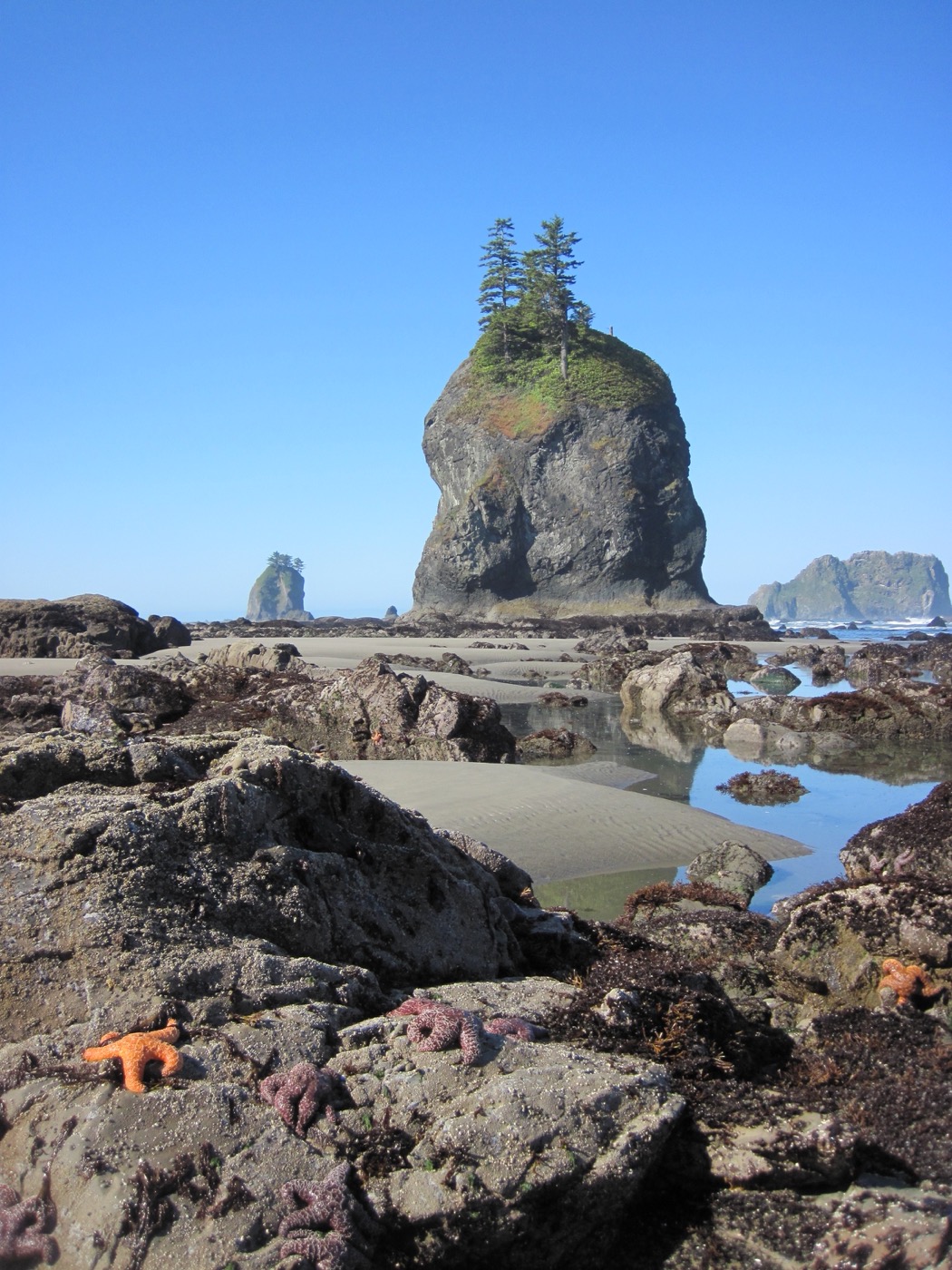
- Good for: Backpacking, tidepooling at low tide, snow play that lingers up high in early summer, and watching for salmon at Salmon Cascades later in the season.
One note for families: the park spreads across the peninsula, and driving between the mountains, the rain forest, and the coast eats hours. Don't try to do all three in a day with kids.
Fall (September–October): the quiet sweet spot
September is the under-appreciated month here. It's still one of the three driest, the summer crowds thin out after Labor Day, and the air gets crisp. October starts the slide back into rain, but early October can still deliver dry, golden days on the lower trails.
- Crowds: Dropping fast after Labor Day. Mid-week in late September is close to ideal.
- Weather: Cooling, with September often dry; rain returns in earnest by mid-to-late October.
- Closures: Mostly open early, but high-elevation services start winding down. Check Hurricane Ridge status before you commit.
- Good for: Roosevelt elk during the fall rut (their bugling is the sound of the season), salmon at Salmon Cascades, and an empty Tidepooling stretch on the Olympic Coast.
Winter (November–February): storms, snow, and short days
Winters are mild at sea level but the mountains get heavy snow. This is a real season at Olympic, just a specialized one. Hurricane Ridge becomes a snow-play and ski destination, and the coast turns dramatic for storm-watching. It is not the time for a casual sampler trip.
- Crowds: Low everywhere except Hurricane Ridge on clear winter weekends.
- Weather: Wet and cool at the coast and in the rain forest; heavy snow up high. Conditions can differ wildly within the park on the same day.
- Closures: Hurricane Ridge Road typically opens only on a limited weekend schedule and only when weather and plowing allow. Many higher roads and facilities close for the season. Always check before driving up.
- Good for: Playing in the snow in the Olympic Mountains, storm-watching on the coast, and a near-empty rain forest if you don't mind getting drizzled on.
So when should you go?
If you want one trip that covers mountains, forest, and coast with the best odds of dry weather, aim for the last two weeks of September: open access, fewer people, and elk season as a bonus. Want a guaranteed snow-free high country and warm days? Go in late July or August and accept the crowds. Chasing the greenest rain forest or a quiet coast, and don't mind rain? Spring and late fall belong to you. Whenever you go, pack for several kinds of weather at once. Olympic always finds a way to deliver more than one.
Planning the trip? Nestward builds a day-by-day plan in minutes, free, no subscription. See how it works →