 Nestward
What to See at Sleeping Bear Dunes
The Lake Michigan highlights actually worth your day.
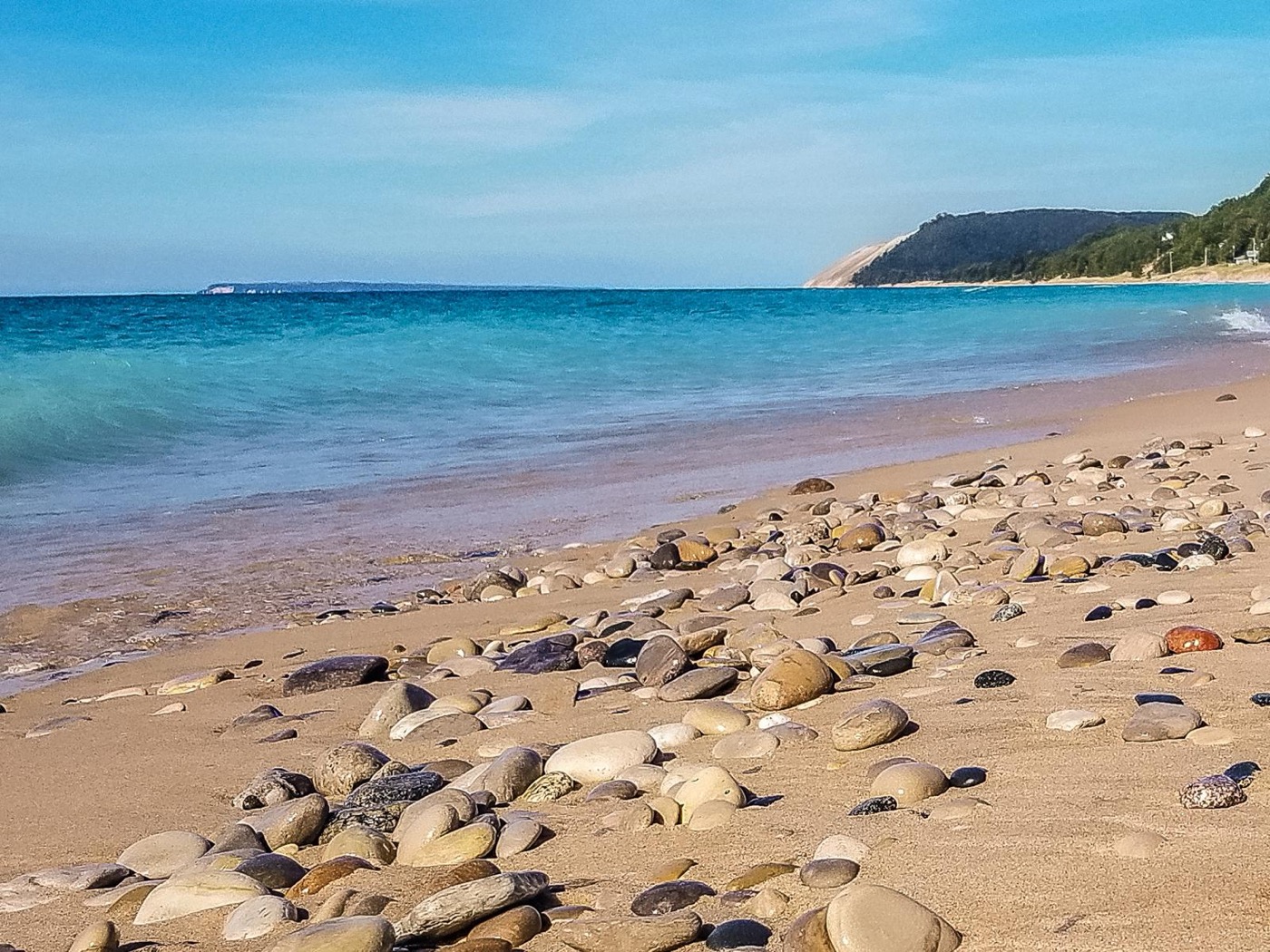
Sleeping Bear Dunes packs bluffs that tower 450 feet above Lake Michigan, clear inland lakes, and miles of sand beach into one stretch of Michigan coastline. You can see the headline views in a single day, but the park rewards two or three. Here's what's worth your time, and how to do it without melting on the sand.
The Dune Climb and the big overlooks
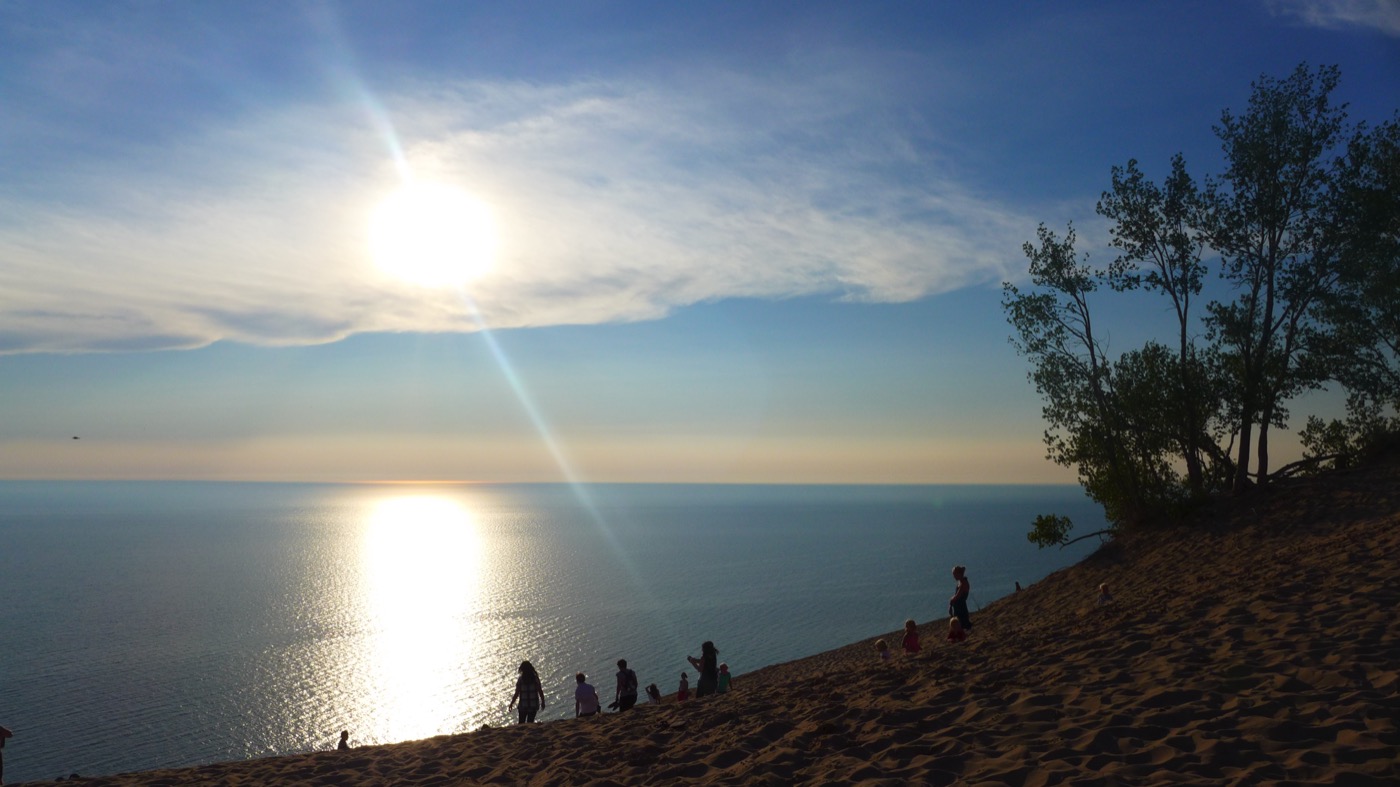
The classic Sleeping Bear experience is hauling yourself up the Dune Climb, a wall of soft sand that kids sprint up and adults regret partway. Climbing to the top takes most people 20 to 40 minutes. The full trek across to Lake Michigan and back is a serious 3.5-mile round trip in deep sand with no shade; turn back at the first crest if anyone's flagging.
For the postcard view without the workout, drive the Pierce Stocking Scenic Drive, a 7.4-mile loop with pull-offs and short boardwalks. The Lake Michigan Overlook here is the famous one, a dune plateau dropping straight to the water far below. The Glen Lakes Overlook on the same loop frames two startlingly blue inland lakes against the forest.
Empire Bluffs and the quieter trails
If you only walk one trail, make it Empire Bluffs Trail, a 1.5-mile round trip through woods that opens onto a bluff-top view of the coastline and the dunes stretching north. It's manageable for most kids, with a short incline and a few stairs near the top, and it's a top sunset spot.
- Pack water and sun protection for every trail. The dunes throw off serious heat on clear days, and heat exhaustion is the park's most common problem.
- Closed-toe shoes beat sandals on the sand, which can be hot enough to burn bare feet in midsummer.
- The Sleeping Bear Heritage Trail is a paved, mostly flat path good for biking with kids and strollers, a calmer option when legs are tired.
Beaches, rivers, and inland lakes
Lake Michigan is the draw, but it's cold and the surf can be rough. For easier swimming, the inland lakes warm up faster. Families float the Crystal River and the Platte River, which are shallow, slow, and tubing-friendly, with outfitters nearby for rentals and shuttles. For a quieter paddle, Loon Lake is good for canoeing, kayaking, and fishing away from the crowds.
For sand-and-swim with less of a climb, North Bar Lake sits just behind the dunes with a small warm lagoon a few steps from the big lake, a favorite with younger kids. Glen Haven Beach is another easy, scenic stretch.
History at Glen Haven and Glen Arbor
Wedged between the dunes and the lake, Glen Haven Historic Village is a restored 19th-century coastal company town. Wander the general store, the blacksmith shop, the Cannery Boat Museum, and the nearby Maritime Museum to see the park's shipping and life-saving past. Most of these buildings run roughly 11 a.m. to 5 p.m. in season and close for the winter, so check hours before you build a day around them.
Planning your visit
The Lakeshore is open 24 hours a day, with an entrance pass required: $25 per private vehicle (good for 7 days), or $20 per motorcycle. Start at the visitor center in Empire on Front Street to grab a map and current trail conditions. Summer is busiest and hottest; mid-September brings peak fall color and thinner crowds; winter swaps the dunes for cross-country skiing and snowshoeing. If you're traveling with kids, ask about the free Junior Ranger program and the digital ParkPuzzler activity.
Planning the trip? Nestward builds a day-by-day plan in minutes, free, no subscription. See how it works →