 Nestward
What to See at Cape Lookout National Seashore
A barrier-island highlights guide for families on North Carolina's Crystal Coast.
First, the catch: there are no bridges here. Cape Lookout is three undeveloped barrier islands sitting two to three miles off the North Carolina coast, and the only way out to the beaches is by boat. Once you make that crossing, you trade roads and gift shops for wild horses, an iconic lighthouse, and some of the darkest night skies on the East Coast.
The Cape Lookout Lighthouse
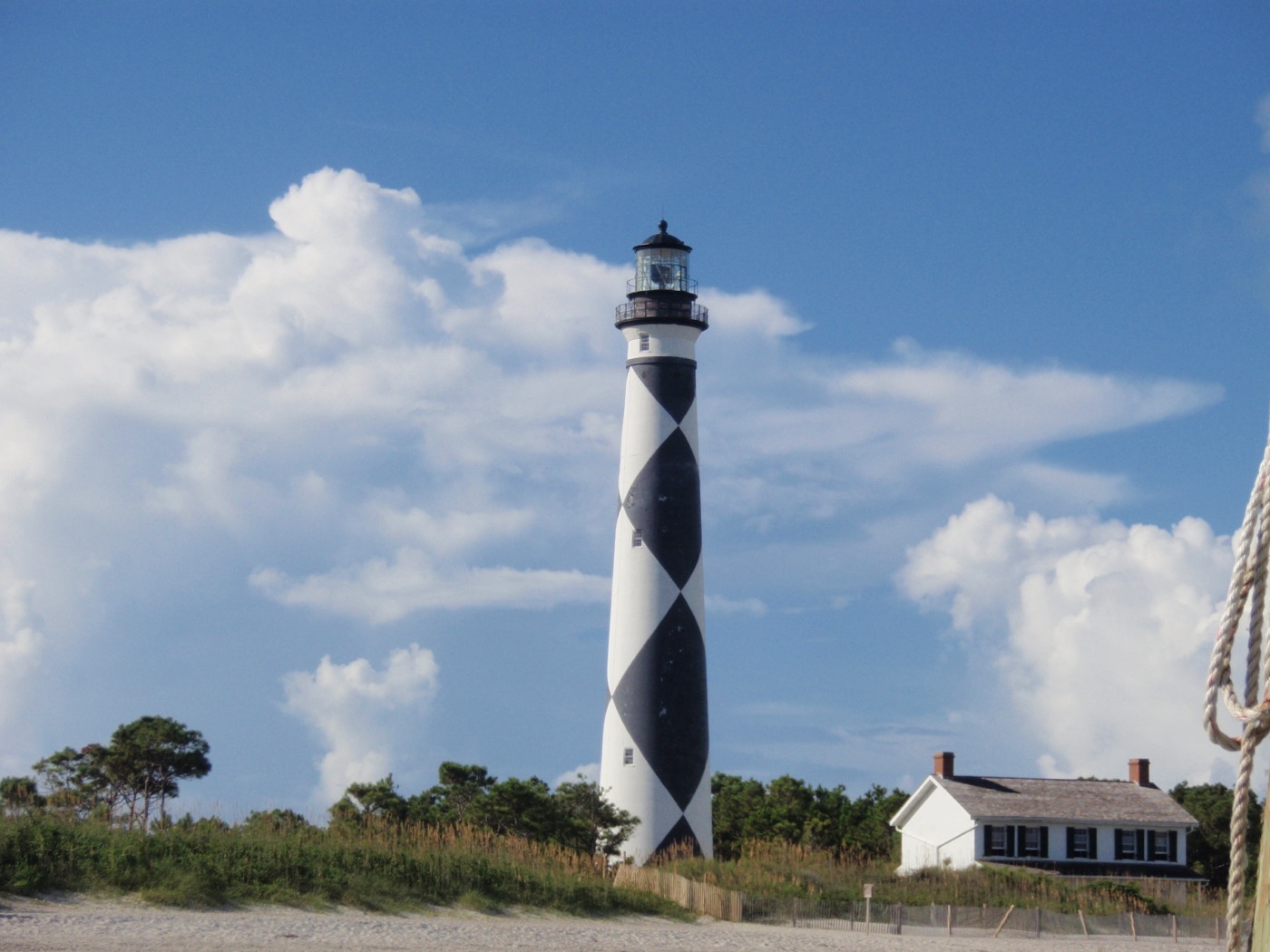
The black-and-white diamond-checkered tower is the signature sight of the seashore, and it's still a working aid to navigation. When the climb is open in summer, visitors can go up to the gallery level (about 14 stories above the ground) for a long view over the shoals and surf. The pattern isn't decoration: the unique paint scheme is how mariners told this lighthouse apart from others along the coast.
Practical note for families: the climb is a tall, steep stack of stairs in summer heat with little airflow, so it's not for everyone, and access can change year to year. Even if you skip the climb, the keepers' quarters and the base of the lighthouse are worth the walk.
Wild Horses and Beach Wildlife
A herd of wild horses roams Shackleford Banks, the southernmost island, and watching them is one of the park's biggest draws. They are genuinely wild. The rule is to stay at least 50 feet back and never feed them. Bring binoculars and let the kids spot them from a respectful distance.
- Sea turtles: Four species nest on these beaches, including loggerheads. Nesting and hatching happen in the warmer months, which is part of why the islands stay so dark at night.
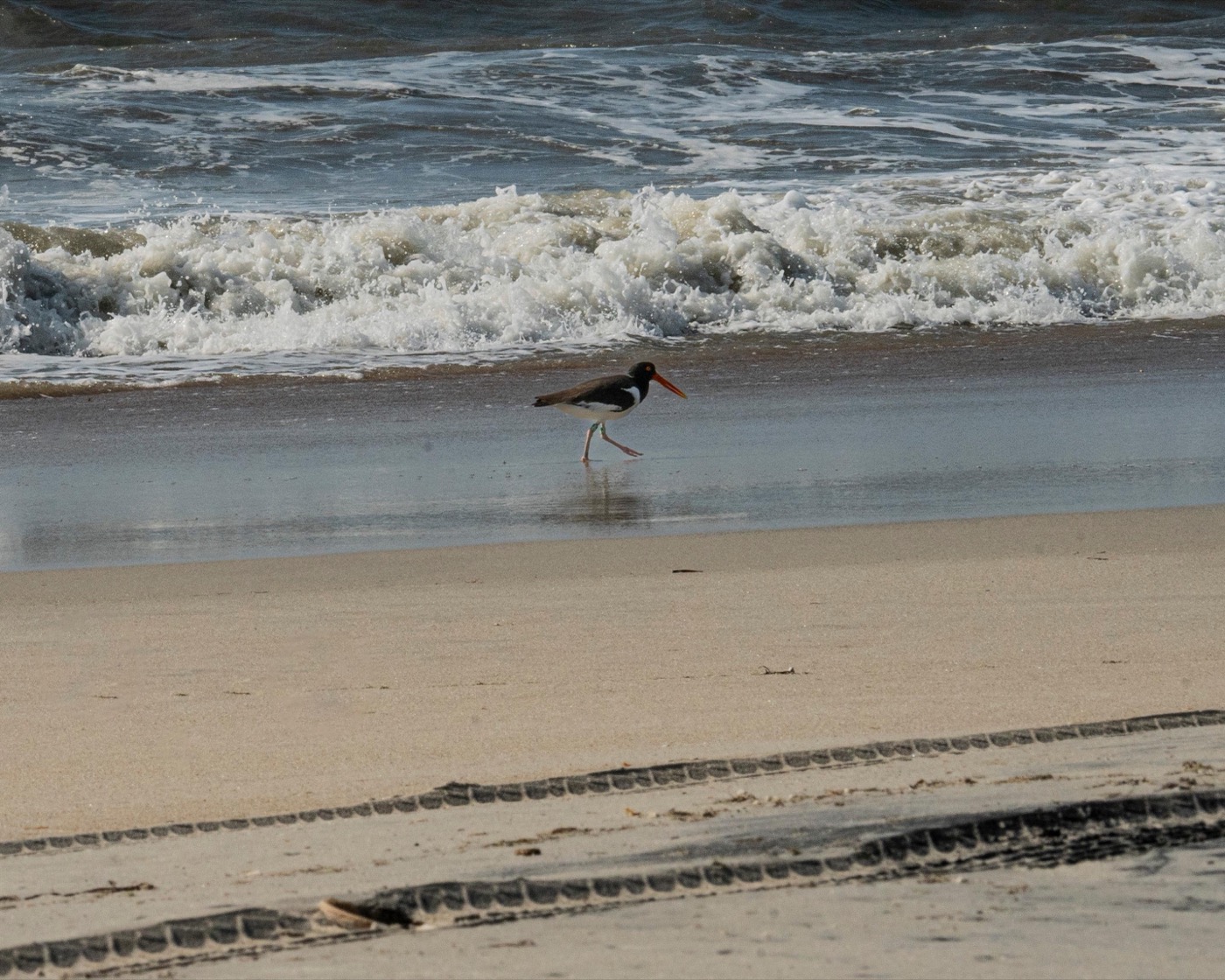
- Shorebirds: Look for the orange-billed American Oystercatcher working the tide line. The seashore is a stronghold for several protected species.
- Shelling: Because so few people make the crossing, the beaches are loaded with whole, unbroken shells. It's one of the best shelling spots on the Atlantic, and it costs nothing but a slow walk down the beach.
Dark Skies and Stargazing
Cape Lookout is a sanctuary for natural darkness on the East Coast, a rare thing this far up the seaboard. On a clear night you can see the Milky Way stretch all the way across the sky. The NPS even keeps the Harkers Island Visitor Center parking lot lights off after dark for this reason, and the picnic-area lot across the road is another easy, paved spot to look up.
You don't have to camp to enjoy it: both visitor-center lots are level, paved, and reachable by car without a boat. Bring a blanket, binoculars, and a red-light flashlight to keep your night vision. If you camp out on the islands in summer, you may even catch a faint glow of bioluminescence in the water.
On the Water: Kayaking, Fishing, and the Sounds
The crossing itself is part of the experience. Core Sound and Back Sound are shallow and protected, and under good conditions even novice paddlers can cross by kayak or canoe. A natural launch sits by the picnic area across from the Harkers Island Visitor Center (not the boat basin, which is off-limits to kayaks). Filing a quick float plan is requested, and it's a smart habit anyway.
Saltwater fishing is excellent from the surf and the marshes, and kayak fishing has taken off here because paddlers can reach water that powerboats can't. Beach driving is allowed with the proper permit, which is how a lot of anglers and campers move gear down the long, empty banks.
Know Before You Go
This is a remote, undeveloped park, and that's the whole point, but it means you have to come prepared.
- Bring everything. There are no stores on the islands. Pack all your food, water, sun protection, and shade, and carry your trash back out with you.
- Plan the boat. Passenger ferries and private boats run from gateway towns like Harkers Island and Beaufort. The Harkers Island Visitor Center is the mainland hub, and you can reach it by car without a ferry.
- Mind the season. Summer runs 80–100°F with high humidity and almost no shade; spring and fall are milder but windier. The islands are technically open 24/7, year-round, weather permitting. Services are not.
- Entrance is free. There's no entrance fee for the seashore itself; your cost is the boat ride and any camping or permit fees.
Planning the trip? Nestward builds a day-by-day plan in minutes, free, no subscription. See how it works →