 Nestward
Redwood With Kids
A family guide to the world's tallest trees, paced for short legs.
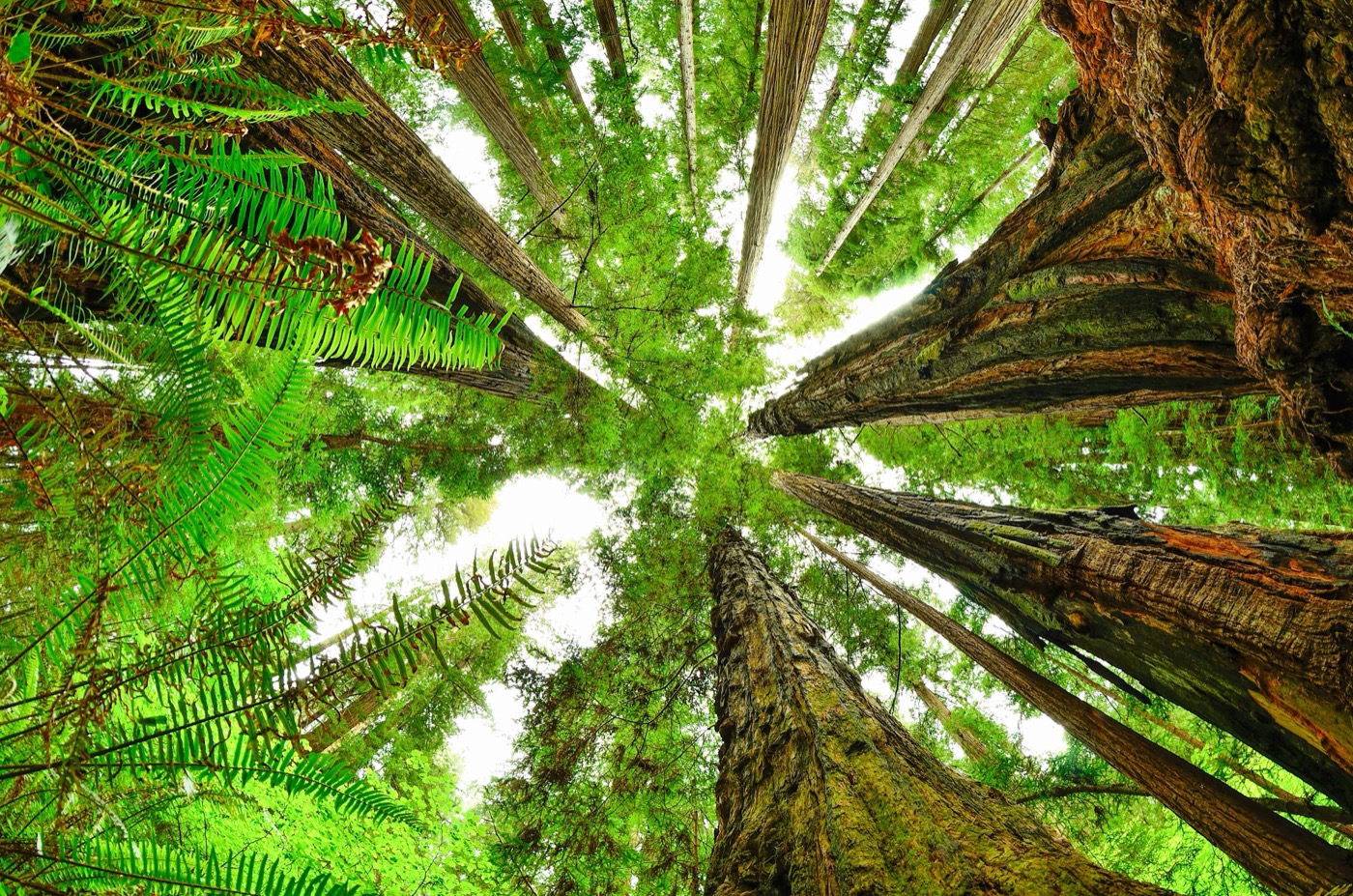
Redwood National and State Parks, in northernmost coastal California, is renowned for the world's tallest trees, but its landscapes also span open prairies, oak woodlands, rivers, and forty miles of untamed coastline. The good news for families: most of the jaw-dropping groves are flat, short, and stroller-friendly. The catch: it's often cool, damp, and foggy, even in July, so pack like you'll get rained on.
Best groves for short legs
You do not need to hike far to feel small here. The headline walks are easy, mostly level, and stuffed with 300-foot trees from the first step.
- Lady Bird Johnson Grove: a roughly mile-long loop on a soft path, reached by a footbridge over the road. Frequently fog-wrapped, which kids find more magical than spooky.
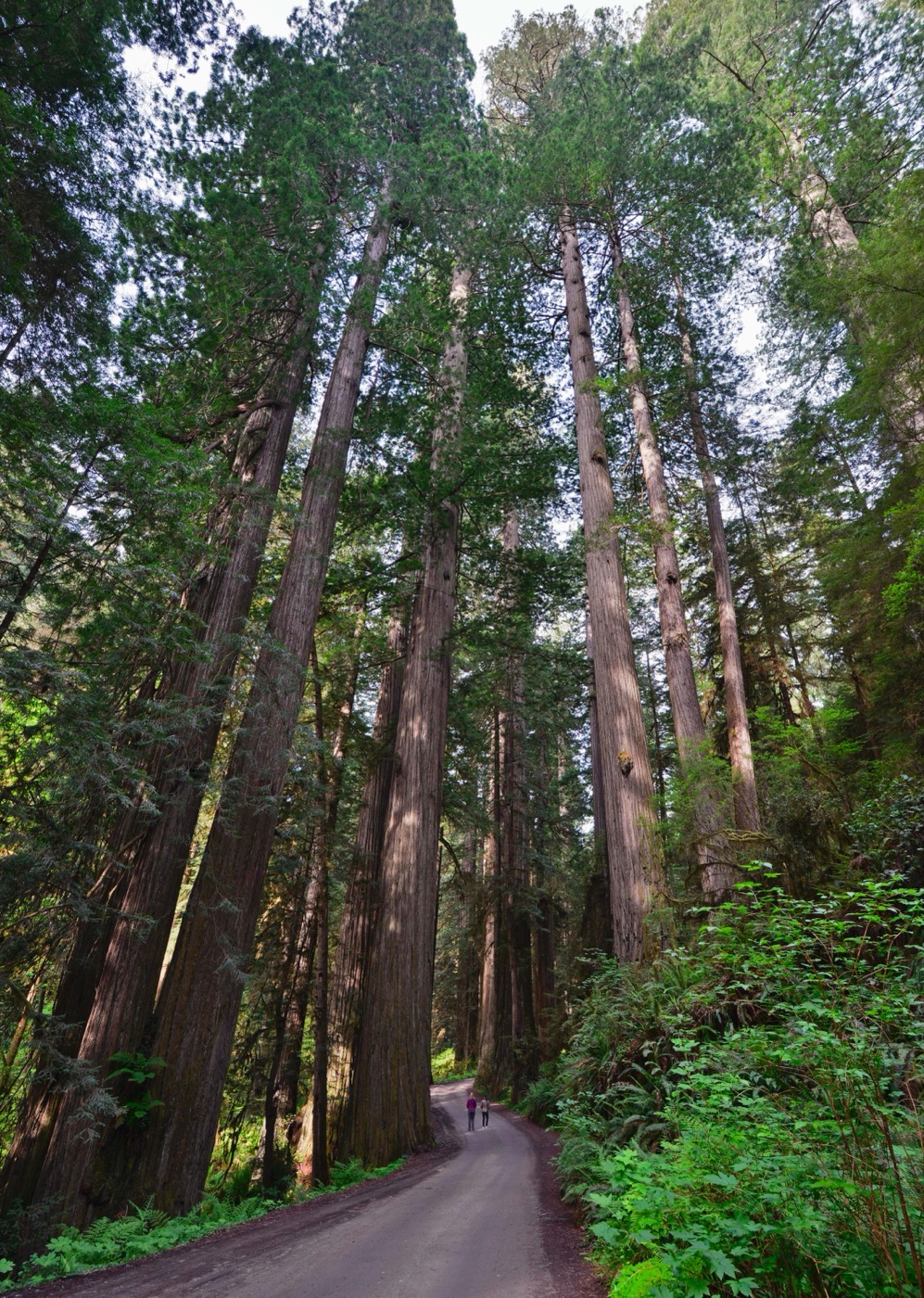
- Stout Memorial Grove: a short, flat loop among some of the densest old growth in the park. Reached via narrow Howland Hill Road (a slow, scenic dirt drive, small cars only, no RVs or trailers).
- Simpson-Reed Trail: a quick, ferny stroll near Crescent City. A solid first walk for tired or skeptical kids.
- The "Big Tree" wayside: barely a walk at all, just a very photogenic giant a few steps from parking. Good when you're short on time or patience.
- Trillium Falls Trail: slightly longer at around two and a half miles, with a small waterfall as the payoff. A fair "first real hike" for grade-schoolers.
Beyond the trees: beaches, elk, and Fern Canyon
The redwoods are the draw, but the variety is what keeps kids engaged across a multi-day trip.
- Watch wild elk. Roosevelt elk gather in the prairies near Prairie Creek and Gold Bluffs Beach. They're genuinely wild and surprisingly large. Watch from a safe distance and never get between an adult and a calf.
- Go tide pooling at Enderts Beach. Low tide reveals anemones, crabs, and sea stars. Check a tide chart first, bring grippy shoes, and look but don't pocket.
- Walk the Fern Canyon Loop. Emerald walls of ferns over a creek bed, short and unforgettable, but expect wet feet and summer crowds. Access can require a permit and a rough road; check conditions before you commit.
- Gold Bluffs Beach: wide, windswept sand often shared with elk. Great for running off energy.
The Junior Ranger program is worth it
Pick up a free Junior Ranger booklet at any of the four visitor centers (spread across the 60-mile-long park, north to south). Kids complete activities as you go and get sworn in with a badge. It turns a "look at the big tree" walk into a scavenger hunt, which buys you a lot of cooperation. Time it so you can return a finished booklet to a ranger before you leave.
Realistic pacing and weather notes
Two or three days is plenty for a family. Cluster your walks by area rather than crisscrossing the park's full length in a day. The visitor centers are far apart.
- Dress for damp. Year-round temps hover from the mid-40s to mid-60s. Summer is often foggy with highs only in the low 70s; October through April brings 60–80 inches of rain. Pack layers, rain shells, and a spare pair of socks per kid.
- The forest floor is dim. Even sunny days feel cool and shadowy under the canopy. A light jacket beats shorts.
- Roads matter. Howland Hill and the Fern Canyon approach are narrow, slow, and unpaved. Budget extra time and skip them entirely if you're towing anything.
- Off-season gaps. The parks are always open, but some campgrounds and visitor centers close or cut hours October through May. Confirm before you count on a specific restroom or center.
- There's no entrance fee. One less thing to juggle at the gate.
Planning the trip? Nestward builds a day-by-day plan in minutes, free, no subscription. See how it works →