 Nestward
A First-Timer's Guide to Redwood National and State Parks
The tallest trees on Earth, and how to actually plan a first visit.
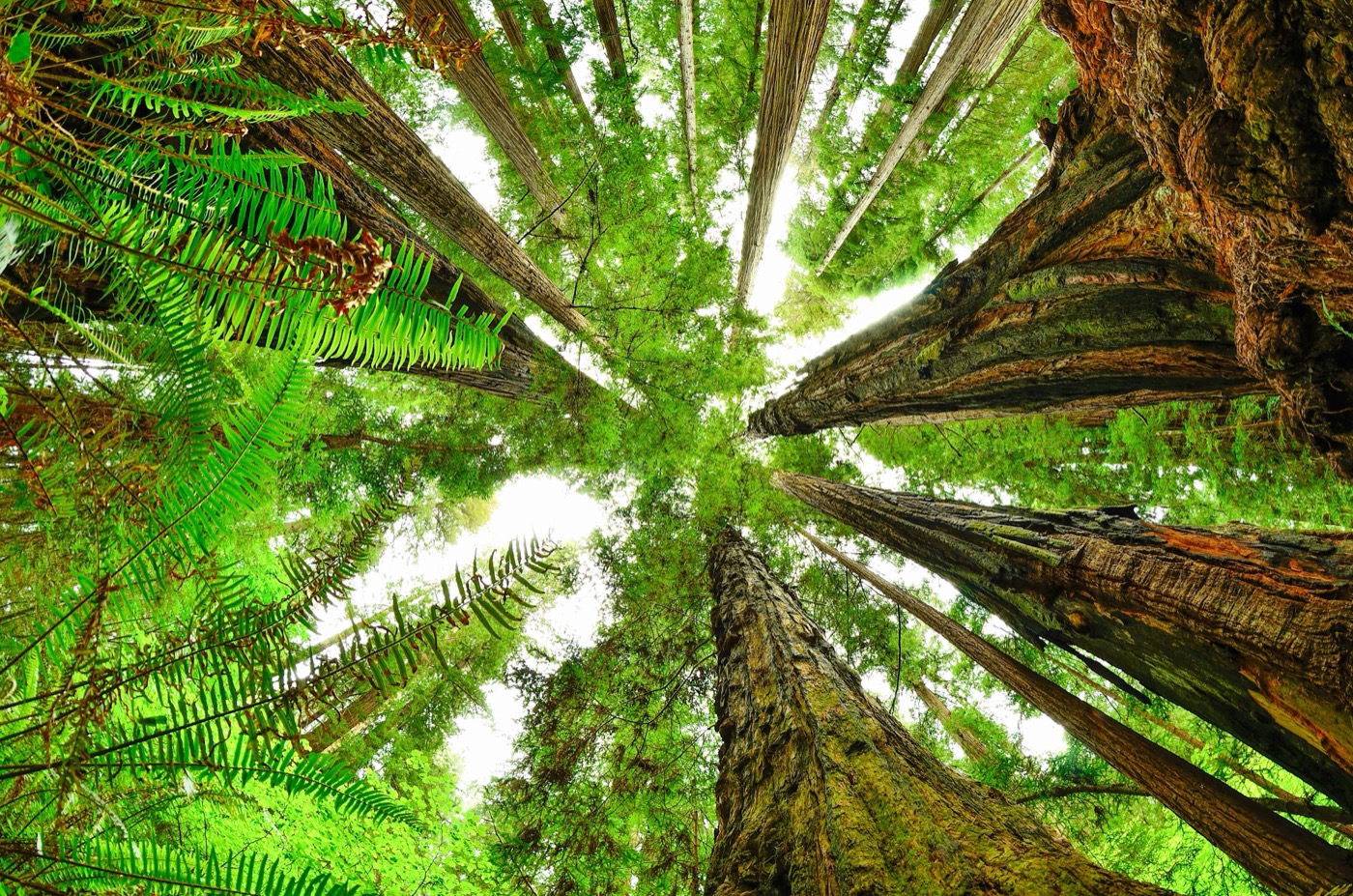
Redwood is renowned for the world's tallest trees, with landscapes that span from open prairies and oak woodlands to pristine rivers and untamed coastline. Here's the full picture: it's remote, it's often foggy and damp, and the magic is in slowing down and looking up. Not in racing a checklist. Plan a little, and a first visit lands somewhere between a cathedral and a beach day.
First, the one thing that confuses everyone
"Redwood" is actually Redwood National and State Parks, a patchwork the National Park Service and California State Parks manage together. It stretches about 60 miles up the northernmost coast of California, almost to the Oregon border, with four visitor centers from north to south. There's no single gate and, refreshingly, no entrance fee to the national park. Some state-park areas (like Gold Bluffs Beach / Fern Canyon) charge a day-use fee and may require a permit in summer. Check before you go.
It's far from everything: roughly a six- to seven-hour drive (325 miles) north of San Francisco, six hours south of Portland, and four hours west of Redding. Most people fly into a regional airport or build it into a longer coastal road trip. Crescent City and Klamath are your main basecamps.
When to go
The parks are open all day, year-round; roads and trails stay open even in the off-season. The catch is weather. This is a temperate rainforest: expect cool, damp, layered days. Year-round temperatures hover from the mid-40s°F to mid-60s°F.
- Summer (the busy season): mildest and driest, with highs occasionally reaching the low 70s, but famously foggy. That fog isn't a bug; it's literally what keeps the redwoods alive. Visitor centers and campgrounds are fully open.
- Fall: a sweet spot. Thinner crowds, maples and oaks showing color, and rain hasn't fully set in yet.
- Winter and spring: quiet and green, but wet. The region averages 60–80 inches of rain from October through April. Some campgrounds and visitor centers close or run reduced hours.
Whatever the month: dress in layers and expect to get a little wet. Nobody regrets a rain shell here.
The best first hikes
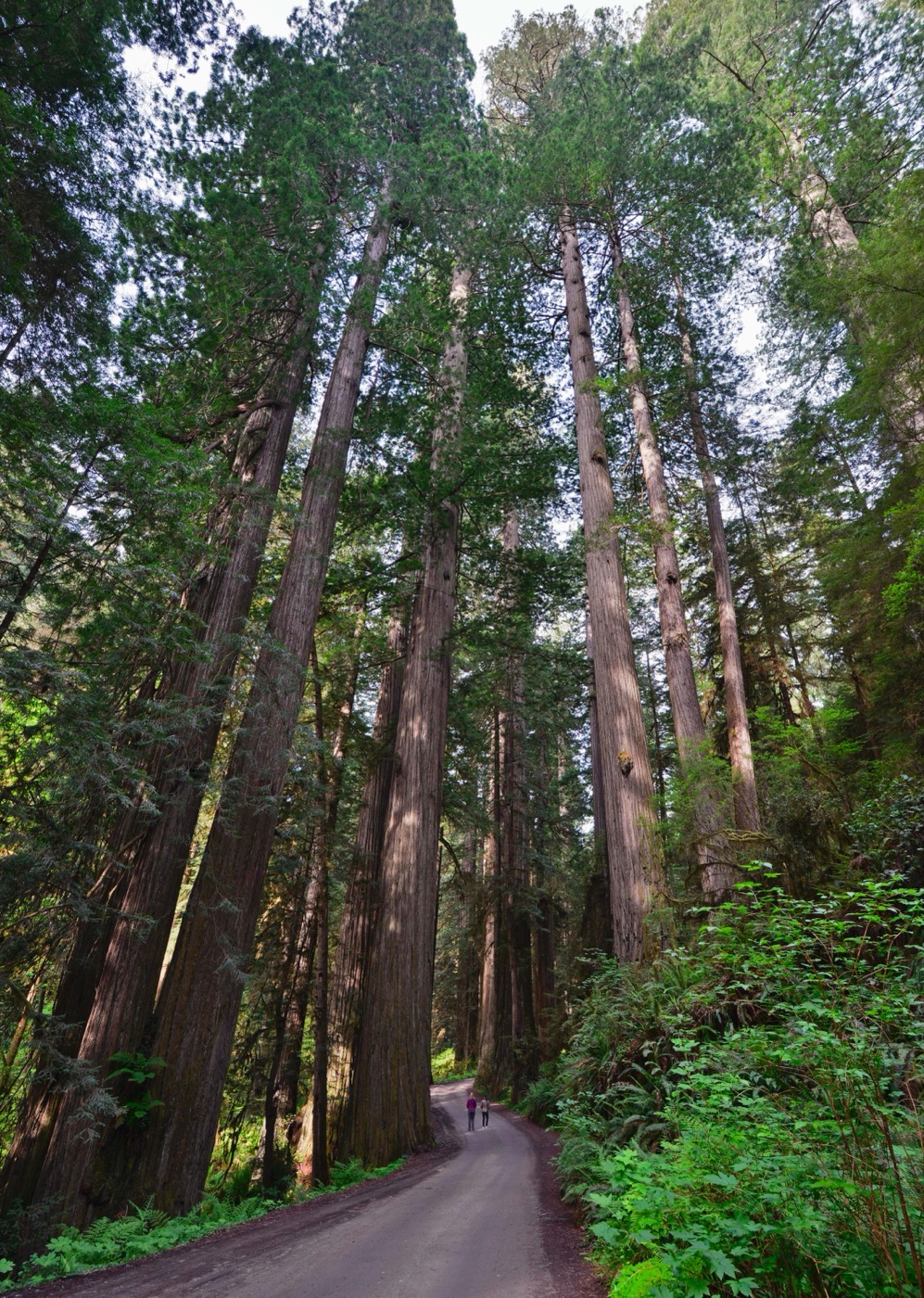
For a first visit, you want short, jaw-dropping, low-effort walks through old-growth groves. Start here:
- Walk the Lady Bird Johnson Grove. An easy loop through old-growth giants, often wrapped in summer fog. A footbridge crosses the road to reach it. This is the classic, accessible "welcome to the redwoods" hike.
- Walk the Stout Memorial Grove Trail. A short, flat stroll among some of the most photogenic trees in the park, near the Smith River. Reached via the narrow, century-old Howland Hill Road (small cars only, no RVs).
- Stroll the Simpson-Reed Trail. A compact loop in the north end, dense and lush, a lot of awe for very little walking.
- Walk the Fern Canyon Loop Trail. Sheer canyon walls draped in ferns, with a creek running through. It's spectacular and very popular in summer. Expect crowds, possible permits, and wet feet.
- Hike the Boy Scout Tree Trail. A longer, quieter walk off Howland Hill Road for when you want to leave the crowds behind and earn your solitude.
Short on time? The "Big Tree" wayside off the parkway gives nearly everyone easy access to one very wide, very photogenic redwood, just a few steps from the car.
Beyond the trees: coast, elk, and kids
Redwood protects 40 miles of rugged coastline, and it's worth a stop. Go tide pooling at Enderts Beach at low tide, or pull over at the Klamath River Overlook to scan for whales. Keep an eye on the prairies, too. You'll likely watch wild elk grazing near the road (give them plenty of room; they're big and unbothered by you).
Traveling with kids? Pace it as two or three short walks with a beach or picnic break between, not a forced march. Trillium Falls is a popular, easy, family-friendly walk to a small cascade. And grab a free Junior Ranger booklet at a visitor center. It turns the whole grove into a scavenger hunt and gives small legs a reason to keep moving.
A word on dogs
If you're bringing a dog, plan around it. Like most national parks, Redwood keeps pets out of the old-growth groves and off nearly all trails. They're generally allowed only in developed areas like roads, parking lots, picnic areas, campgrounds, and some beaches, and must stay leashed. That means the marquee redwood walks are off-limits to dogs. It's not the place for a hiking-with-the-pup trip; if your dog comes along, you'll be trading off who stays back at the car.
Planning the real thing? Nestward builds a day-by-day plan for this park in minutes, free, no subscription. See how it works →