 Nestward
One Day in Rocky Mountain National Park
A dawn-to-dusk route through Colorado's high country, built for one good day.
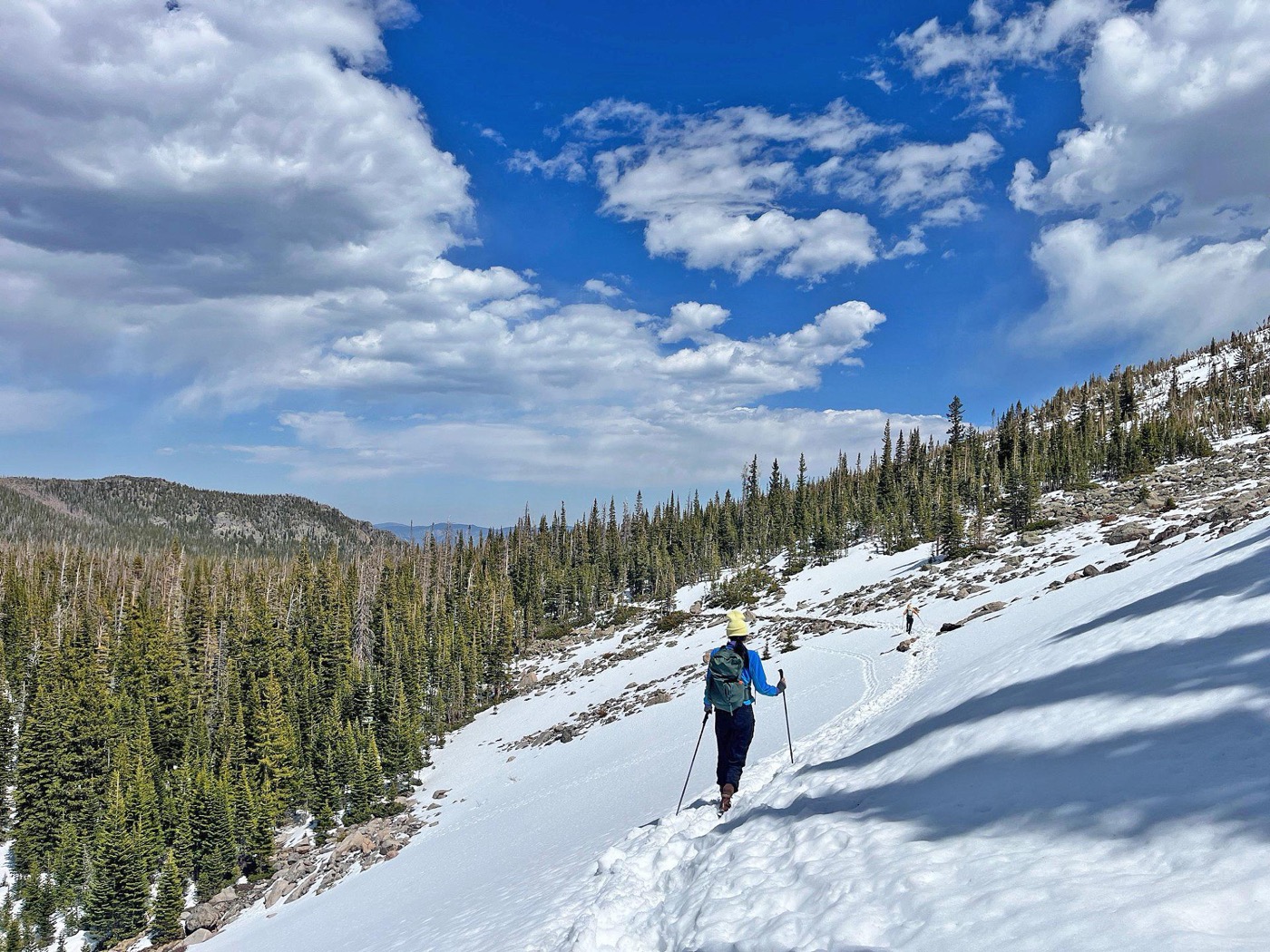
Rocky Mountain packs 415 square miles of meadows, alpine lakes, and 14,000-foot peaks into a park you can reach in 90 minutes from Denver. You can't see all of it in a day, but you can see the best of it if you start early and accept that the mountain runs on its own schedule. Here's a route that works.
Before you go: the reservation is the whole ballgame
In peak season (late spring through mid-October), Rocky uses a timed-entry permit system on top of the regular entrance fee. The Bear Lake Road corridor (where most of this itinerary happens) needs its own permit, and those sell out. Book on recreation.gov the moment they release, and grab the earliest morning window you can.
- Entrance fee: $35 for a 7-day vehicle pass, or $30 for a single day. The timed-entry permit is a separate small reservation fee.
- The park is open 24 hours a day, year-round, but Trail Ridge Road closes for winter (typically late October to late May).
- Easternmost gateway is Estes Park; the quieter west side is reached through Grand Lake.
Morning: Bear Lake at first light
Get to the Bear Lake parking area early. It fills before most people have finished their coffee. The lake itself is a flat, easy half-mile loop with a postcard view of Hallett Peak, which means it's perfect for kids and grandparents and anyone still adjusting to the altitude. Do the full loop, then decide how much further your group has in them.
If the kids are game, the trail network from Bear Lake climbs to a string of alpine lakes. Keep the pacing realistic: at 9,400 feet, a "short" hike feels longer than the map suggests. Plan frequent water breaks, pack more snacks than seems reasonable, and turn around before anyone melts down. A shorter happy hike beats a longer miserable one.
Midday: drive Trail Ridge Road
This is the part you'll remember. Trail Ridge Road climbs above 12,000 feet (the highest continuous paved road in any U.S. national park) and pulls over at a series of overlooks like Rainbow Curve where the whole range opens up below you. Stop at the Alpine Visitor Center near the top, where you're standing in genuine tundra above the treeline.
- It's cold up there. Even in July, the summit can be 30 degrees colder than the trailhead. Bring layers for everyone.
- The thin air hits some kids (and adults) harder than others. Go slow, drink water, and don't power through a headache.
- If the weather's been dry and you want something wilder, the one-way gravel Old Fall River Road is a slower, more old-fashioned climb to the same Alpine Visitor Center.
Afternoon: meadows, elk, and the long light
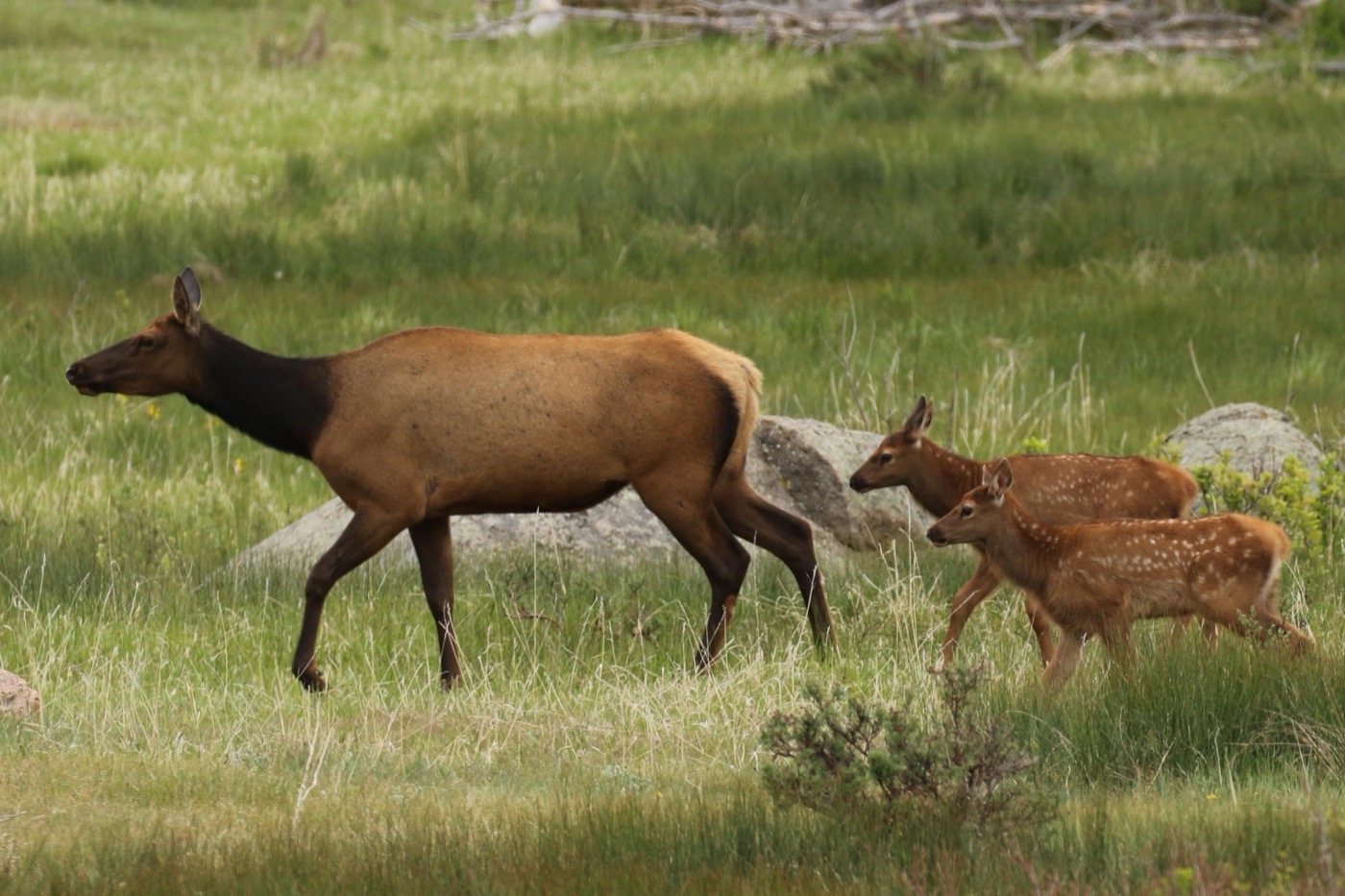
Come back down and trade alpine drama for wide-open meadows. Rocky is genuinely one of the best places in the country to watch elk, along with mule deer and the occasional moose on the west side. Late afternoon into evening is prime time. Pull into a meadow viewpoint, stay in or near the car, and keep a respectful distance. This is wild country, not a petting zoo.
For a low-key finish, the Holzwarth Historic Site on the west side is a flat, easy walk to a preserved 1920s dude ranch, a nice change of pace when little legs are done climbing. Families with younger kids should grab a free Junior Ranger booklet early in the day; Hidden Valley is a designated spot to explore and finish the badge.
One note about dogs
Leave them home. Rocky Mountain prohibits pets on every trail in the park. That's the official rule, not a suggestion. Dogs are limited to roadsides, parking areas, picnic spots, and campgrounds, always leashed. With the heat in a parked car and the altitude, a day here is no fun for a dog anyway. This is a park to visit without them.
Planning the real thing? Nestward builds a day-by-day plan for this park in minutes, free, no subscription. See how it works →