 Nestward
One Day in Rocky Mountain National Park
A friend's plan for making one day count in Colorado's high country
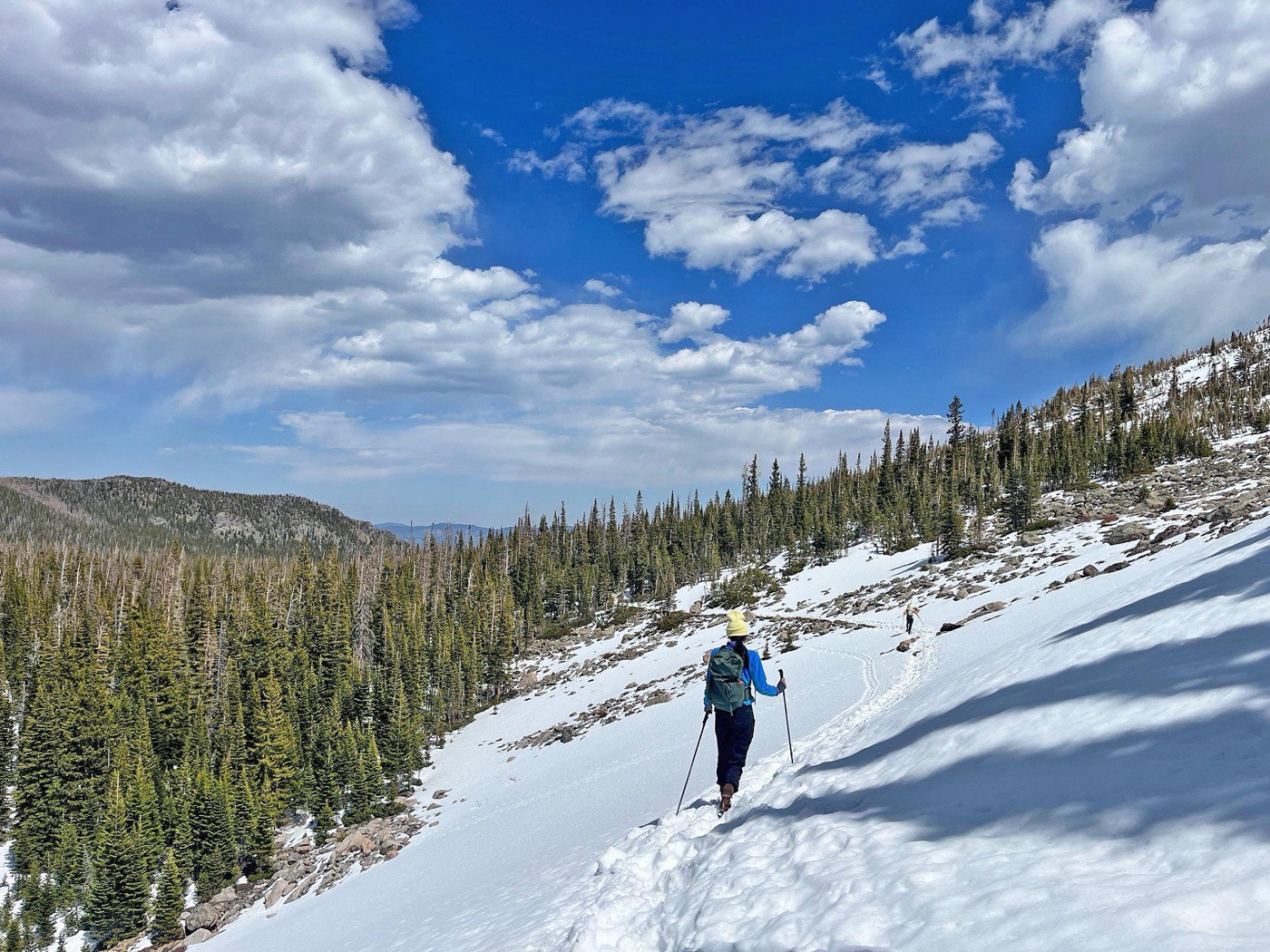
Rocky Mountain National Park covers 415 square miles, runs from 7,800 feet to over 14,000, and packs in more than 300 miles of trails. You can't see it all in a day, but you can see a genuinely great slice of it if you start early and don't try to do everything. Here's how to spend one day without spending half of it stuck in line.
Before you go: the timed-entry reservation
This is the one thing that trips people up. In summer, Rocky uses a timed-entry permit system on top of your entrance fee. You reserve a window to enter the park, usually through recreation.gov, and they sell out. If you're coming May through October, sort this before you drive up. Showing up at the gate without one often means waiting until afternoon to get in.
- Entrance fee is separate: $35 for a 7-day vehicle pass, or use an America the Beautiful pass.
- The Bear Lake Road corridor usually needs its own, stricter reservation. If Bear Lake is your priority, book that one.
- The park is open 24 hours a day, year-round. The reservation system is the bottleneck, not the gate.
Morning: Bear Lake and an early trail
Get to the Bear Lake area early, like 7 a.m. early. The parking lot fills fast, and an early start buys you cool air, calmer water, and a shot at wildlife. Bear Lake itself is a short, flat loop right from the parking area, which makes it the easiest big payoff in the park for families and tired legs alike.
If your group has more in the tank, the trails fanning out from Bear Lake reach a string of alpine lakes. Start there, turn around whenever you've had enough, and remember you're above 9,000 feet. Kids and adults both gas out faster than they expect up here.
Midday: drive Trail Ridge Road
Trail Ridge Road is the headline scenic drive, and it earns it. It climbs above the treeline past Rainbow Curve and tops out over 12,000 feet, the highest continuous paved road in any U.S. national park. Pull over often. The overlooks are the point, and the tundra up top feels like another planet.
- It's seasonal. The high stretch is typically closed by snow until late May or early June and shuts again in fall. Check the road status the morning of.
- Up top it's cold and windy even in July. Bring a jacket regardless of the valley weather.
- For a quieter, slower alternative, Old Fall River Road is a one-way gravel climb: narrow, no guardrails, and not for nervous drivers, but gorgeous.
Afternoon: wildlife, an easy stop, or a picnic
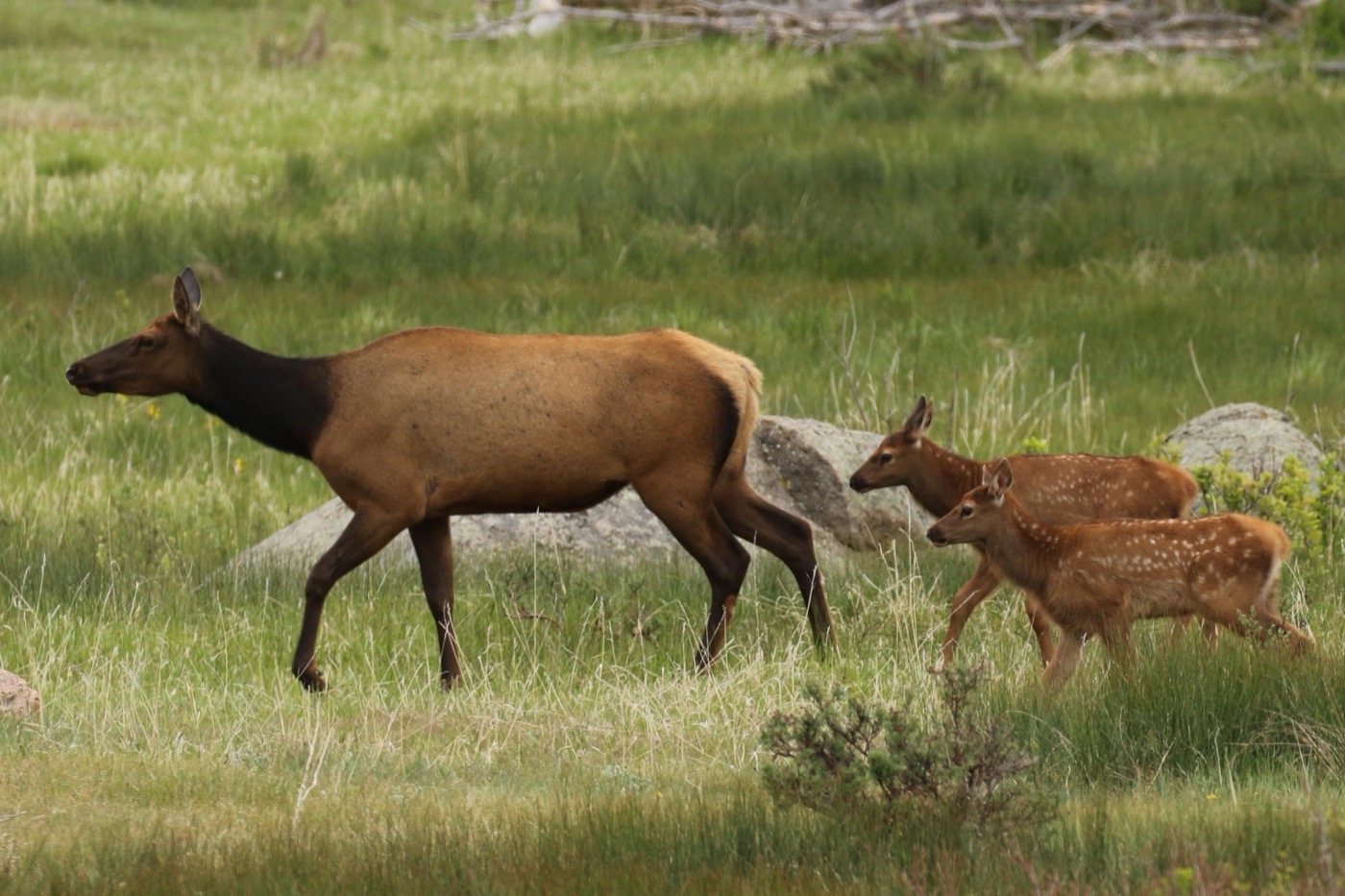
By afternoon the crowds and the altitude have usually caught up with everyone, so plan something low-key. Rocky is home to elk, mule deer, and more, and the open meadows are prime viewing. Keep a safe distance and never get between an elk and its calf. Families can break up the day at the Hidden Valley Junior Ranger headquarters (open for the summer season, roughly mid-May through early October), or stretch out at the Beaver Creek Picnic Area.
On the park's west side near Grand Lake, the Holzwarth Historic Site is a flat, easy walk to a preserved 1900s dude ranch, a good change of pace if you entered from that direction. Note that pets are prohibited on all trails in the park, so plan around that if you've brought the dog.
Realistic pacing notes
- Altitude is real. Drink more water than feels necessary, go easy the first few hours, and don't schedule your hardest hike for after the Trail Ridge climb.
- Weather flips fast. Afternoon thunderstorms are common in summer; get off exposed tundra and high peaks before they roll in.
- Pick a side and a priority. One day is enough for either Bear Lake plus Trail Ridge, or a relaxed west-side loop. Not both ends of a 415-square-mile park.
Planning the real thing? Nestward builds a day-by-day plan for this park in minutes, free, no subscription. See how it works →