 Nestward
One Day in Bryce Canyon
A focused, sunrise-to-stars plan for the hoodoo capital of the world.
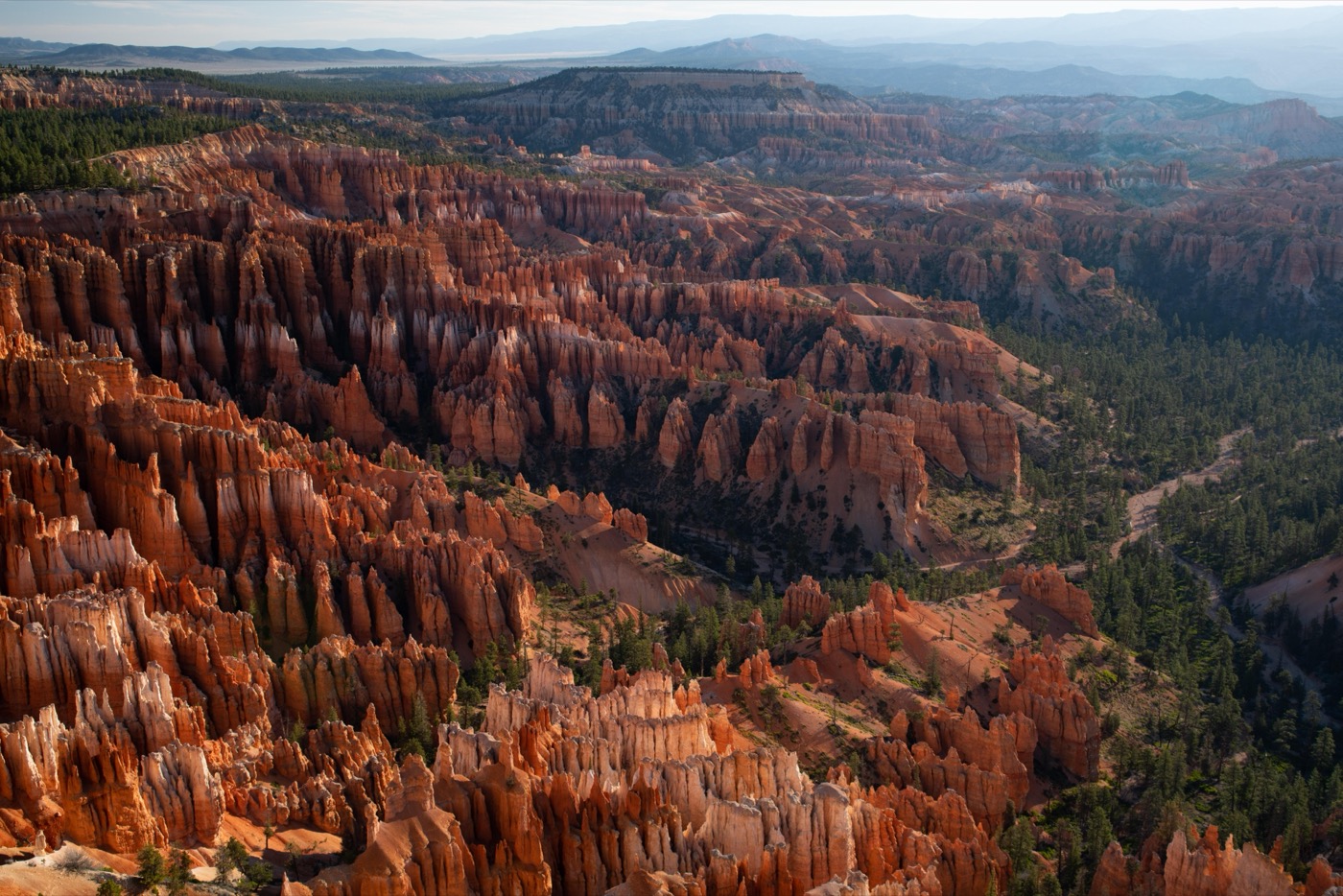
Bryce Canyon holds the largest concentration of hoodoos — those irregular columns of rock — found anywhere on Earth, and one day is genuinely enough to see the best of it. The park is small and concentrated along a single high plateau road, which is exactly what makes a single day work here. The catch is the elevation: you're standing at 8,000 feet on the rim, so plan for thin air, cold mornings, and a body that tires faster than it does at home.
Start at the rim for sunrise
The whole park is built around the Bryce Amphitheater, and the viewpoints along the first three miles of the park road — Sunrise, Sunset, Inspiration, and Bryce Point — are where the hoodoos light up. Get there for sunrise if you can stand the early alarm. Low-angle light turns the rock from dull tan to glowing orange, and the rim is paved and flat, so it's an easy win before you've had coffee.
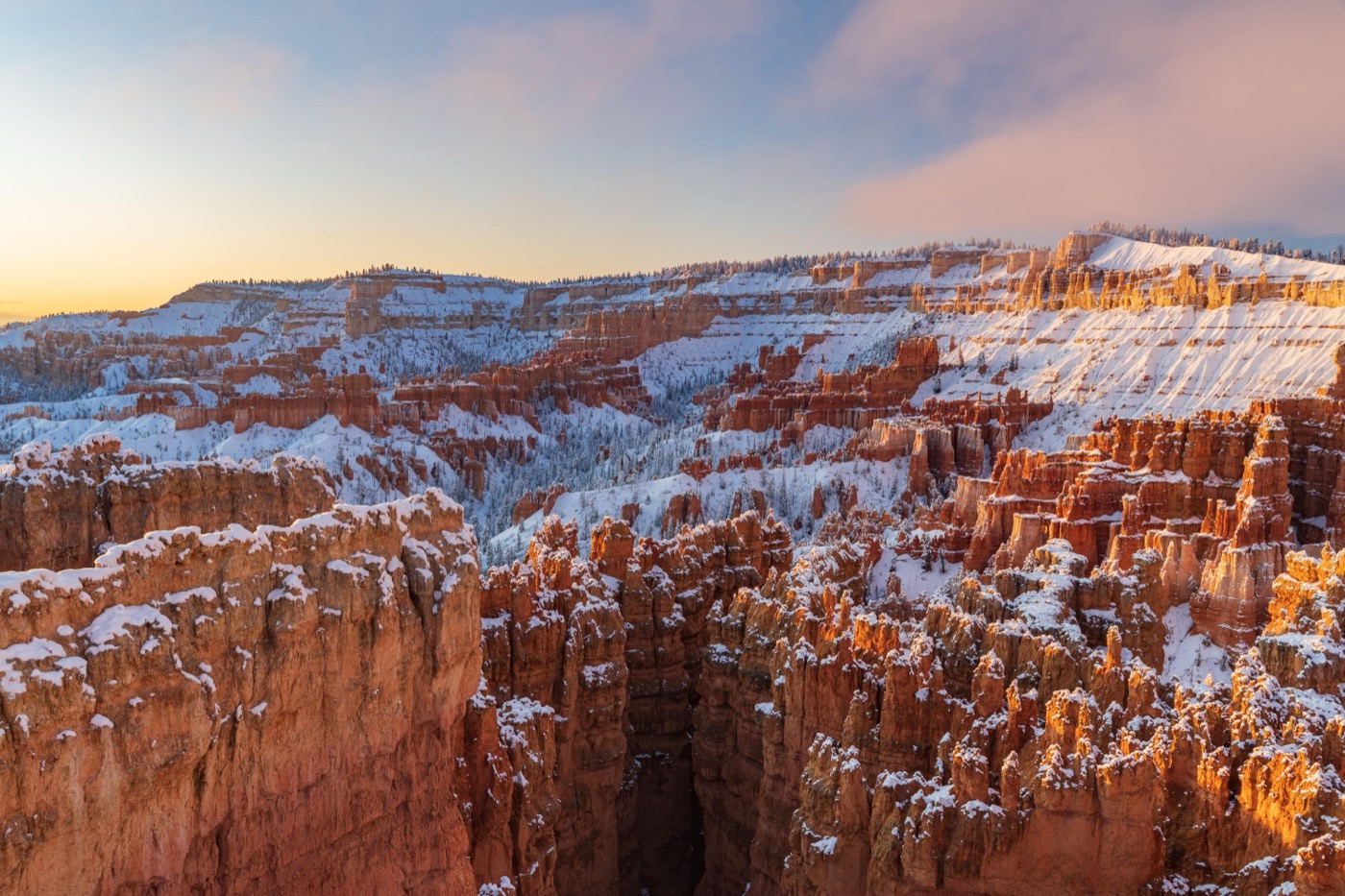
Practical notes: the park is open 24 hours a day, 365 days a year, and entrance is $35 per vehicle for seven days. Bring a real jacket. From October through May it drops below freezing nearly every night, and even summer dawns at this altitude are cold.
Drop below the rim: Queen's Garden and Navajo Loop
If you do one hike here, make it the Queen's/Navajo Combination Loop. You start down the Queen's Garden Trail — the gentlest way below the rim — wind through the spires up close, and climb back out via the Navajo Loop and its tight switchbacks. It's roughly three miles and the standard recommendation for good reason: it gives you the canyon from above and from inside without committing the whole day.
- Walk it clockwise — down Queen's Garden, up Navajo. The Navajo side is steeper, and you'd rather climb it than descend it.
- The climb back to the rim is short but real at altitude. Take it slow and carry more water than feels necessary.
- Want longer? The Figure-8 Combination links Queen's Garden, the Peekaboo Connector, and Navajo into about a half-day. Want shorter with kids? Just do Queen's Garden out-and-back and turn around when they're done.
Drive the plateau to Rainbow Point
After lunch, point the car south. The park road runs about 18 miles to Rainbow Point, climbing to over 9,000 feet at the southern end, with pullouts the whole way. On a clear day the view from the top stretches more than 100 miles. If your legs have anything left, the short Bristlecone Loop Trail near Rainbow Point is an easy one-mile walk through ancient bristlecone pines with a cliff-edge view — a quieter, higher counterpoint to the busy amphitheater.
A logistics note worth knowing: a free shuttle runs in peak season and parking near Sunset and Sunrise fills early. If you're driving the scenic road yourself, do it midday when the rim lots are jammed, and save the popular viewpoints for early or late.
Stay for the dark sky
Bryce is a Gold-Tier International Dark Sky Park, and the night sky is arguably its second headline act after the hoodoos. If you can stretch your day past dark, the clean high-elevation air delivers a Milky Way you don't see from most of the country. Check the schedule for a ranger-led Bryce Canyon Evening Program or astronomy event, or just walk back out to Sunset Point — it's paved, close to parking, and opens to 360 degrees of sky.
One note for families and dog owners: bring layers for the kids if you stay for stars, because the temperature drops fast. And dogs are heavily restricted here — pets are allowed on paved viewpoints, the paved rim path between Sunrise and Sunset, and in campgrounds, but not on the dirt trails below the rim. Plan a hoodoo hike for the humans only.
Planning the real thing? Nestward builds a day-by-day plan for this park in minutes — free, no subscription. See how it works →