 Nestward
Is Yellowstone Dog-Friendly?
The straight answer on bringing your dog to America's first national park.
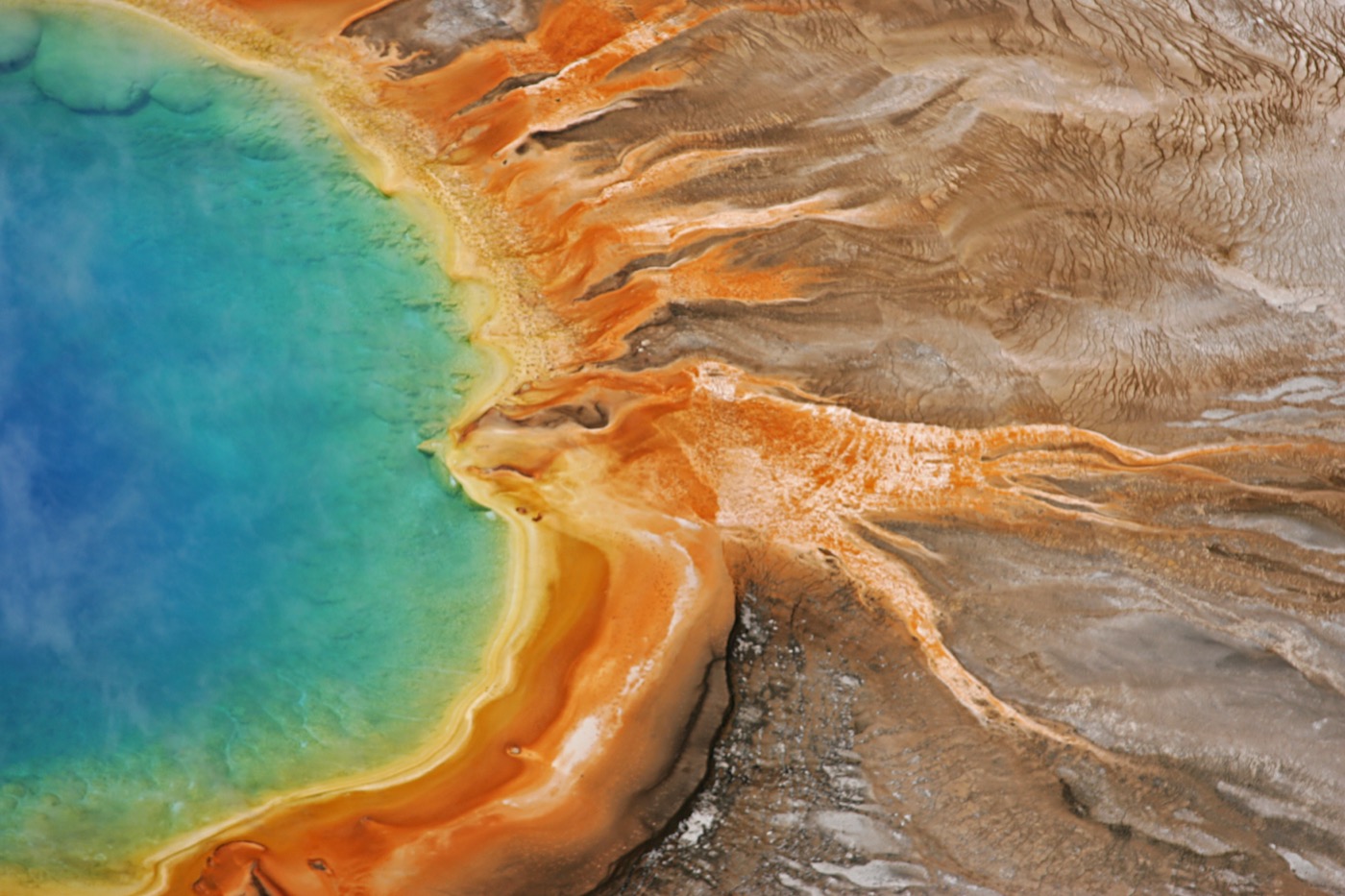
Short version: not really. Yellowstone became the first national park in 1872 to protect its hydrothermal wonders, and those same wonders are why dogs are kept on a very short leash here. Literally. If your dream is hiking the backcountry with your dog or strolling the geyser boardwalks together, Yellowstone will disappoint you. But you can still bring a dog, as long as you know the rules and plan around them.
Where dogs ARE allowed
Yellowstone restricts pets to developed areas. That means dogs are permitted in:
- Parking lots and along roads (within 100 feet of the road surface)
- Campgrounds and picnic areas
- Inside your vehicle
Dogs must be leashed at all times (six feet or shorter) or otherwise physically restrained. You can't leave a dog tied up unattended, and you can't leave one in a closed car on a warm day. That's the whole list. If a place has scenery worth stopping for, your dog probably can't come see it with you.
Where dogs are NOT allowed (the long list)
This is where Yellowstone earns its reputation as one of the least dog-friendly parks in the system. Dogs are banned from:
- All trails, including front-country favorites like the Fairy Falls Trail, the Grand Prismatic Overlook Trail, and the Mount Washburn routes from Dunraven Pass and Chittenden Road
- All boardwalks and thermal areas: Old Faithful, the Upper Geyser Basin, West Thumb, Mud Volcano, every one
- The backcountry, period
- Boardwalk overlooks of the Grand Canyon of the Yellowstone, like Artist Point
The thermal restriction isn't bureaucratic caution. The ground around geyser basins is thin crust over boiling, acidic water, and dogs have died after breaking through or bolting into hot springs. Yellowstone's wildlife is the other reason: bison, elk, grizzlies, and wolves all roam freely, and a barking or loose dog can trigger a dangerous encounter fast.
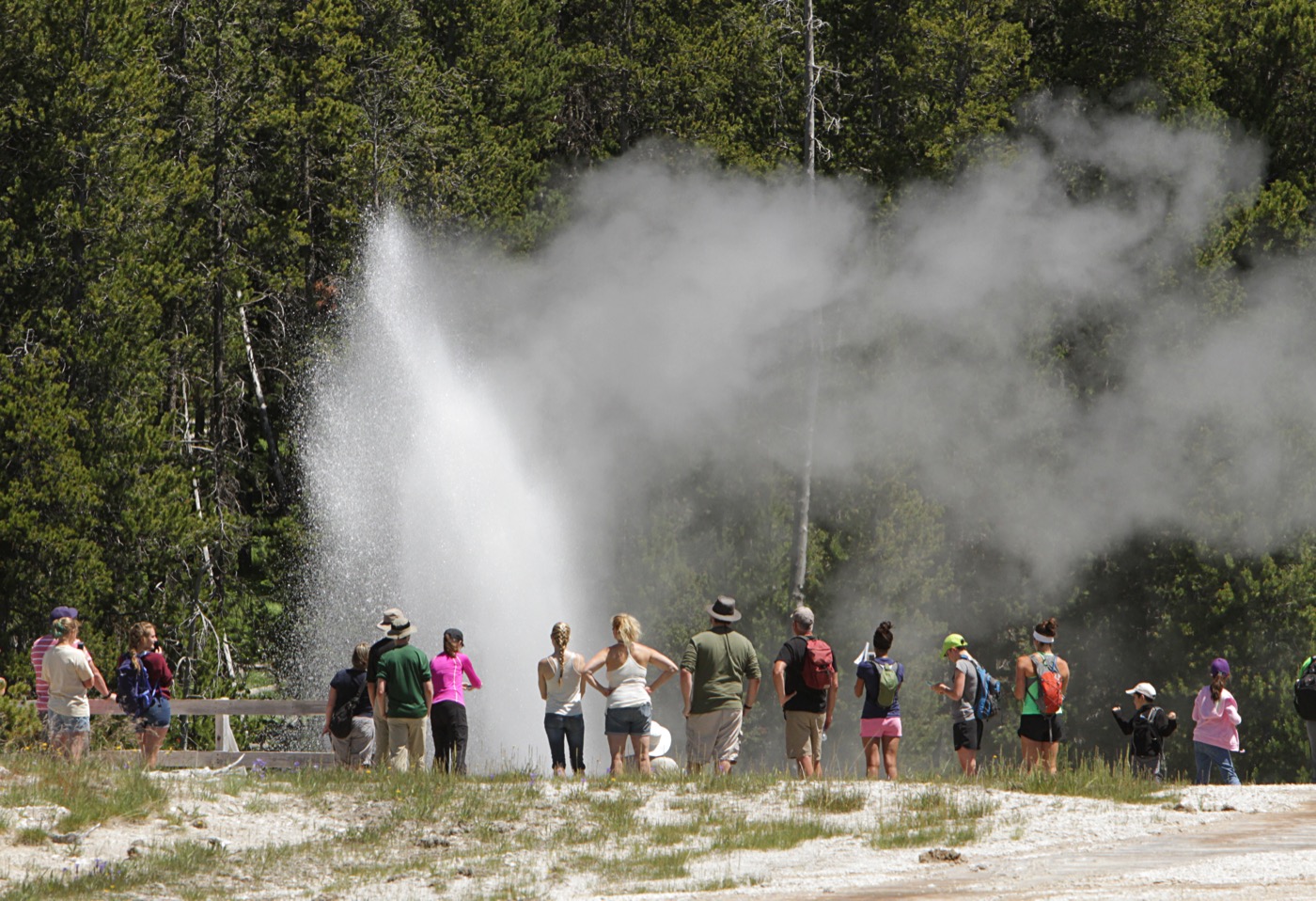
So can a dog trip even work here?
It can, if you treat Yellowstone as a scenic drive rather than a hiking trip. The park is roughly 3,500 square miles laced with roads, and a lot of the headline scenery is visible from pullouts where your leashed dog can stretch its legs. You can take in the Yellowstone River near Tower Fall, watch for bison and bighorn sheep from roadside turnouts, and camp in a developed campground with your dog at the site.
But be realistic about logistics. Summer days can top 70°F and a parked car heats up fast, so you can't tour the boardwalks while the dog waits in the vehicle. That's the core conflict: the best of Yellowstone happens on foot, on trails and boardwalks, exactly where dogs can't follow. Many visitors with dogs end up taking turns, with one person staying behind at each stop.
A better plan for most dog owners
If you want a real Yellowstone trip (geysers, hikes, wildlife on foot), the kindest move is usually to board your dog. Gateway towns like West Yellowstone, Montana, and Gardiner, Montana, have kennels and pet sitters geared to park visitors. Some lodges just outside the boundary allow dogs, letting you sleep with your dog and explore the park without it during the day.
If boarding isn't an option, build your itinerary around the North Entrance near Gardiner (the only entrance open to vehicles year-round) and lean into scenic driving, roadside wildlife watching, and campground time. Just know going in that you'll be admiring most of Yellowstone through the windshield.
Planning the real thing? Nestward builds a day-by-day plan for this park in minutes, free, no subscription. See how it works →