 Nestward
Is Glacier Bay National Park Worth Visiting?
The verdict on one of Alaska's most remote parks.
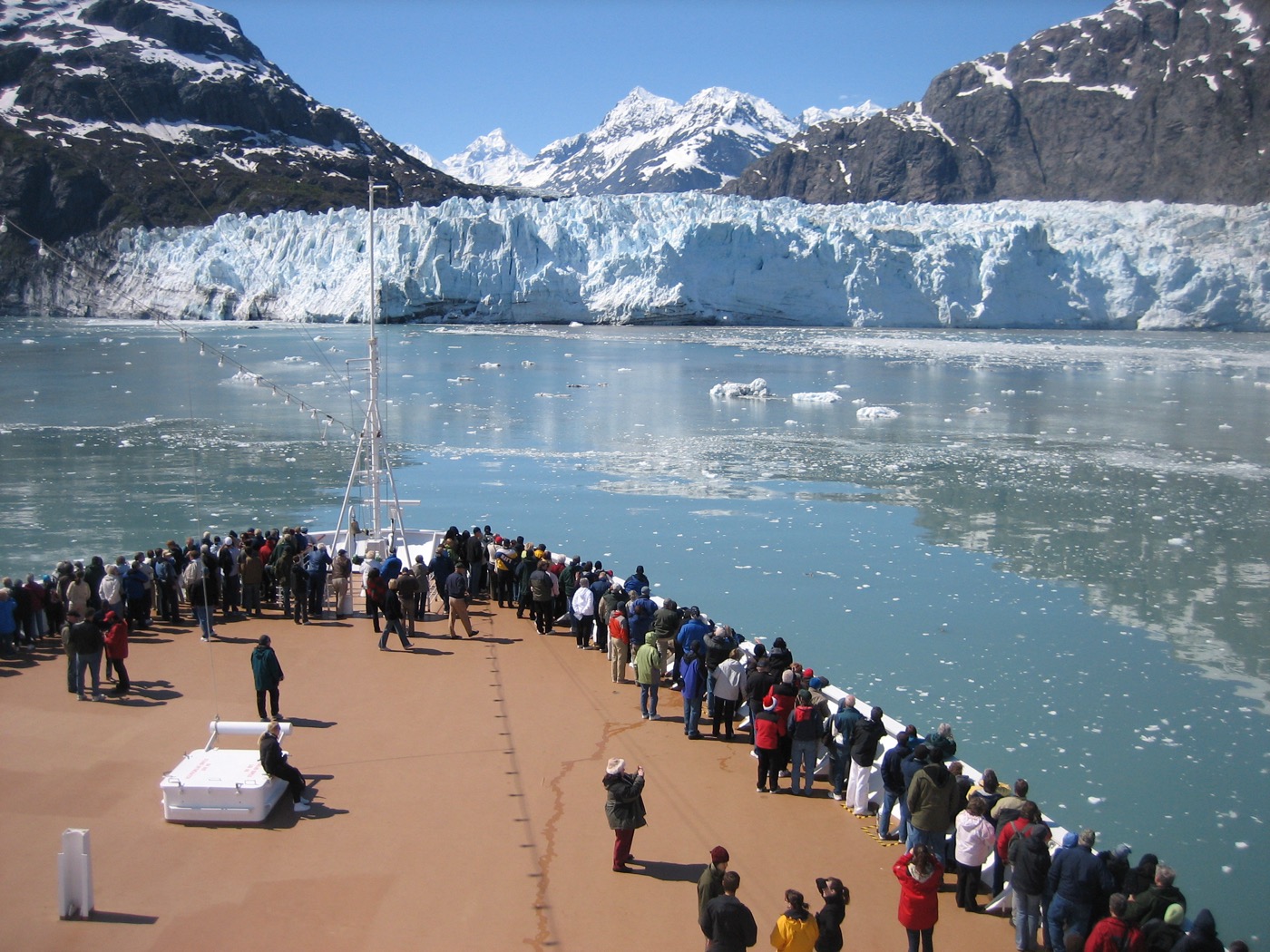
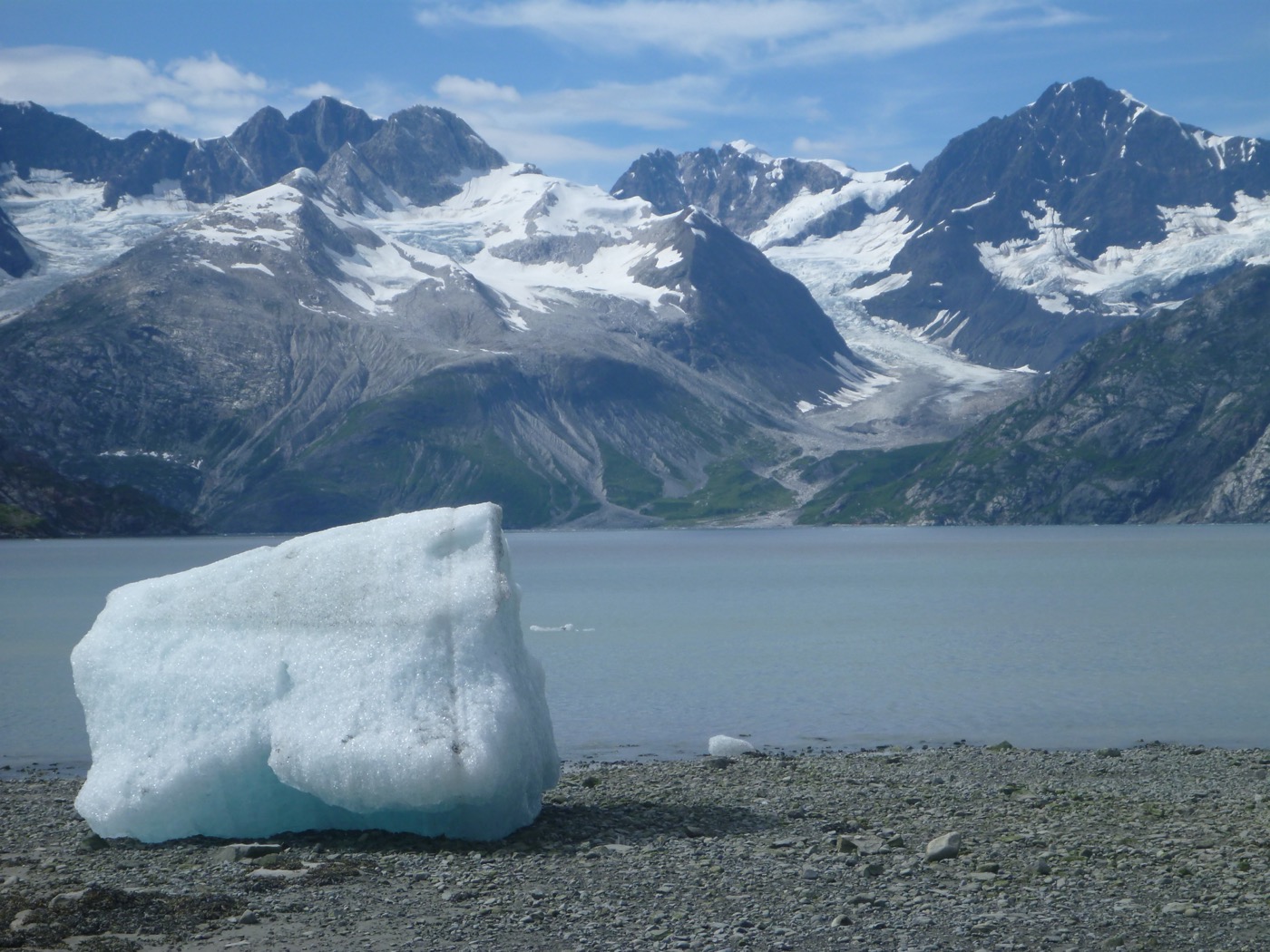
Short answer: yes, if you can get there and you're going for the right reasons. Glacier Bay covers 3.3 million acres of rugged mountains, dynamic glaciers, temperate rainforest, wild coastlines, and deep sheltered fjords. It has no entrance gate and almost no roads. That single fact decides whether this park is a highlight of your trip or a logistical headache you didn't need.
The verdict
Glacier Bay is worth it for people who want tidewater glaciers, whales, and genuine wilderness, and who accept that "going" usually means a boat. It is part of Alaska's Inside Passage and is known as the Homeland of the Huna and Yakutat Lingít. From sea to summit, it's spectacular. But it's also one of the least drive-up parks in the system.
- Worth it for: cruise passengers, day-boat tour riders, kayakers, and anyone chasing glaciers and marine wildlife.
- Think twice if: you want a classic hike-the-trails road-trip park, you're on a tight budget, or you only have a few hours. The drive-up experience here is small.
How you actually get there
This is the part that surprises people. Glacier Bay lies west of Juneau and can only be reached by plane or boat. The single road in the area just connects the small town of Gustavus and its airfield to park headquarters at Bartlett Cove, about 10 miles away. Alaska Airlines runs daily summer jet service from Juneau to Gustavus; small air taxis and the Alaska Marine Highway ferries fill in the rest.
For most visitors, the park reveals itself from the water. A boat tour up the bay toward Margerie Glacier and Tarr Inlet (the icebergs, the calving, the pan ice) is the signature Glacier Bay experience, and it's why the cruise ships come.
What there is to do once you arrive
Everything land-based clusters around Bartlett Cove, the only developed area. It's small, but it's good:
- Hike the trails at Bartlett Cove: the only developed trails in the park. Four short routes wind through temperate rainforest: the Forest Loop Trail, Bartlett River Trail, Bartlett Lake Trail, and the Tlingit Trail. Expect mud. Rangers genuinely recommend rubber boots.
- Experience the Huna Tribal House: Xunaa Shuká Hít, the first permanent clan house in Glacier Bay in over 250 years, a quarter-mile past Glacier Bay Lodge on the flat Lingít Trail.
- Kayak the Beardslee Islands, the budget-friendly wilderness option, close to Bartlett Cove. Know your tides first.
- Camp at Bartlett Cove: a mossy rainforest campground where you can hear whales from your tent. Free firewood, bear caches, and a required orientation at the Visitor Information Station.
- Stop by the Glacier Bay Visitor Center, upstairs in the lodge, with exhibits, ranger programs, and a hydrophone listening station. A solid rainy-afternoon backup.
When to go
The main season runs late May through early September, with July as the peak. Summer temperatures average 50–60°F, and rain is the norm in lush southeast Alaska. Good rain gear is essential, not optional. April, May, and June tend to be the driest months; September and October the wettest. Most facilities close for winter, so plan around the summer window.
One note on bringing your dog
Leave the dog at home for this one. Pets are allowed only in a few select spots within the Bartlett Cove Developed Area, must stay leashed, and may not be left unattended. They're not permitted on trails, beaches, or anywhere in the backcountry. Only service dogs may go on the Bartlett Cove trails. Given that the park is mostly water and wilderness, a dog has very little room to be here.
Planning the real thing? Nestward builds a day-by-day plan for this park in minutes, free with no subscription. See how it works →