 Nestward
Is Capitol Reef Worth Visiting?
The verdict and a tight half-day plan
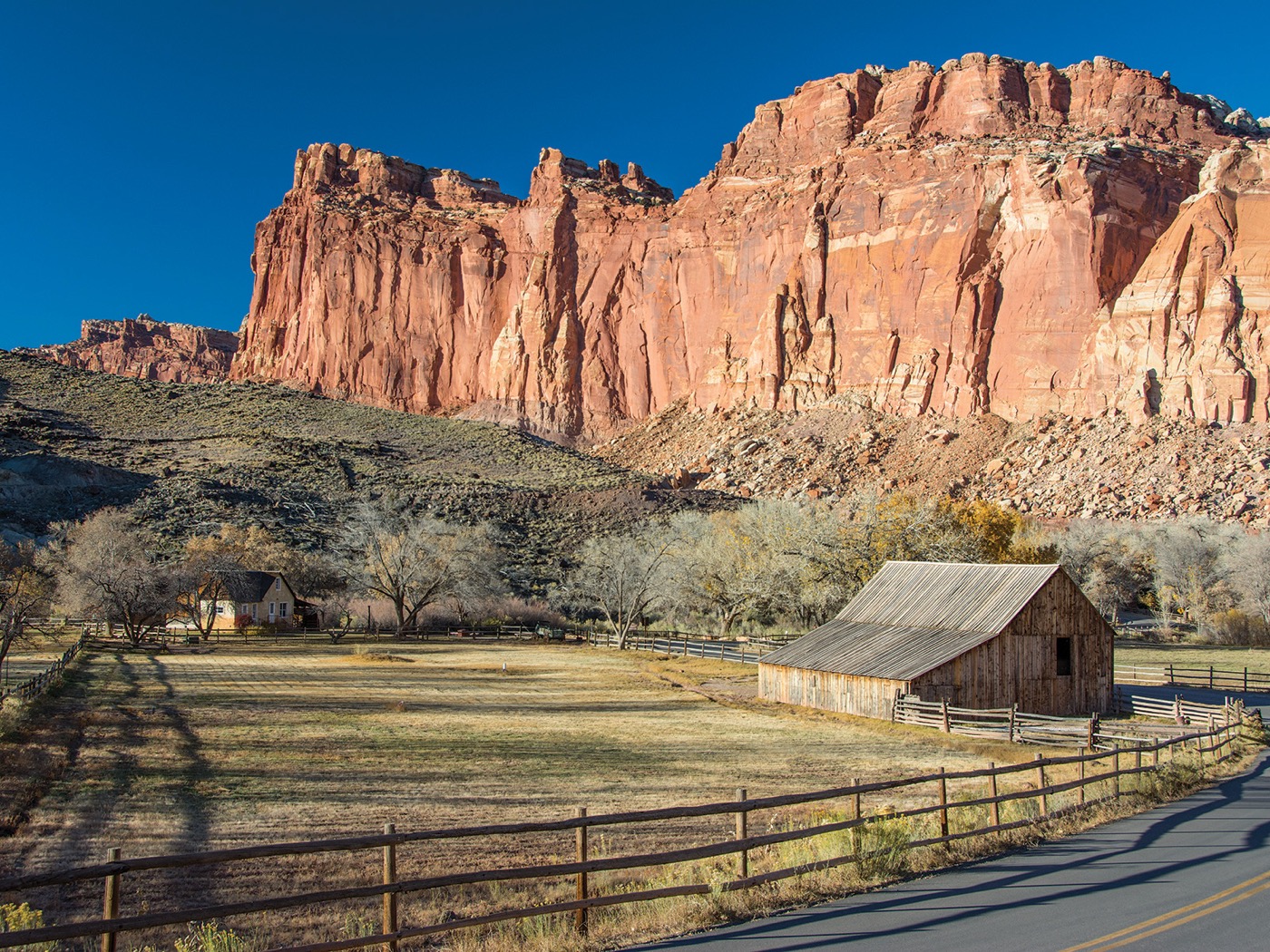
Capitol Reef is the quiet one in Utah's lineup of five national parks, less famous than Zion or Arches, and that's exactly its appeal. It's a 100-mile wrinkle of red rock called the Waterpocket Fold, and you can see the best of it without crowds or a permit. The real question isn't whether it's beautiful (it is); it's whether it's worth the detour for your trip.
The short verdict
Yes, for most people, with one caveat. Capitol Reef rewards a half-day to a full day, not a five-minute drive-through. If you can give it three or four hours, it's absolutely worth it: a scenic drive through towering cliffs, a working historic orchard, ancient petroglyphs, and dark skies that are some of the best in the country. If you're racing between Bryce and Moab and can only spare 45 minutes, you'll see pretty rock from your car and wonder what the fuss was about. Give it real time or skip it.
- Worth it for: families wanting an easy, uncrowded park; geology and history buffs; stargazers; anyone tired of Zion's shuttle lines.
- Skip it if: you're on a tight one-day Utah blitz, or you only want big-name marquee hikes. Those live at Zion and Arches.
The half-day plan that makes it click
Start at the visitor center, then aim down the paved Scenic Drive Tour, about 8 miles of road hugging the cliffs, with pullouts the whole way. Along the way, work in these without much backtracking:
- Visit the Petroglyph Panel: a quick boardwalk stop near the visitor center with ancient Fremont rock art carved into the cliff. Five minutes, high payoff, and kids actually engage with it.
- Fruita orchards and a Picnic: the green historic district is a jarring, lovely contrast to the red rock. In season you can pick fruit; year-round it's a shady spot to eat. There's a grassy picnic area that resets restless kids fast.
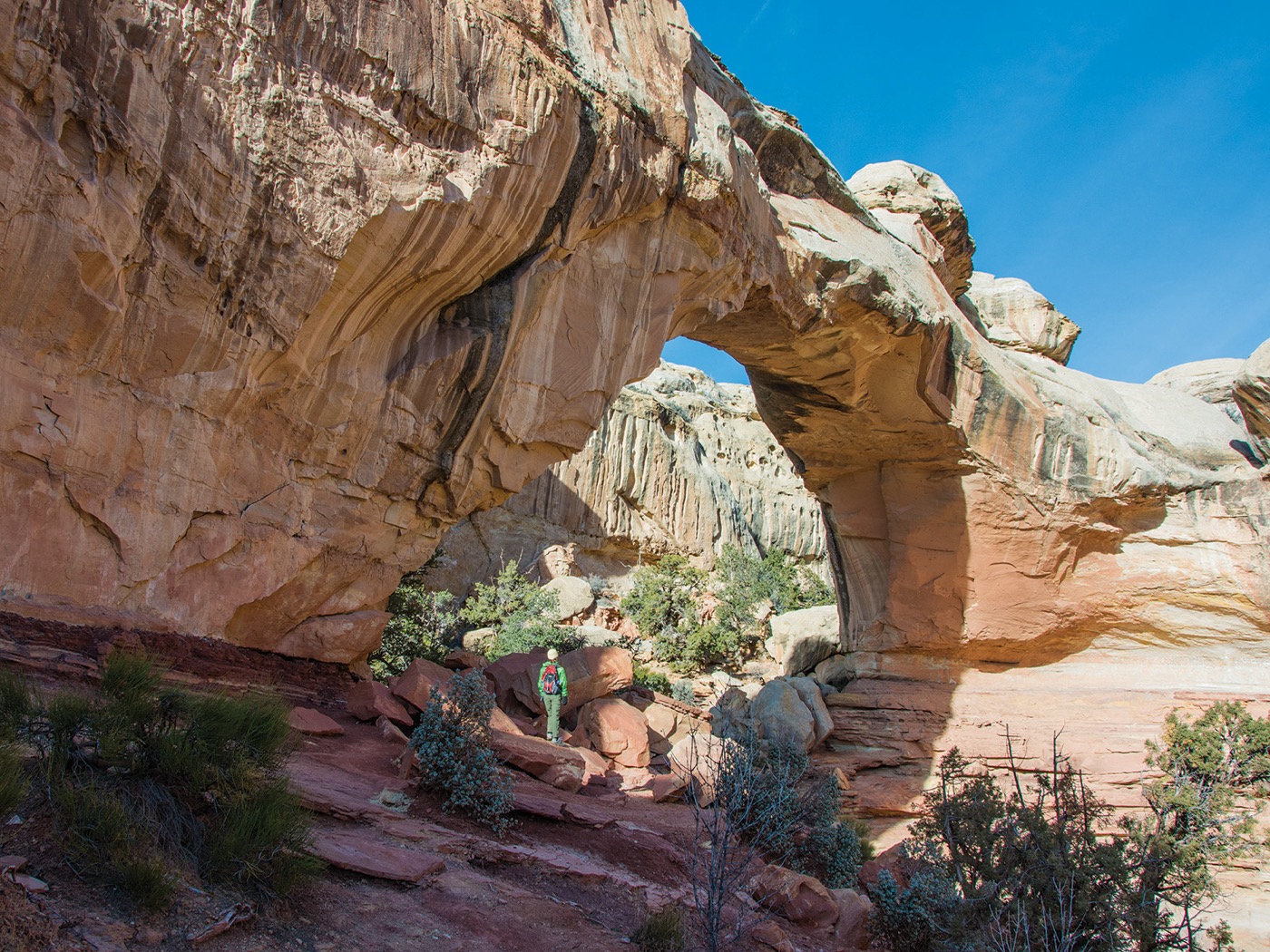
- Hike an Easy or Moderate Trail: the Scenic Drive feeds several short hikes into the canyons. A quick walk up a side canyon turns "looking at rock" into "standing inside it," which is the whole difference here.
That's a genuine half-day. Add a Hike a Strenuous Trail if you've got energy and a full day, but it isn't required to feel like you saw the park.
Best time to go, and the practical notes
Spring (April–May) and fall (September–October) are the sweet spot, with mild temperatures and, in fall, ripening orchard fruit. Summer gets hot in the exposed canyons, so do your walking in the morning and treat midday as picnic-and-drive time. Winter is quiet and cold but very doable for the scenic drive.
- No reservations or timed entry. Unlike Zion's shuttle system, you just drive in. There's an entrance fee for the Scenic Drive beyond the orchards; the visitor center area and Highway 24 viewpoints are free.
- It's remote. The nearest real town services are limited. Fuel up and grab snacks before you arrive. Cell coverage is spotty.
- Stay for the stars. Capitol Reef is a certified dark-sky park. If your schedule allows, stick around after sunset: Watch the Sunset from a pullout, then Stargaze. It's one of the park's best (and free) experiences.
Going deeper: the backcountry side
If Capitol Reef hooks you, the rugged districts are where it gets wild, and where most visitors never go. These need a high-clearance vehicle, more time, and self-sufficiency:
- Hike Cathedral Valley: remote sandstone monoliths reached by a long dirt loop with a river ford. A full, committed day.
- Driving the Burr Trail and the Hike in the South (Waterpocket) District: dramatic switchbacks and slot canyons far from the crowds.
None of this is necessary for a first visit. But it's why people who give Capitol Reef a chance tend to come back.
Planning the real thing? Nestward builds a day-by-day plan for this park in minutes, free with no subscription. See how it works →