 Nestward
Where to Stay Near Capitol Reef
Picking a home base for Utah's quietest national park.
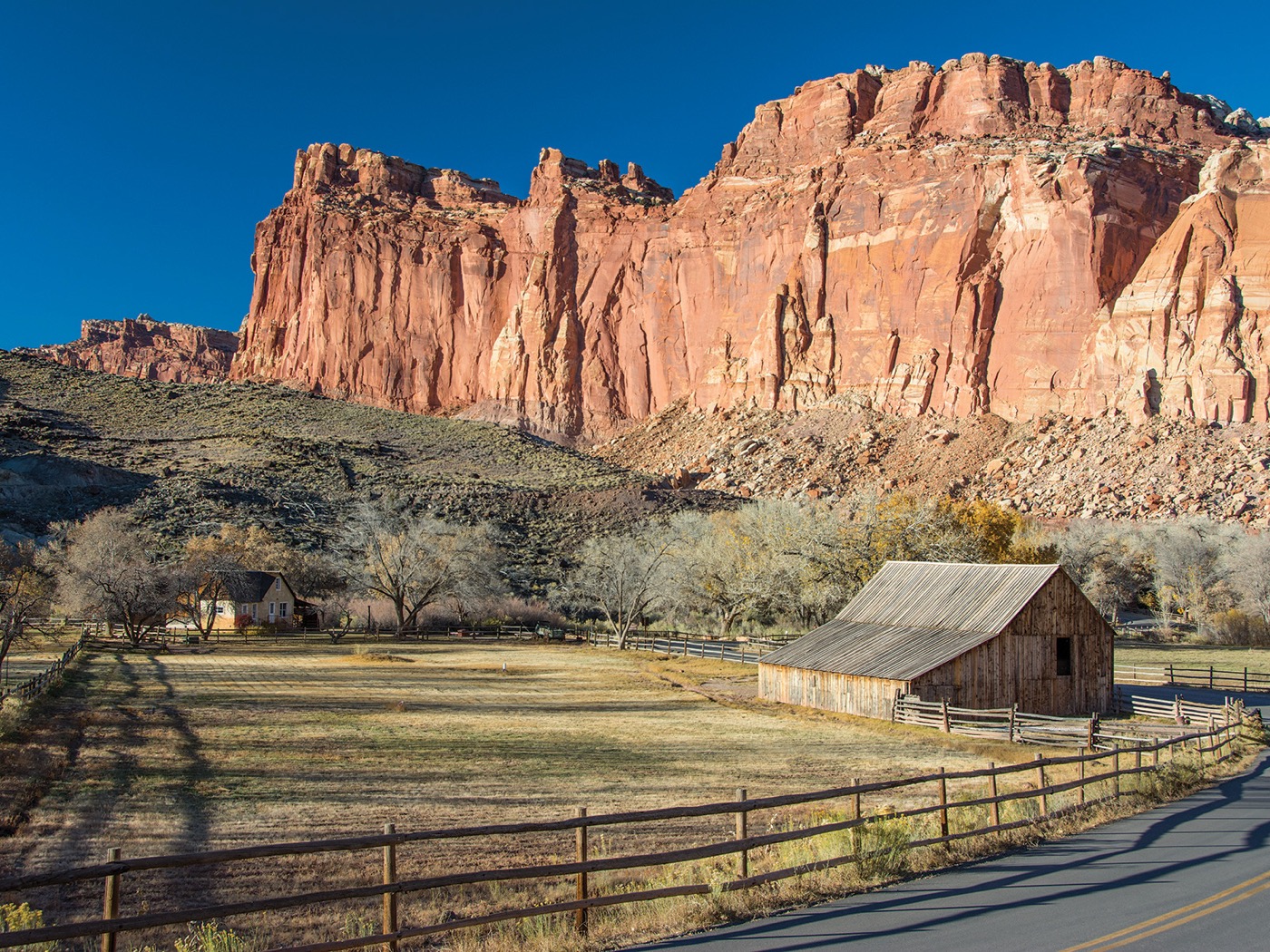
Capitol Reef sits in the heart of Utah's red rock country, a 100-mile wrinkle in the earth called the Waterpocket Fold full of cliffs, canyons, and domes. The good news for lodging: it's the least crowded of Utah's "Mighty 5," so you have real choices. The catch: there's exactly one in-park campground that fills fast, and the nearest town is small. Here's where to actually sleep.
Torrey: the obvious home base
Torrey sits about 11 miles west of the visitor center on UT-24, and it's where most families end up. It's a tiny town, but it punches above its weight: a cluster of motels, a few genuinely good restaurants, a gas station, and a small grocery. For a park this remote, that's a lot.
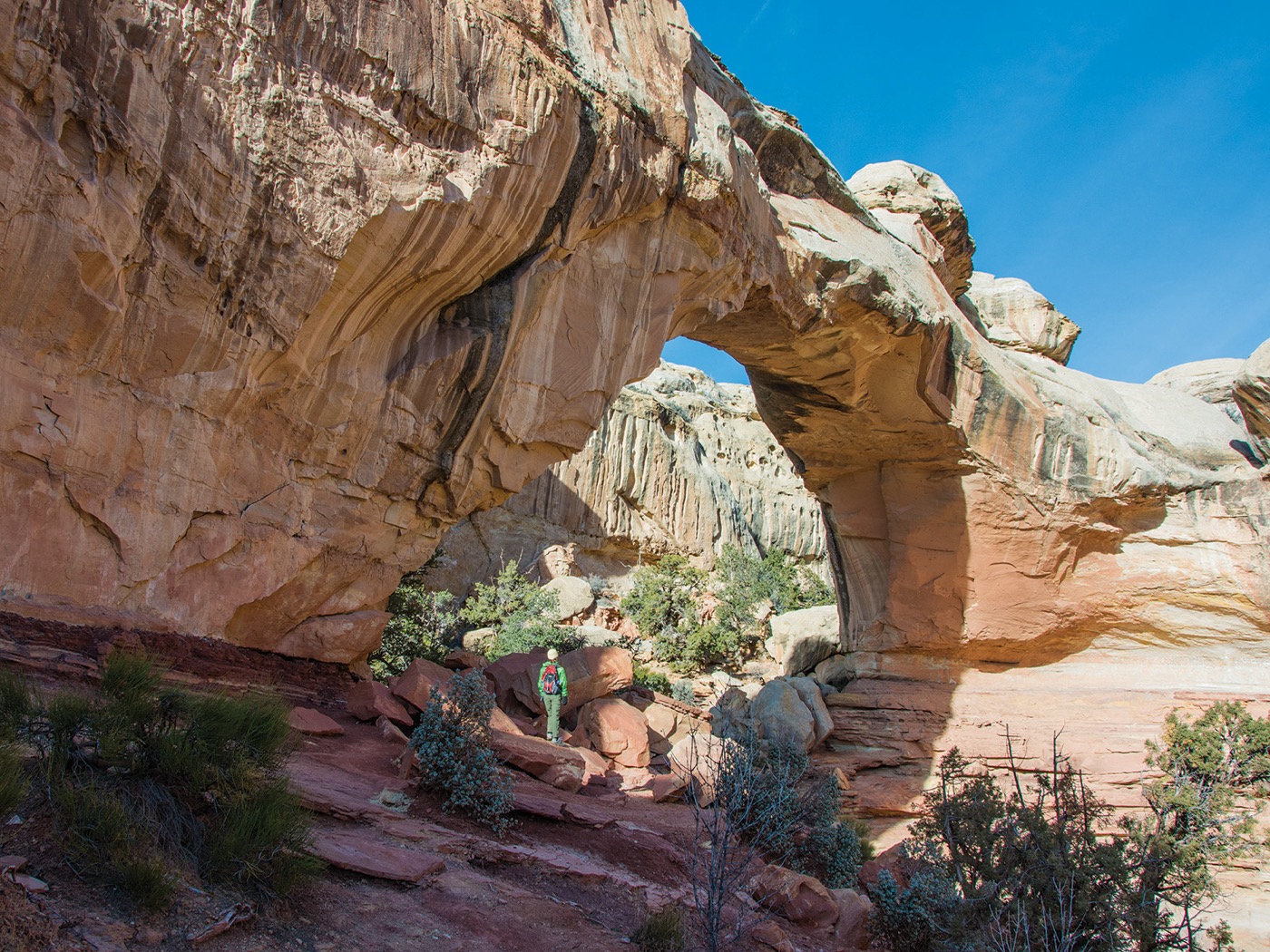
- Pros: Closest town with real lodging and food. You can be at the trailhead for Hickman Bridge or on the Scenic Drive in 20 minutes. Restaurants matter more than you'd think out here. Kids get tired of gas-station dinners fast.
- Cons: Limited room inventory means it books up in fall, especially around the September peach harvest. Prices climb in peak season. It's still small, so don't expect a big resort or late-night options.
If you want walls and a real bed within striking distance of the park, Torrey is the answer. Book early for September and October.
Fruita Campground: the in-park option
There are no hotels or lodges inside Capitol Reef, but there is one developed campground, and it's a beauty. Fruita Campground sits among the historic orchards along the Fremont River: green lawns, fruit trees, deer wandering through at dusk. It has flush toilets and potable water but no hookups and no showers.
- Pros: You wake up inside the park, steps from the Gifford House, the petroglyph panel, and easy walks. The setting is unlike anywhere else in southern Utah: shade and grass surrounded by red cliffs. Dark skies overhead make it a genuine stargazing spot.
- Cons: Reservations are required in the busy season and the sites go quickly when the booking window opens. No showers, no hookups. If your family needs RV power or a hot shower at the end of a dusty day, you'll be driving to Torrey anyway.
For tent families who plan ahead, Fruita is the best seat in the house. For everyone else, treat it as a bonus if you can snag a site.
Bicknell and the western towns
If Torrey is full or pricey, keep driving west on UT-24. Bicknell is about 8 miles past Torrey and runs noticeably cheaper, with a classic small-town motel or two. Loa is a bit further. You're trading drive time for a softer rate.
- Pros: Better value, more availability when Torrey is booked, and still an easy commute to the park entrance.
- Cons: Fewer dinner options, and you're adding 15 to 25 minutes each way. For an early Cathedral Valley start or a sunset run, those minutes add up.
Hanksville: the eastern approach
Coming from the east (Goblin Valley, Lake Powell, or I-70), Hanksville sits about 37 miles east of the park on UT-24. It's a fuel-and-sleep town: basic motels, a gas station, not much else.
- Pros: Useful if you're road-tripping east to west, or hitting the park's remote South District and the Burr Trail. It breaks up a long drive.
- Cons: Plain. Limited food. Most families won't want it as a multi-night base when Torrey is right there on the other side.
So where should your family sleep?
For most families, book a motel in Torrey and do it early. It's the only spot with food, fuel, and beds all in one place. If you're tent camping and you're organized enough to grab a reservation, Fruita Campground inside the park is the more memorable choice. Use Bicknell as your value backup and Hanksville only if your route runs east. Whatever you pick, plan to do your real grocery shopping before you arrive. These are small towns, and the nearest big store is a long way off.
Planning the trip? Nestward builds a day-by-day plan in minutes, free, no subscription. See how it works →