 Nestward
Grand Teton With Kids
A family guide to the easy wins, the realistic pacing, and where the moose actually are.
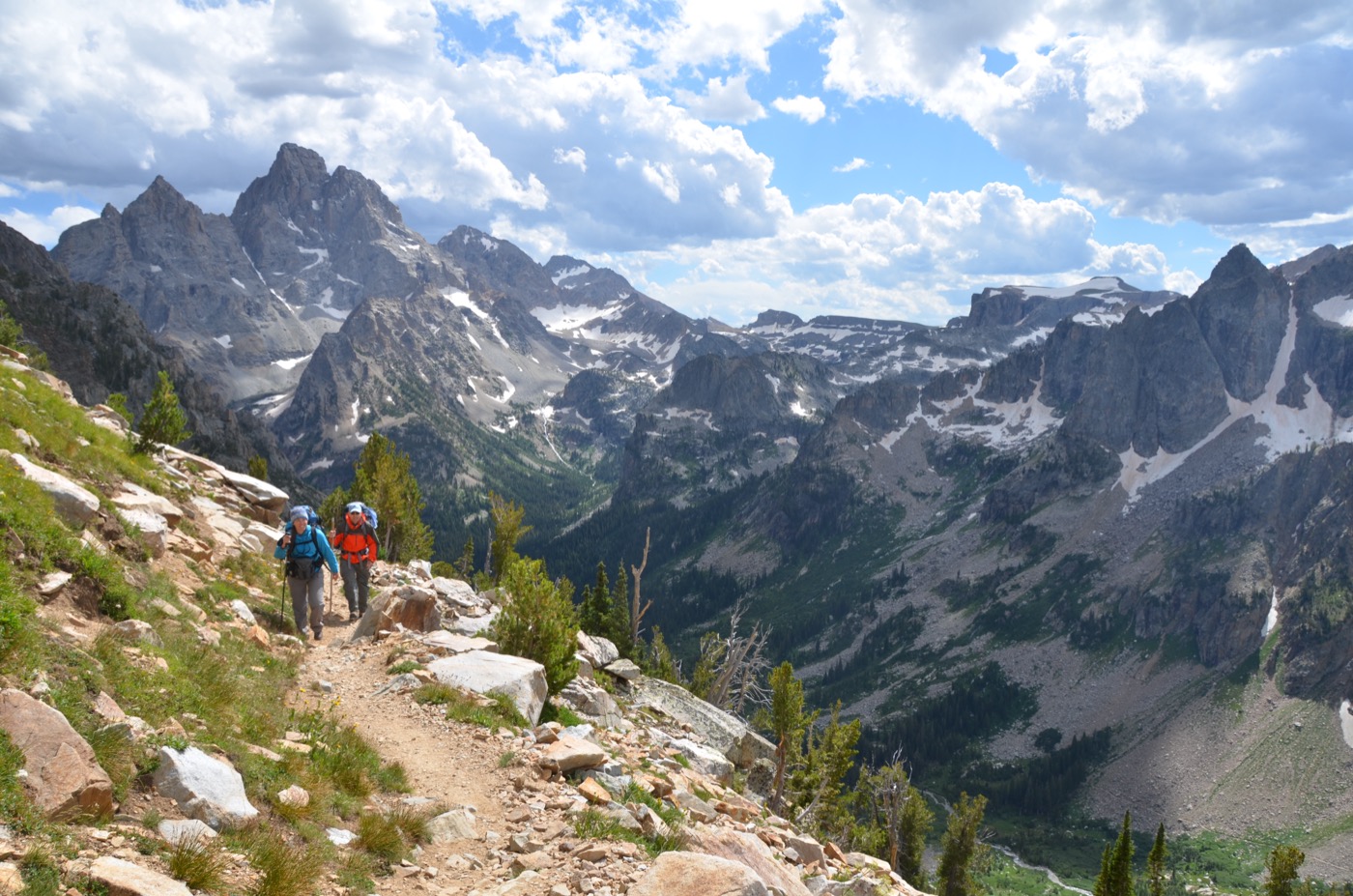
Grand Teton, in northwestern Wyoming, has one big advantage for families: the mountains rise straight out of the valley floor with no foothills in the way, so the views are spectacular from the car, the picnic table, and the easiest flat trail. You don't have to earn the scenery here. That said, this is real high country (afternoon thunderstorms, cold nights, and grizzlies are all part of the deal), so a little planning goes a long way.
Easy hikes that actually work with kids
You can do Grand Teton without a single hard climb and still feel like you saw it. The standouts for short legs:
- Lake Creek – Woodland Trail Loop at the Laurance S. Rockefeller Preserve. The NPS rates it easy: a 3-mile loop, wide and mostly level, with benches on the shore of Phelps Lake. Watch for exposed roots and rocks, but no real climbing. This is the gentlest way to put your kids on a lakeshore framed by the Tetons.
- Phelps Lake overlook-and-shore route, moderate, with views down into Death Canyon. Good for kids who can handle a bit of up and down and want a payoff at the water.
- Schwabacher Landing and Oxbow Bend: barely hikes at all. Short flat walks to beaver ponds and the Snake River that reflect Mount Moran on a calm morning. Low effort, high reward, easy turnarounds when somebody melts down.
Save the longer canyon hikes (Granite Canyon, Death Canyon, Hermitage Point) for older, hardier kids or solo days. They're listed by the Park Service as moderately strenuous to very strenuous, and Marion Lake in particular is a long alpine slog, not a toddler outing.
Realistic kid-pacing notes
Two things will set your daily rhythm here: altitude and weather. The valley sits near 6,800 feet, and trailheads climb from there. Kids (and adults) tire faster, sunburn faster, and dehydrate faster than they would at home. Plan for shorter distances than you think, and carry more water than feels reasonable.
Weather is the other governor. July and August bring warm days but reliable afternoon thunderstorms. Hike in the morning and you'll dodge most of them. Snow and frost are possible literally any month, so pack a warm layer even in summer. The classic family pattern that works: an early short hike, a midday break by a lake or in town, and a scenic drive when little legs are done walking.
Driving and wildlife: the no-walking plan
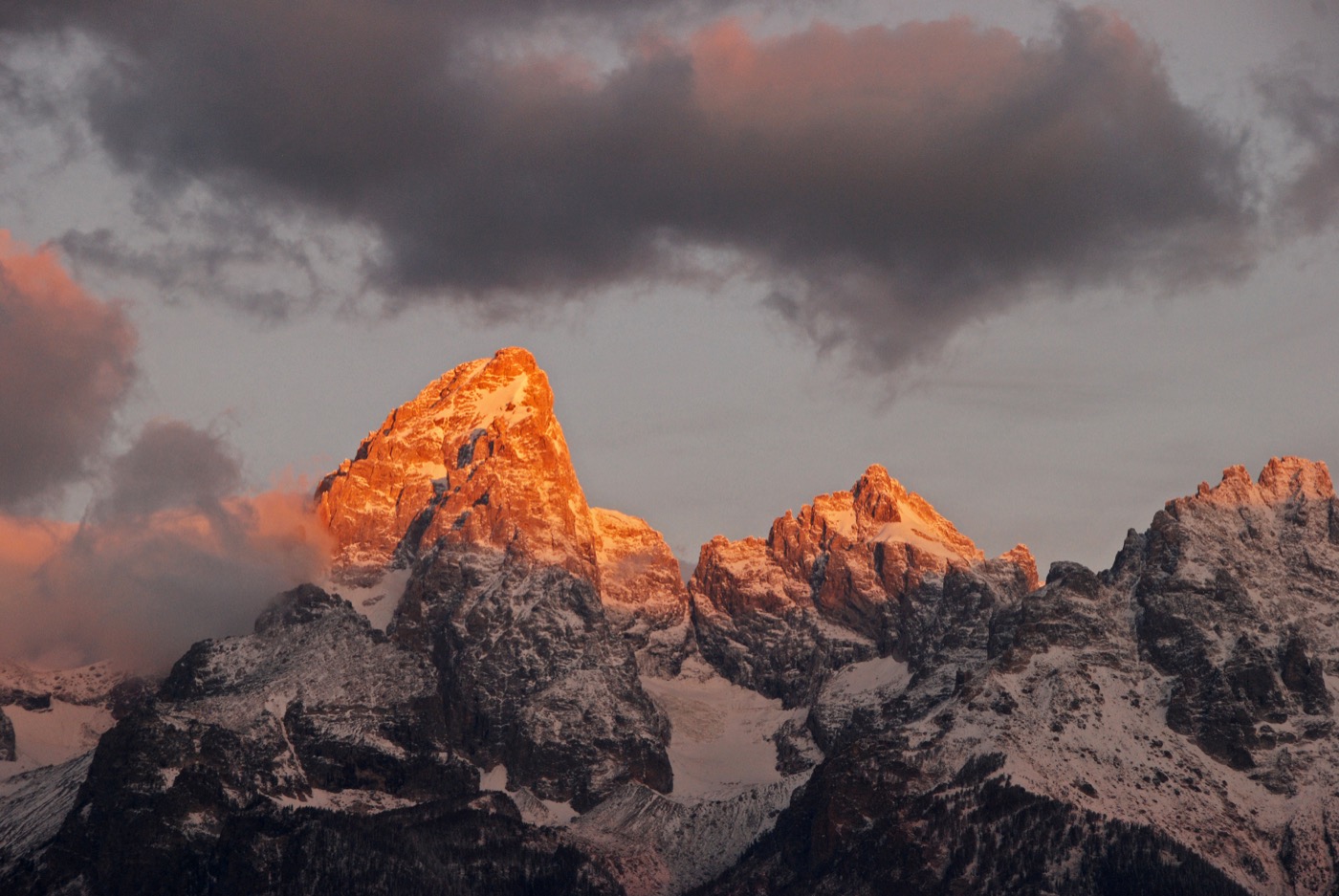
On a tired day, the park is genuinely great from the car. The North Park Road runs along Jackson Lake with dramatic Teton views and frequent wildlife. The Outer Park Road strings together overlooks. Pull over at Oxbow Bend for moose and waterfowl, and at the Snake River Overlook for the Ansel Adams view. The historic Moulton barns on Mormon Row are an easy, photogenic stop kids tend to like.
Grizzly and black bears live throughout the park, so keep kids close, never approach wildlife, and follow the 100-yard rule for bears and wolves (25 yards for everything else). A bull moose is bigger and grumpier than it looks. Admire from the car.
A note on dogs
Be honest with yourself before you bring the family dog: Grand Teton is not a dog-friendly hiking park. Like most national parks, pets are allowed only in developed areas (roadsides, parking lots, campgrounds, and paved paths) and must stay leashed (six feet or shorter). They are not permitted on trails, in the backcountry, or along lakeshores away from roads. With grizzlies around, that rule is for your dog's safety as much as the wildlife's. If a hiking trip is the goal, plan to board the dog or pick a different destination.
Logistics worth knowing
- Entrance fee: $35 per private vehicle, good for 7 days. An America the Beautiful pass covers it if you have one.
- Getting there: Jackson Hole Airport (JAC) is the only commercial airport inside a national park. It's right in the valley. By car it's roughly 5–6 hours from Salt Lake City, and Yellowstone is just to the north if you want to pair them.
- Visitor centers: Craig Thomas Discovery and Visitor Center in Moose and the Colter Bay Visitor Center are good first stops for ranger advice and the free Junior Ranger program, a reliable way to keep kids engaged between hikes.
- Best time for families: mid-June through September for open roads and mild days. July and August are warmest and busiest; September brings golden aspens, fewer crowds, and cold nights.
Planning the real thing? Nestward builds a day-by-day plan for this park in minutes, free, no subscription. See how it works →