 Nestward
Grand Teton for Non-Hikers
The Tetons, without the trek: what to see from the car and on flat ground
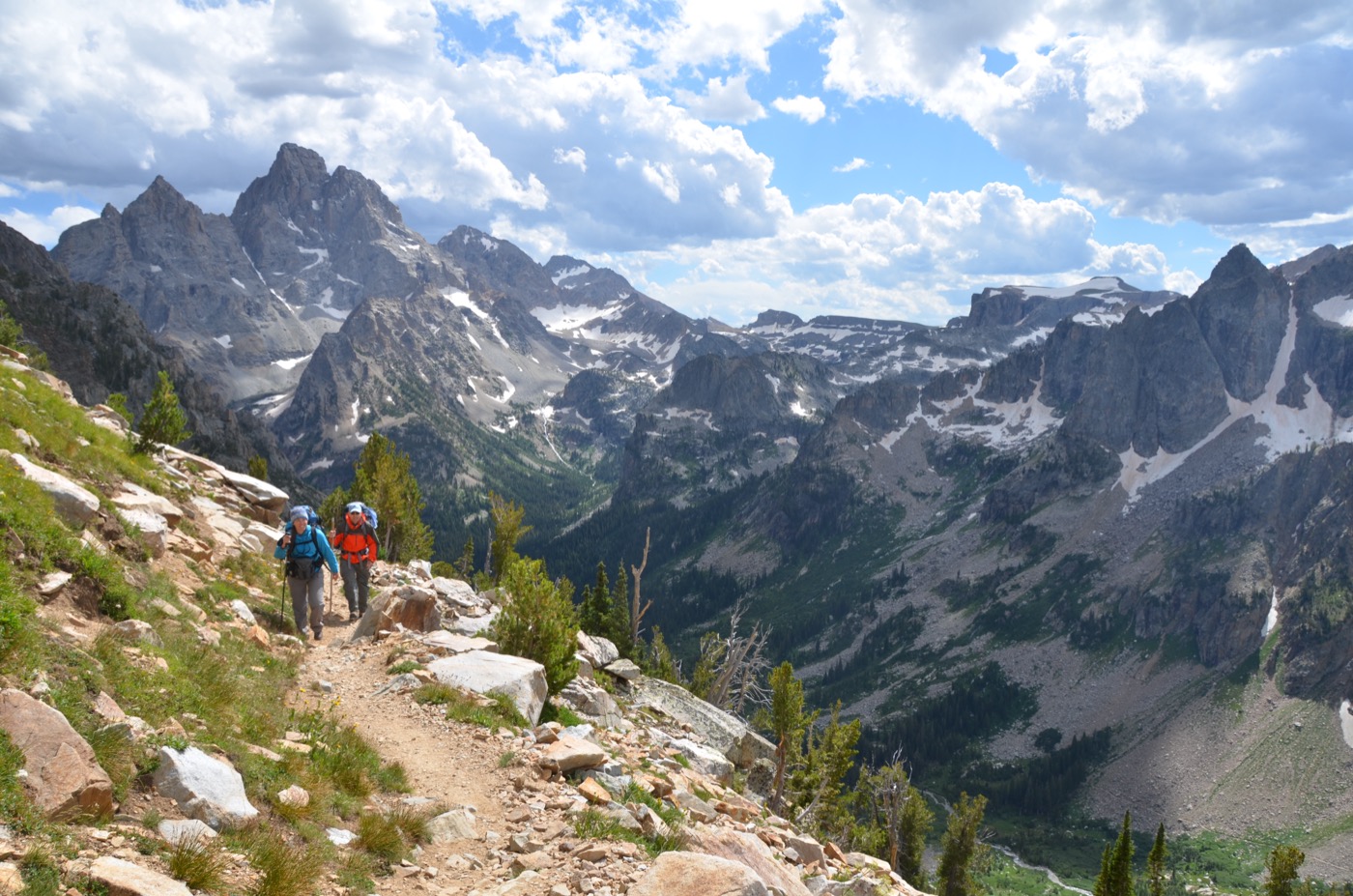
Here's the good news if your knees, your kids, or your patience aren't up for a 10-mile day: Grand Teton is one of the most rewarding parks in the country for people who barely leave the road. The Teton Range jumps straight up out of a flat valley with no foothills, so the big views are right there from the pullouts. You can see the best of it in a day without a single switchback.
The scenic drives do most of the work
This is a park you can genuinely experience from a car seat. The main loop (the inner Teton Park Road along the mountains and the outer Highway 89 corridor through the valley) strings together nearly every famous view. Pack a few short stops onto that loop and you've seen the highlights.
- Snake River Overlook: the postcard. The river bends below the full range and you don't take a step. It's the Ansel Adams spot, and the parking is right off the highway.
- Oxbow Bend: a slow curve of the Snake that mirrors Mount Moran. Best at dawn or in fall when the aspens turn gold, and it's a known spot for moose, elk, and birds right from the turnout.
- Moose-Wilson Road: a narrow, slow back road on the park's southwest edge, good for wildlife (moose, especially) and quiet forest. Note it's closed to RVs and trailers and sometimes closes seasonally, so check before you commit.
Classic viewpoints with zero or near-zero walking
A few of the park's signature stops ask for a hundred yards of flat ground at most.
- Mormon Row: the historic Moulton barns standing alone in the sagebrush with the whole range behind them. It's one of the most photographed scenes in the West, and you walk maybe a minute from the car.
- Schwabacher Landing: beaver ponds that throw a clean reflection of the peaks on a still morning. A short, flat path along the water; mornings are calm and golden.
- Jenny Lake: the visitor hub at the foot of the range. You can simply stand at the shore, or skip the trail entirely and take the shuttle boat across the lake, a non-hiker's way to be surrounded by the peaks.
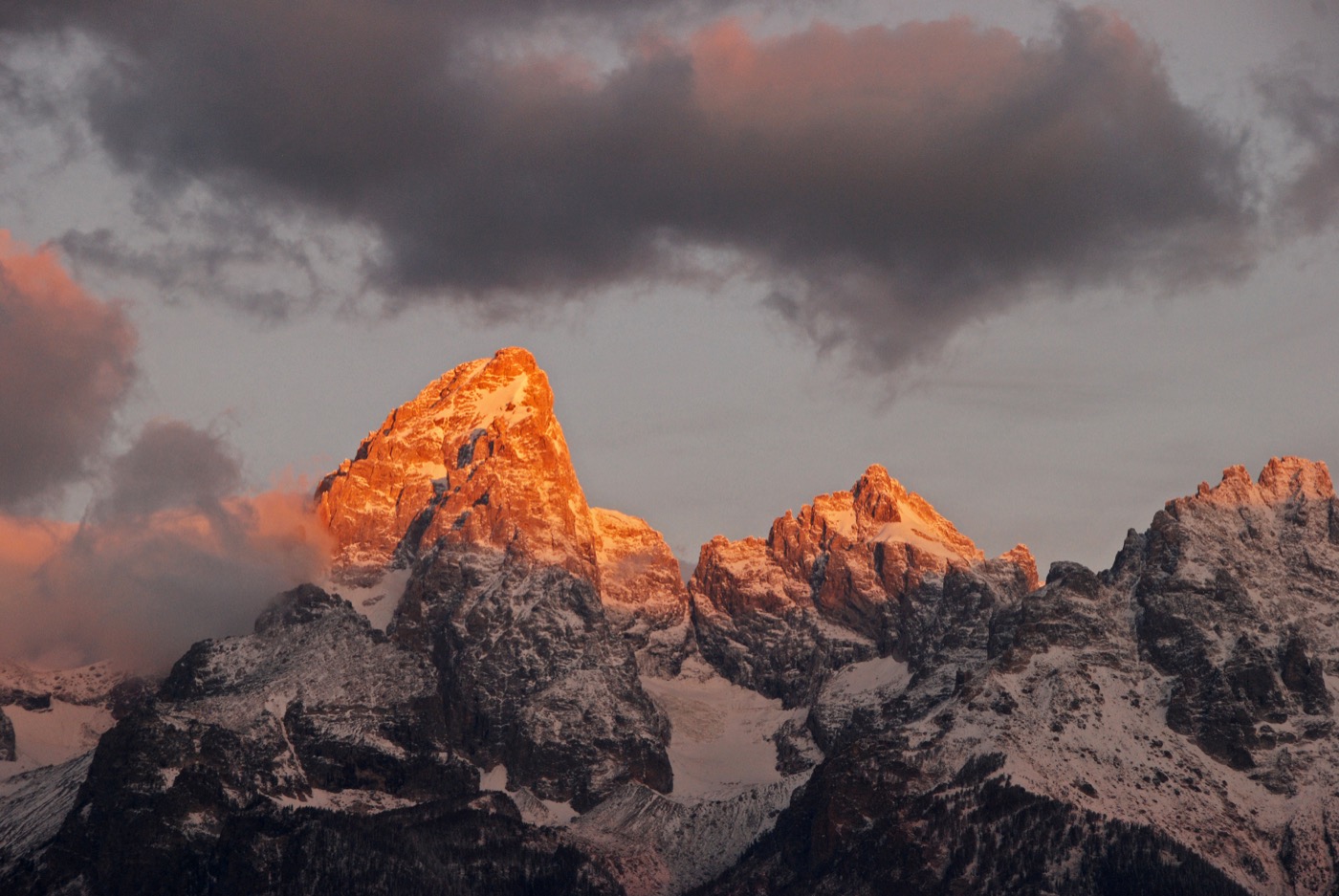
If you want a little flat walking
Not a hike, but a stroll. These keep the effort low while still feeling like you got out of the car.
- Lake Creek – Woodland Trail Loop at the Laurance S. Rockefeller Preserve: an easy, wide, mostly level loop to the shore of Phelps Lake. The NPS rates it easy, with gentle grades and a few roots and rocks. A genuinely pleasant payoff for modest effort.
- Phelps Lake Overlook: short on distance but it does climb, so it earns the view of the lake below. Good if you want one small uphill in the day; skip it if any incline is a dealbreaker.
- Many of the visitor centers (the Craig Thomas Discovery and Visitor Center at Moose, and Colter Bay) have paved areas, exhibits, and big windows on the range. An easy, air-conditioned reset, and where you buy the $35 vehicle pass if you didn't already.
Practical notes
- Best time: Late June through September for full road and service access. Snow and frost are possible any month here, and many facilities close in winter. July and August bring warm days, cool nights, and reliable afternoon thunderstorms. Do the open viewpoints in the morning.
- Getting in: $35 per private vehicle, good for 7 days. The America the Beautiful pass works too. Uniquely, Jackson Hole Airport (JAC) sits inside the park, so you can land and be at a viewpoint in minutes.
- Wildlife from the road: Moose, elk, bison, and grizzlies all live here, and the valley turnouts are some of the best viewing in the country. Stay in or beside your car, keep your distance, and never approach.
- Dogs: Be honest with yourself before you bring one. Pets are allowed in the park but only on roads, in parking areas, campgrounds, and picnic spots. Never on trails or the shoreline paths. They must stay leashed. The drives and overlooks work; the short walks above mostly don't.
Planning the real thing? Nestward builds a day-by-day plan for this park in minutes, free, no subscription. See how it works →