 Nestward
The Best Time to Visit Yellowstone
A month-by-month read on crowds, weather, and which roads are actually open.
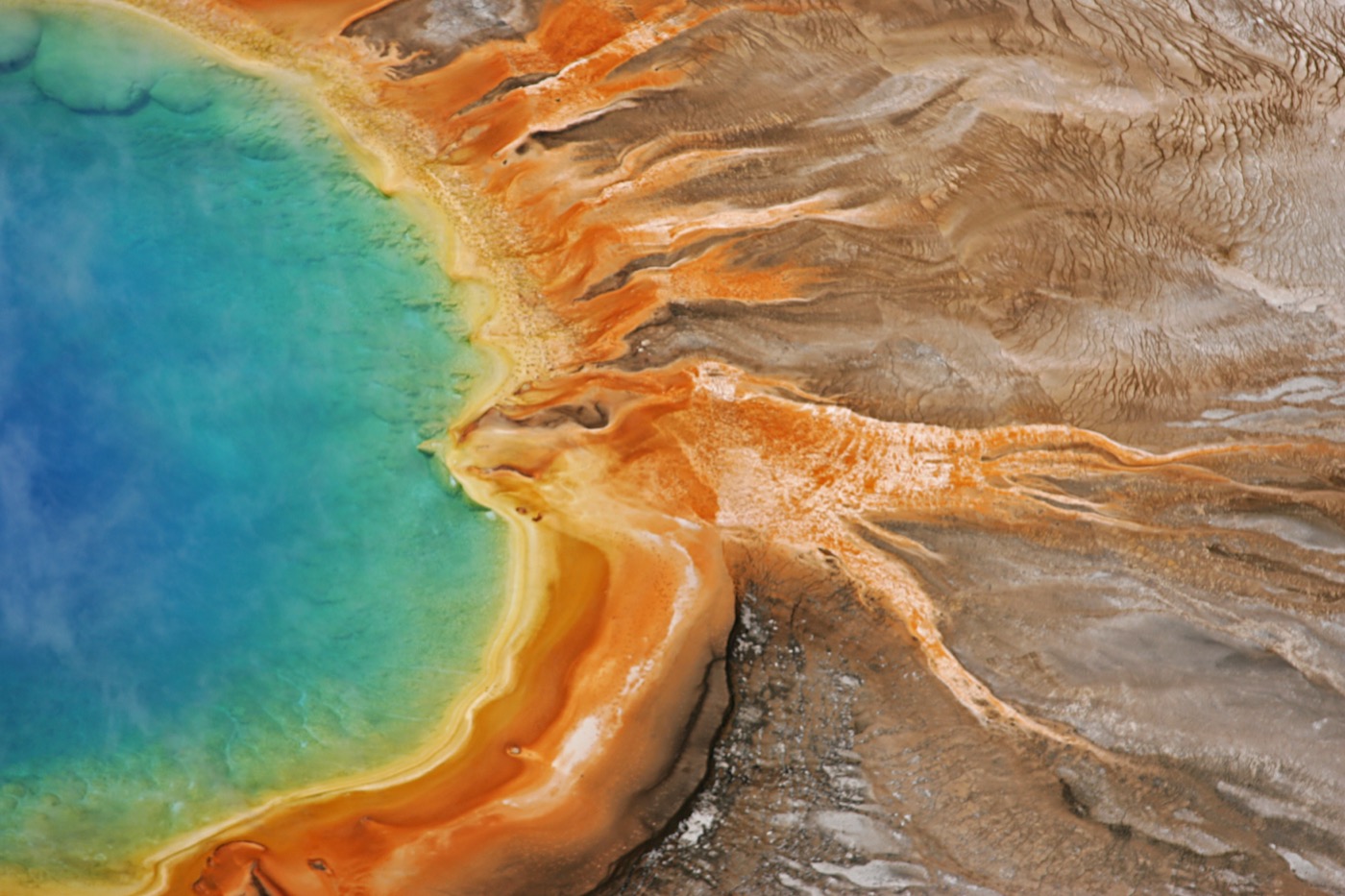
Yellowstone became the first national park in 1872, and today millions of people show up each year to camp, hike, and stare at geysers. That's the catch: the best weather and the worst crowds arrive at exactly the same time. Here's how to thread the needle, month by month.
The full picture: late May to mid-June, or September
If you only remember one thing, remember this. The sweet spots are the shoulders of summer. Late May into mid-June gives you green hillsides, baby bison, roaring waterfalls from snowmelt, and lighter crowds. September brings cool mornings, the elk rut (loud and dramatic), thinning visitors, and stable weather. July and August are gorgeous but packed. Yellowstone in a traffic jam is still a traffic jam.
One reality check the park is blunt about: it can snow in any month. Summer highs can top 70°F, then drop 20 degrees when a thunderstorm rolls through. Pack a warm jacket and rain gear no matter when you come.
Spring (April–May): roads open in pieces
This is the trickiest season to plan because the park opens gradually, entrance by entrance, and every date is weather-dependent:
- North Entrance (Gardiner, MT) is the only one open to cars year-round.
- West Entrance (West Yellowstone) typically opens to vehicles the third Friday in April.
- East Entrance usually opens the first Friday in May; South Entrance the second Friday in May.
- The Beartooth Highway past the Northeast Entrance often doesn't open until late May or early June.
April is quiet but limited. May rewards you: wildlife is active, newborn bison and elk are everywhere, and waterfalls run hard. Lower-elevation hikes like Rescue Creek Trail near the North Entrance melt out first, while high trails stay snowbound.
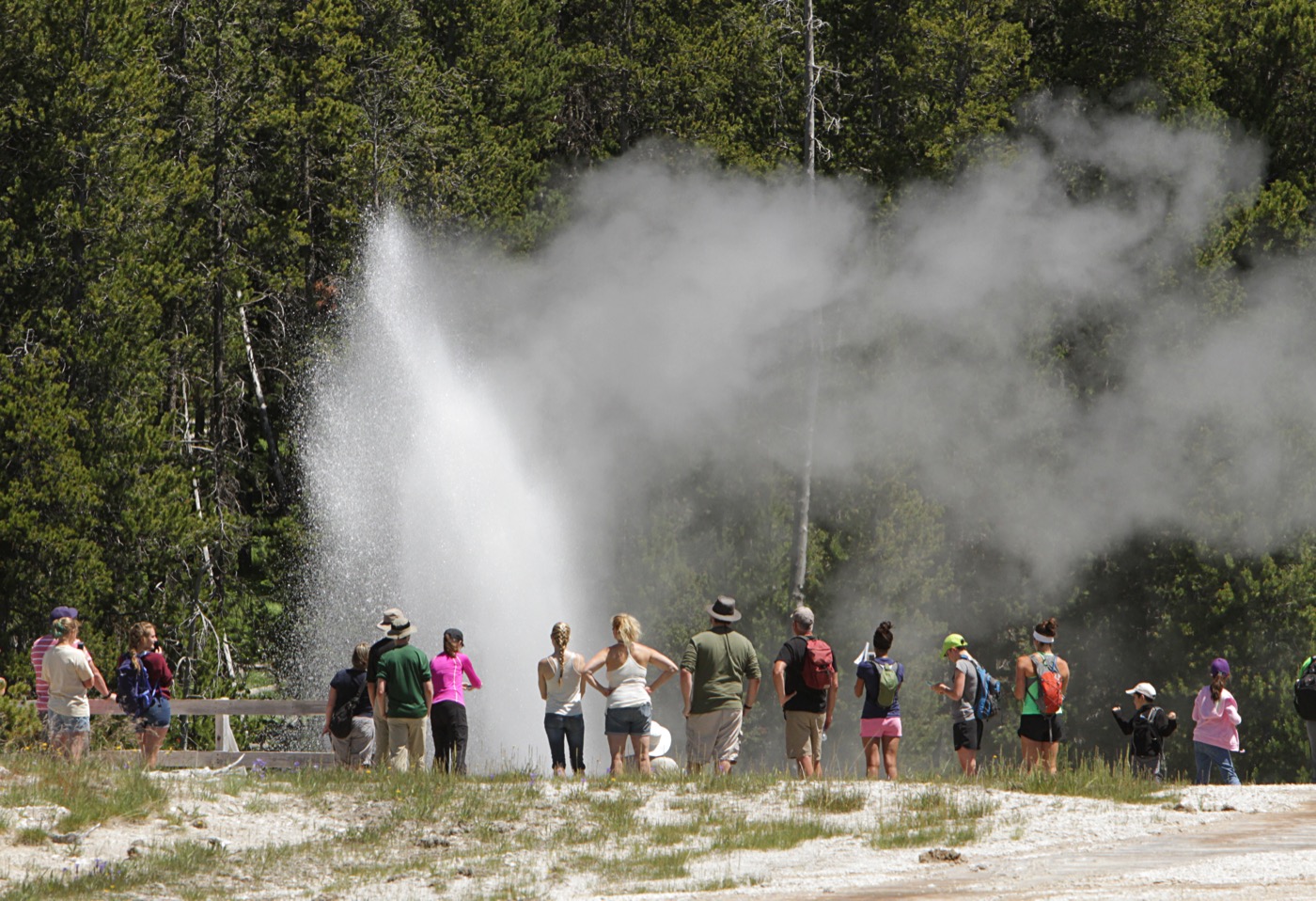
Summer (June–August): everything open, everyone here
By mid-June all five entrances and interior roads are typically open, and the park is at full tilt. This is when the famous high-country hikes come into play: Mount Washburn by way of the Dunraven Pass or Chittenden Road trails, the Grand Prismatic Overlook Trail, Fairy Falls Trail, and longer days out like the Specimen Ridge Day Hike.
The trade-off is crowds and heat-of-the-day chaos at the marquee stops. A few survival tactics:
- Be at Old Faithful, Grand Prismatic, or the Lower Falls at Artist Point before 9 a.m. or after 5 p.m.
- Book lodging and campgrounds months ahead. In-park spots vanish fast.
- Budget far more drive time than the map suggests. The entrances are hours apart, and wildlife jams (the legendary "bison block") are routine.
For families, summer is the path of least resistance: full services, ranger programs, and the Junior Ranger program all running. You just pay for it in people.
Fall (September–October): the quiet payoff
September might be the best all-around month. Crowds thin out after Labor Day, the air turns crisp, and the elk rut fills the Mammoth and Madison areas with bugling bulls. Most roads stay open through October, but the fall shoulder closures begin around November 1, with interior roads shutting to regular vehicles for the season. Bring layers, as overnight lows dip below freezing well before the snow flies.
Winter (December–March): a different park entirely
Winter Yellowstone is spectacular and genuinely hard to reach. Interior roads close to cars; most access is by snowmobile or snowcoach starting around December 15. The North Entrance and the road to Cooke City stay open to wheeled vehicles, but that's the exception. This is the season for watching Old Faithful erupt against the snow, spotting wolves in the Lamar Valley, and skiing routes like the Snow Pass Ski Trail near Mammoth. It's unforgettable, but it's a planned expedition, not a casual drive-through. And it's not the easiest first trip with young kids.
So when should you go?
First family trip, want everything open and easy: mid-June through August, and make peace with crowds. Want the park closer to itself: late May or September. Want magic and don't mind logistics: winter. Whatever you pick, check road status before you leave. In Yellowstone, "open" always comes with an asterisk that reads "weather permitting."
Planning the trip? Nestward builds a day-by-day plan in minutes, free, no subscription. See how it works →