 Nestward
The Best Time to Visit Mount Rainier
A month-by-month guide to wildflowers, snow, and the weeks worth planning around.
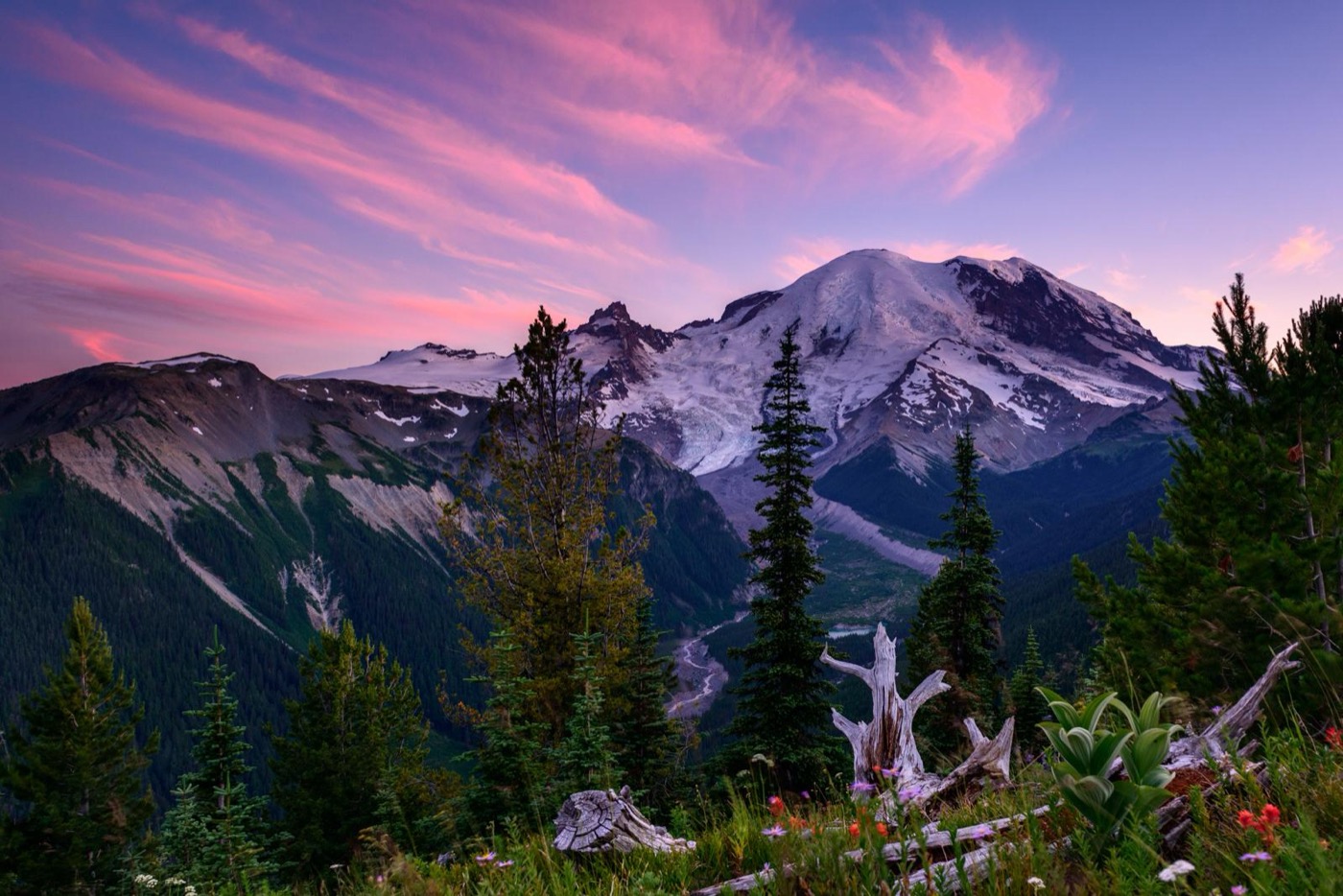
Mount Rainier runs on its own schedule, and that schedule is mostly snow. The 14,410-foot volcano holds more glaciers than any peak in the contiguous U.S., which means winter lingers here long after the rest of Washington has moved on. Picking the right month is less about weather luck and more about knowing when the roads, meadows, and crowds actually line up.
The short answer: late July through August
If you want the postcard version of Rainier (open roads, subalpine wildflower meadows in full bloom, every trail accessible), come in late July or August. The catch is that everyone else knows this too. Paradise and Sunrise, the two showpiece areas, fill their parking lots by mid-morning on summer weekends, and timed-entry reservations have been part of peak-season visits in recent years. Arrive early, or go midweek if you possibly can.
September is the quietly excellent runner-up: thinner crowds, crisp air, and roads still open before the first big snows.
Month by month
- December–March: Deep winter. Snow stacks up by the foot, and Paradise becomes a snowshoe-and-sledding destination rather than a hiking one. The road to Paradise is plowed when conditions allow, but it gates closed nightly and after storms, and vehicles are required to carry tire chains. Longmire stays accessible and is a lovely, quiet base; "Explore Longmire in Winter" is a real thing here. Sunrise and the east side are closed entirely.
- April–May: Spring on paper, winter in practice up high. Lower forests start to green and waterfalls run hard with snowmelt, but the meadows are still buried. This is the season for lower-elevation outings and the park's spring recreation programs. Sunrise Road stays closed.
- June: The thaw. Snow recedes from Paradise, but expect lingering drifts on trails well into the month. Sunrise Road typically doesn't open until late June or early July. Waterfalls peak, a good window for the Silver Falls hike near Ohanapecosh.
- Late July–August: Peak everything. Wildflowers carpet the subalpine meadows, all roads are open, and the kid-friendly hikes and day hikes are at their best. Also peak crowds and peak parking stress.
- September–early October: The sweet spot. Crowds thin after Labor Day, weather often holds clear and golden, and you can still drive the full loop around the mountain. The first serious snows can arrive any time, so watch the forecast.
- Late October–November: Shoulder turning to winter. Sunrise Road closes for the season, and Paradise weather grows unpredictable. Beautiful and empty, but plan for closures.
The closures that actually matter
Two roads dictate most of your planning. The road to Paradise (the southwest hub) stays open year-round in daylight but gates nightly in winter and closes during storms, and chains are mandatory in the cold months. Sunrise Road on the northeast side is the highest you can drive in the park, and it's seasonal: closed until roughly late June and shut again by mid-fall. If Sunrise is on your list, you're effectively locked into July through September.
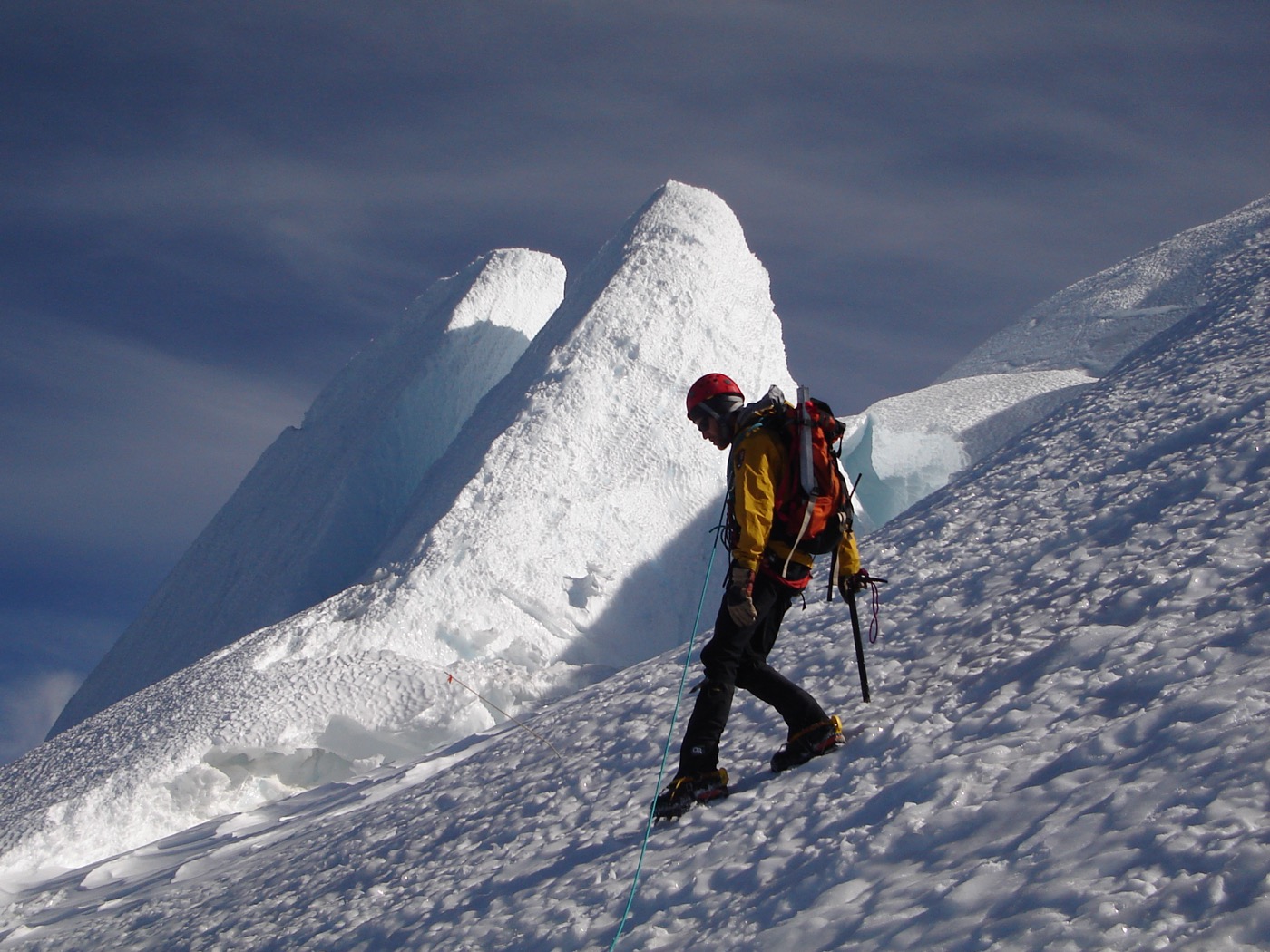
Mountaineering runs on a different clock entirely. Climbing Mount Rainier is mostly a late-spring-to-summer pursuit, with the classic season running May into early September.
Picking your trade-off
- Want wildflowers? Late July to mid-August, no real substitute. Bloom timing shifts a week or two each year with the snowpack.
- Want fewer people? September, hands down. Same open roads, half the cars.
- Traveling with kids? Summer makes the kid-friendly hikes and meadow trails snow-free and forgiving. Skip the deep-winter trip unless sledding at Paradise is the whole point.
- Want solitude and snow? January and February at Longmire. Just respect the chain requirement and the nightly gate closures.
The verdict: there's no bad time to see Rainier, but there's a wrong time for your specific trip. Wildflowers and snowshoeing live in different months. Decide which Rainier you're after first, then pick the date.
Planning the trip? Nestward builds a day-by-day plan in minutes, free with no subscription. See how it works →