 Nestward
A First-Timer's Guide to Mount Rainier
What to know before your first visit to Washington's 14,410-foot volcano
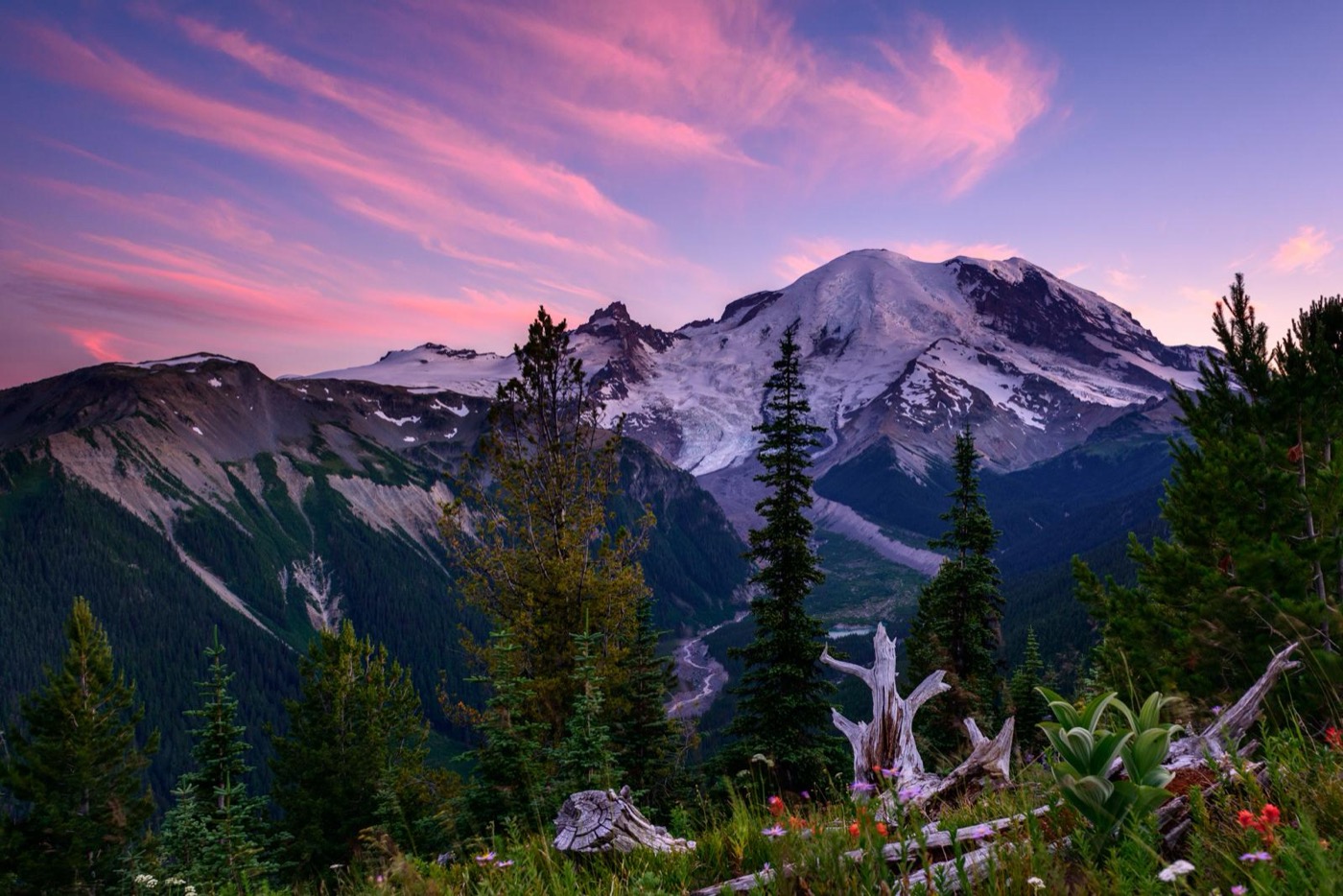
Mount Rainier is the most glaciated peak in the contiguous U.S., and on a clear day it dominates the horizon for a hundred miles. But "clear day" is the catch. This is a wet, weather-changeable mountain in western Washington, and a first visit goes a lot better when you plan around that. Here's how to spend your first day or two without spending it in the car or the fog.
When to go (and why timing is everything here)
The park is open all year, but for a first-timer, summer is the answer. July and August are the warmest, sunniest months, and they're when the famous subalpine wildflower meadows actually bloom. Summer highs run in the 60s and 70s. Pack a layer regardless.
Two things to know before you commit to a date:
- At higher elevations like Paradise, winter lingers. There can be feet of snow on the ground into May or June, which buries the meadow trails you came to see.
- Rain is very likely in spring, fall, and winter. If you visit off-season, build in flexibility, and a backup plan for a "cloudy day," which the park itself plans around.
Which entrance: pick one side, don't try to do it all
Rainier is big, and the roads around it are steep, narrow, and winding. The mountain in the middle means there's no quick way to cross from one side to the other. For a first visit, anchor yourself to one of two areas:
- Nisqually / Paradise (southwest): The Nisqually Entrance off SR 706 near Ashford is open year-round and is the classic first-timer's gateway. It leads up to Paradise, the park's wildflower-meadow showpiece.
- White River / Sunrise (northeast): Sunrise is the highest point you can drive to in the park and has the big head-on views of the mountain. But it's seasonal: the road typically opens late June and closes by mid-October.
Entry is $30 per private vehicle, good for seven days. If you arrive before or after staffed hours at an entrance, buy a pass online at Recreation.gov in advance. One heads-up for 2026: the Carbon River Entrance is closed all year due to a bridge closure, so don't route through the northwest corner.
The trails to do first
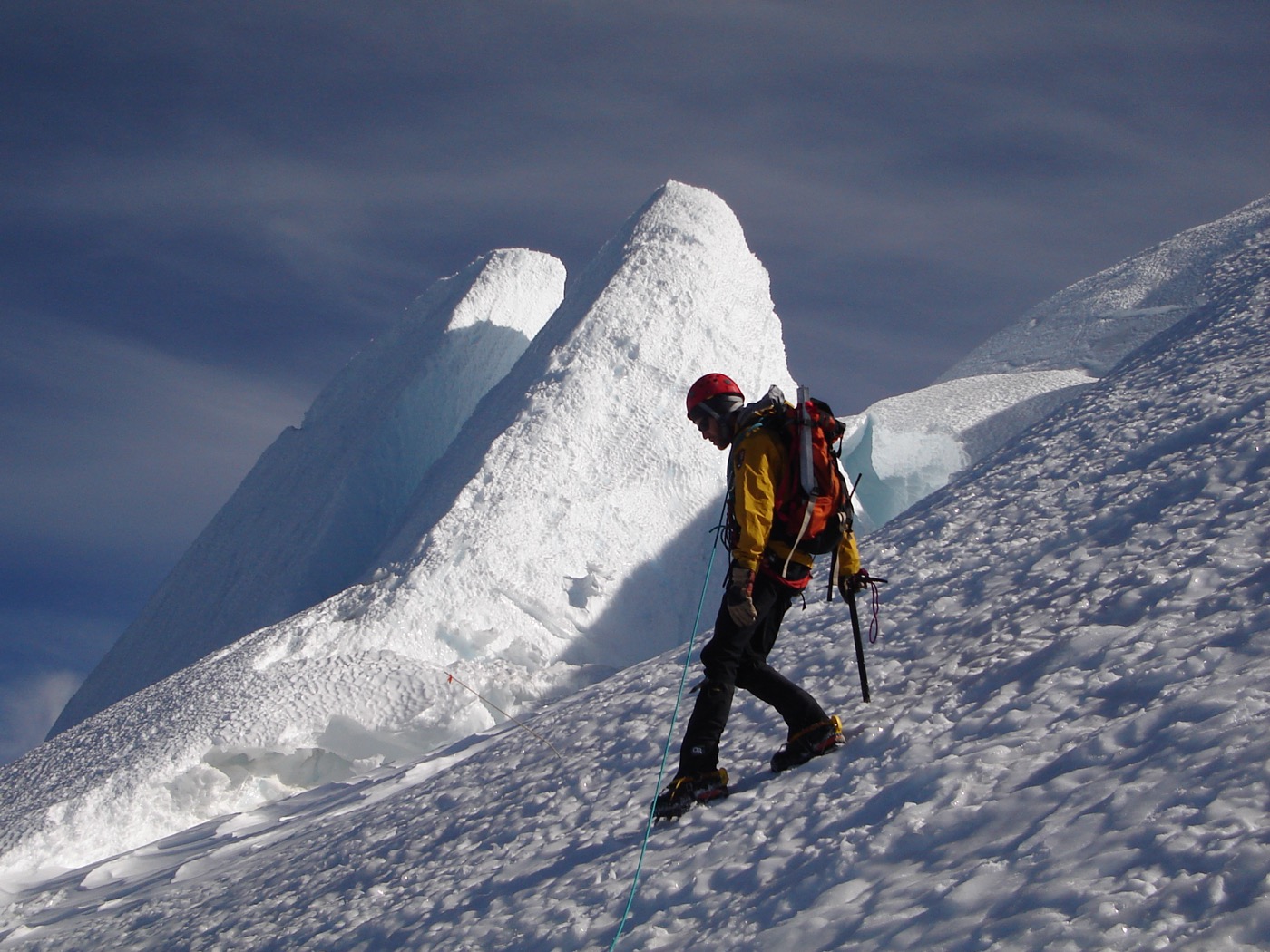
You don't need to be a mountaineer. Almost 10,000 people a year attempt the summit climb, and that is emphatically not a first-timer activity. The day hikes below are where you actually meet the park:
- Glacier Vista, in the Paradise meadows: The Paradise area is laced with paved and stone trails climbing through wildflowers toward the glaciers. Glacier Vista gets you a close look without serious commitment.
- Sourdough Ridge Trail, at Sunrise: An easy ridge walk with sunrise (and all-day) views straight at the mountain. This is the payoff for driving the Sunrise Road.
- Silver Falls, near Ohanapecosh: A forested loop to a powerful waterfall on the southeast side, a good rainy-day or hot-day option under the trees.
- The Silver Forest Trail, at Sunrise: Short, with the sweeping White River valley view in the photo above.
If you have a half-day to spare, the "Road Trip Around the Mountain" (the loop of park roads through Longmire, Paradise, and Stevens Canyon) is a fine scenic-driving day when the weather won't cooperate for hiking.
Visiting with kids
Rainier is genuinely kid-friendly if you pace it. A few notes from how the park sets itself up:
- The park flags specific Kid-Friendly Hikes: short, manageable loops rather than the meadow climbs that gain real elevation. Pick those first.
- There's a Junior Ranger Program: a free booklet and badge that gives kids a reason to slow down and look at the marmots and wildflowers instead of asking how much farther.
- Longmire is a low, gentle base: historic buildings, a flat stroll, a place to eat, and the Valor Memorial. Easy to do with little legs after a bigger morning.
- Altitude is mild at the main areas, but Paradise and Sunrise both sit high. Kids tire faster up there, so plan shorter distances and more snack breaks than you would at sea level.
The bottom line
Rainier is worth it for almost any first-time visitor, but the experience lives and dies by the weather. Give yourself two days if you can, so a foggy first morning doesn't sink the trip. Check the forecast, pick your side of the mountain, start early to beat the summer parking crush at Paradise, and bring a rain layer even in August.
Planning the real thing? Nestward builds a day-by-day plan for this park in minutes, free, no subscription. See how it works →