 Nestward
The Best Time to Visit Grand Teton
A month-by-month guide to crowds, weather, and what's actually open.
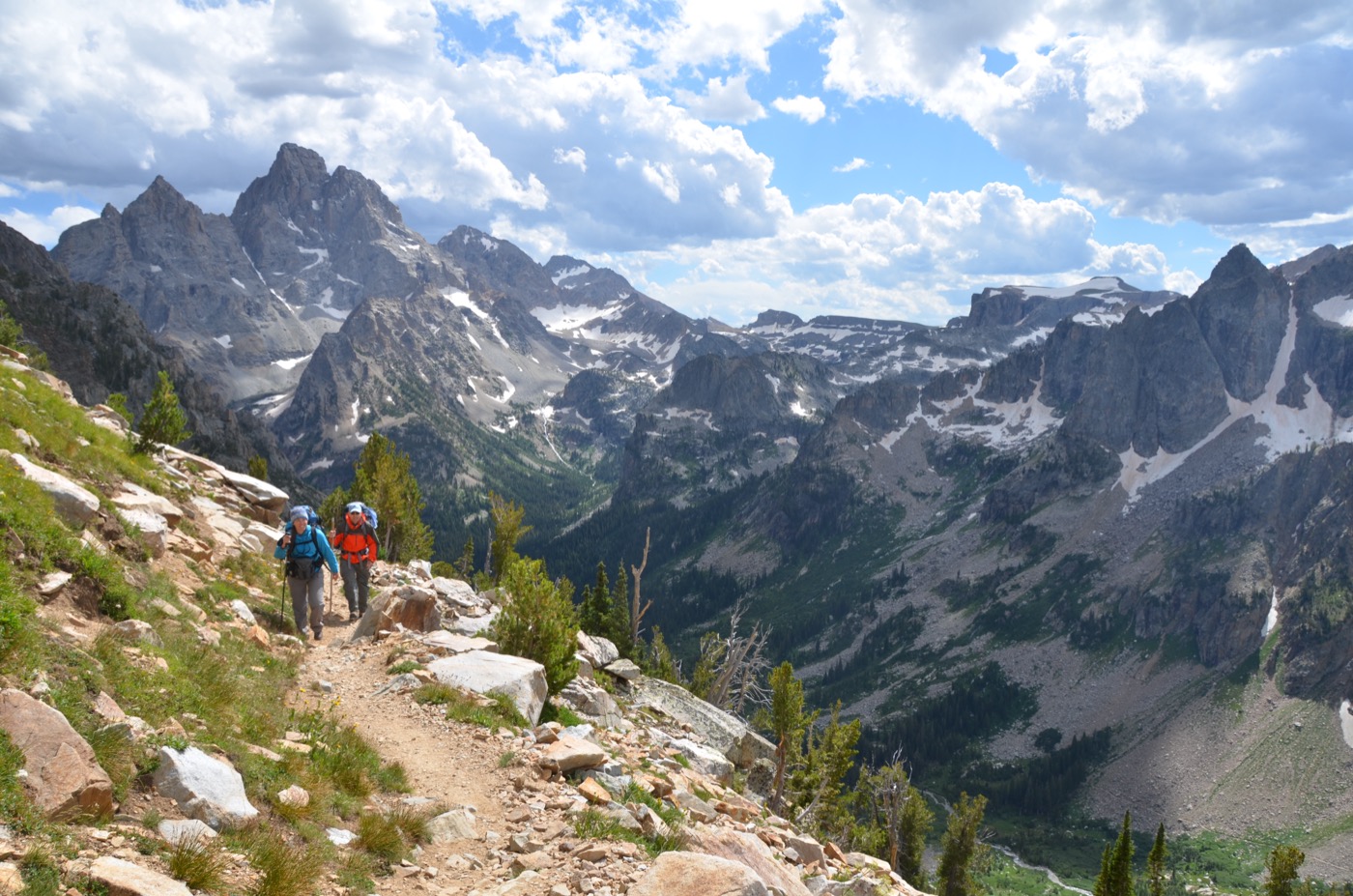
Grand Teton, in northwestern Wyoming, packs jagged peaks, pristine lakes, and a lot of wildlife into a compact park just south of Yellowstone. The truth: the calendar matters here more than at almost any park. Long, cold winters mean snow and frost are possible any month, and the season you pick decides which roads, trails, and lakes you actually get.
The two sweet spots
If you want the short version: mid-June through early September is the safest bet for a family. Everything is open, the high trails are clear of snow, and the lakes are warm enough for kids to dip their feet. The trade-off is crowds and afternoon thunderstorms.
The quieter, prettier alternative is mid-September into early October. The aspens turn gold, the crowds thin out fast after Labor Day, bull moose are in the rut, and the Oxbow Bend and Schwabacher Landing reflections are at their best. The catch: nights get cold quickly and the first real snow can arrive any time.
Month by month
- December–March: Deep winter. The interior Teton Park Road is closed to cars and groomed for cross-country skiing and snowshoeing. Frigid nights, sunny days between storms. Beautiful and very quiet, but a logistics project with young kids.
- April: Shoulder season at its most unpredictable. Mild days alternate with rain and snow. Many roads and facilities are still closed or just reopening. Skip it unless you love empty parks and don't mind mud.
- May: The valley greens up and wildlife is active, but high trails are still buried in snow and the Moose-Wilson Road may not be fully open. Lower walks like the Phelps Lake and Lake Creek–Woodland Trail loops near the Laurance S. Rockefeller Preserve start to come into play.
- June: Things open in earnest. Early June can still have snow on the passes; by late June, wildflowers like arrowleaf balsamroot are out and most trails are clear. Rivers run high and fast from snowmelt. Keep kids back from the banks.
- July–August: Peak season. Warm days, cool nights, and near-daily afternoon thundershowers. Everything is open: Cascade Canyon, Death Canyon, the Hermitage Point and Granite Canyon trails, boat shuttles, the works. It's also the most crowded and the hardest time to get lodging or a campsite.
- September: The standout month. Early September keeps summer weather with fewer people; by mid-month the aspens turn and moose come down into the valley. Pack layers. Daytime can be warm, with mornings near freezing.
- October: Fall color fades and the park starts shutting down for winter. Crisp, quiet, and stunning early in the month, but services close and snow returns. A gamble worth taking if you're flexible.
- November: The in-between month. The interior road closes to cars (typically around the start of the month), wildlife migrates, and winter is moving in. Few visitors, fewer open services.
What "closed" actually means here
The big one is the inner Teton Park Road between the Taggart Lake area and Signal Mountain. It closes to vehicles for winter and reopens (snowmelt permitting) around late April or May, becoming a non-motorized route in the meantime. The Moose-Wilson Road is narrow, partly unpaved, and the last to open and first to close. Don't count on it in spring or late fall. Higher trails like Death Canyon to the Static Peak Divide junction or Marion Lake hold snow into early summer. Always check current road and trail status before you go; conditions swing year to year.
A few logistics that save the trip
- The entrance fee is $35 per vehicle for 7 days. If you're also doing Yellowstone or other parks, the $80 America the Beautiful annual pass pays for itself fast.
- Jackson Hole Airport (JAC) is the only commercial airport inside a U.S. national park. It's literally in the park, which makes flying in unusually easy.
- Summer lodging and campgrounds book out months ahead. Decide your dates early.
- This is grizzly and black bear country. Carry bear spray, know how to use it, and store food properly, even on short family walks.
- Whatever month you pick, bring layers. Cold nights are the rule, not the exception, even in July.
Planning the trip? Nestward builds a day-by-day plan in minutes, free, no subscription. See how it works →