 Nestward
The Best Time to Visit Glacier
A month-by-month guide to crowds, weather, and the road that runs the whole show.
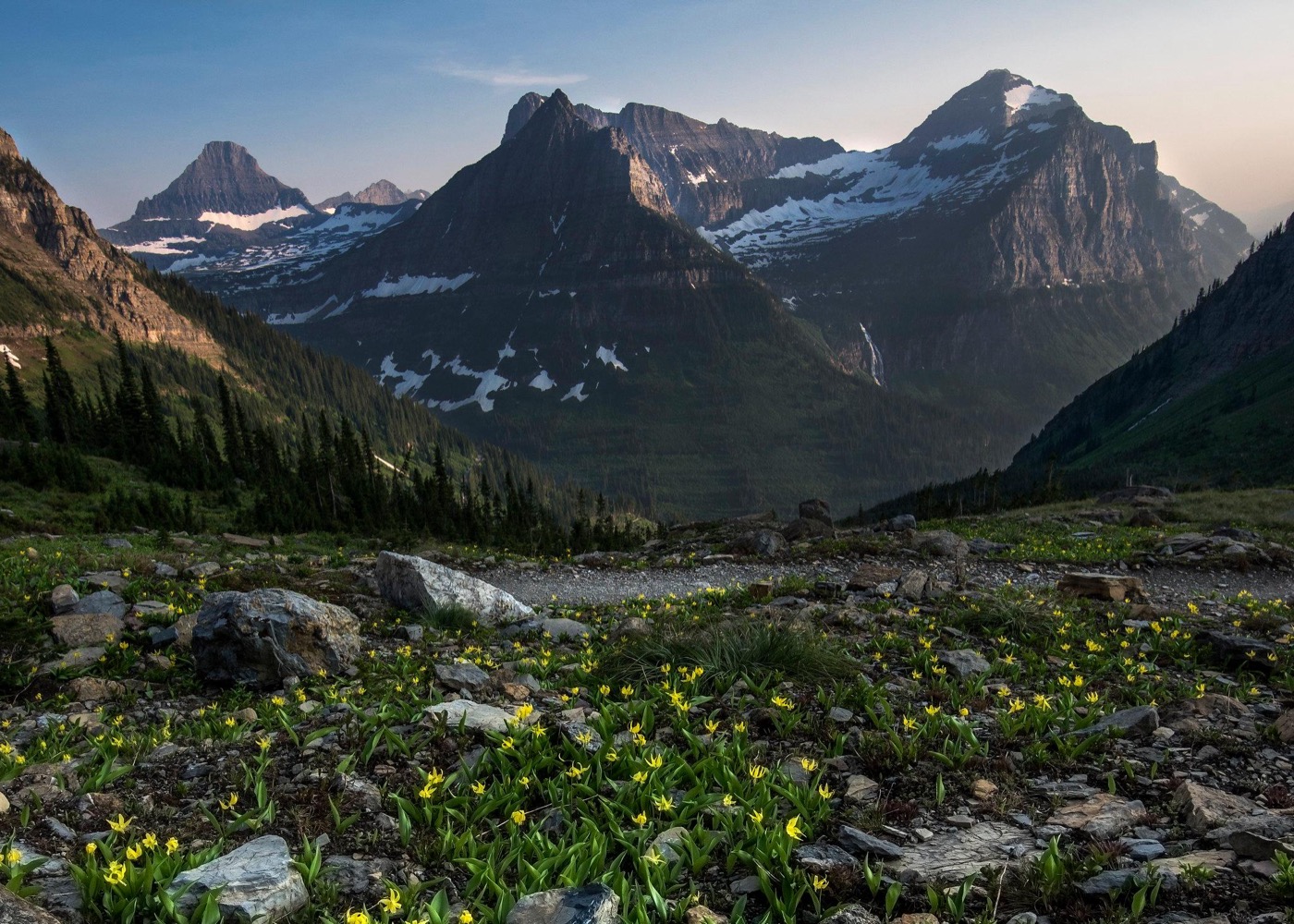
Glacier is a park with one giant catch: the famous Going-to-the-Sun Road usually isn't fully open until late June or July, and it closes again with the first heavy snow. Everything about timing a trip here bends around that road. Here's how the year actually plays out, month by month, so you don't drive to Montana and find the best part gated shut.
The one thing that decides your trip: the road
Going-to-the-Sun Road is the spine of Glacier. It climbs over Logan Pass on the Continental Divide and connects the busy west side (Lake McDonald) to the quieter east (St. Mary). Plowing it out each spring takes weeks, and the full alpine stretch typically doesn't open until late June or into July. The lower sections near Lake McDonald and St. Mary stay open longer on each end, but the high middle is the payoff, and it's the part with a real season.
The park also runs a vehicle reservation system on the road and a few other corridors during peak summer. The exact dates and rules shift year to year, so check nps.gov/glac before you book, and assume you'll need a timed-entry reservation if you're visiting June through September.
Spring (April–June): patience required
- April–May: The park is open 24/7 year-round, but the alpine road is still buried. You can hike or bike the lower, plowed sections (often gloriously car-free before they open to vehicles), see Lake McDonald, and catch waterfalls at full spring roar. Trails up high are snowbound. Entrance fees run a discounted winter rate through April 30.
- June: The shoulder gamble. Wildflowers start, days get long, and crowds are still building, but Logan Pass and the high trails may not be open yet. Weather is genuinely unpredictable; Glacier sits where warm Pacific air slams into cold Arctic air, and you can get sun, rain, and snow flurries in one day. Pack layers and a rain shell, no matter the forecast.

Summer (July–August): the sweet spot, and the crowds
This is when Glacier is fully open and at its best, and when everyone knows it. Going-to-the-Sun Road is clear, Logan Pass is reachable, and the high trails like the Highline are melted out. Warm, sunny days are common, though afternoon thunderstorms roll through and mountain weather still turns fast.
- The catch: July and August are crowded. Logan Pass parking fills early, and the vehicle reservation system is in effect. Lodging inside the park and in gateway towns books out months ahead.
- How to beat it: Start before 7 a.m. The road and trailheads are calm at dawn and the light on the peaks is the best you'll get. Glacier lilies bloom across the alpine meadows near Logan Pass in mid-summer, worth an early start on their own.
- With kids: Long daylight helps, but the alpine trails involve real elevation and exposure. Lower options like St. Mary Falls and the Lake McDonald shoreline give you big scenery without a punishing climb.
Early fall (September–mid-October): the quiet winner
If you can swing it, this is the locals' pick. The road is usually still open through September, crowds thin noticeably after Labor Day, larch trees turn gold on the slopes, and wildlife gets active. Days are cooler and shorter, nights are cold, and the first real snowstorm can close the high road with little warning, sometimes in September, more often October. It's a trade: better solitude and color for a shorter, less certain window. Book flexible if you go this route.
Winter (mid-October–March): a different park
Glacier doesn't close, but it transforms. The alpine road shuts, and the park becomes a place for snowshoeing and cross-country skiing on quiet, snow-covered terrain, plus excellent dark-sky nights. Most services close, the winter entrance rate kicks in November 1, and you'll need real cold-weather gear. This isn't a sightseeing-by-car trip; it's for people who want silence and snow.
So when should you go?
- Best overall: Mid-July through mid-September. Everything's open.
- Best for fewer people: The week after Labor Day into late September.
- Best for fall color and quiet: Late September, with a flexible plan.
- Skip if you want the full road: April through mid-June. The high alpine stretch likely won't be open.
Planning the trip? Nestward builds a day-by-day plan in minutes, free with no subscription. See how it works →