 Nestward
The Best Time to Visit Bryce Canyon
A month-by-month look at crowds, weather, and what's actually open.
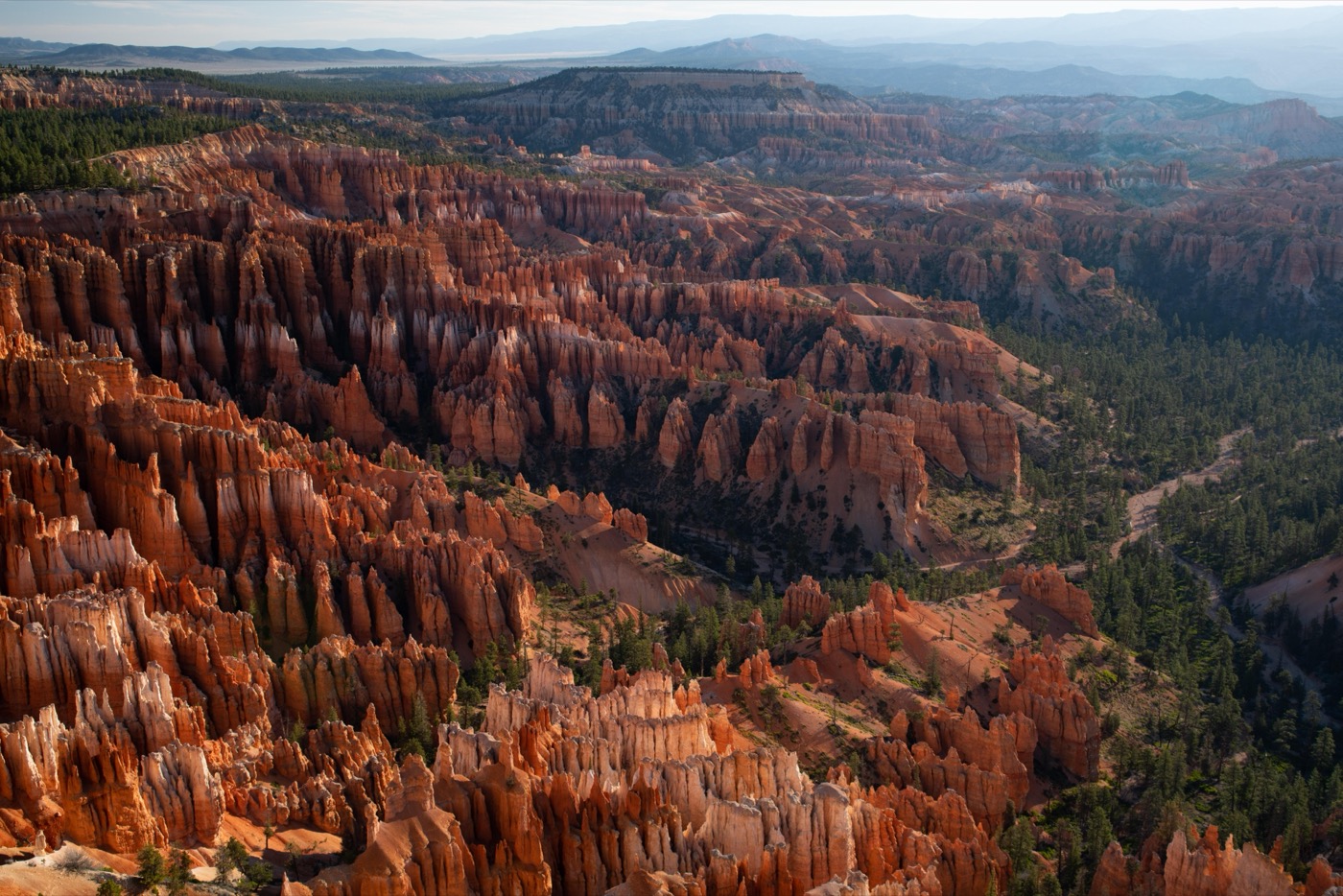
Bryce isn't your typical red-rock desert park. It sits at roughly 8,000 feet on top of the Grand Staircase, which means real winters, late springs, and afternoon thunderstorms in summer. The hoodoos look stunning year-round, but what's open, how cold it gets, and how many people you'll share the rim with change dramatically by month. Here's how to pick your window.
The short version
If you want the best balance of good weather, open trails, and tolerable crowds, aim for late May through early June or mid-September through early October. Summer is gorgeous but busy and stormy in the afternoons. Winter is quiet and magical, but cold, snowy, and partly closed. There's no truly bad time, just trade-offs.
Spring (March–May): late to arrive
Bryce sits high enough that spring runs behind the calendar. The park notes that storms in March and April can still drop heavy snow, and overnight temperatures fall below freezing through May. Early spring means icy trails below the rim and possible closures on routes like the Queen's Garden Trail and the Navajo connectors when conditions are bad. By late May, things warm up, the snow mostly clears, and crowds are still moderate. Late May is one of the genuine sweet spots: green at the rim, mild days, and the shoulder-season calm before summer hits.
Summer (June–August): peak everything
This is when most families come, and it shows. Parking at the popular Bryce Amphitheater viewpoints fills early, and the shuttle is your friend. The upside: warm days in the 70s and 80s, all trails open, and the full slate of ranger programs running, including the Rim Walk with a Ranger, the Hoodoo Geology Talk, and the Bryce Canyon Evening Program.
- Afternoon storms: July and August bring frequent afternoon thunderstorms. Hike below the rim early and be back up top by early afternoon. Lightning at 8,000 feet is no joke.
- Crowds: Mid-June through August is the busiest stretch. Arrive at viewpoints before 9 a.m. or after 5 p.m. for room to breathe.
- Night skies: As a Gold Tier International Dark Sky Park, Bryce is a stargazing standout, and summer is prime for the astronomy ranger programs and catching the Milky Way over the hoodoos.
Fall (September–October): the other sweet spot
Many regulars call this the best time to visit. After Labor Day the crowds thin noticeably while the weather often stays pleasant well into September. Days are cool and clear, the light is excellent for photos, and longer hikes like the Fairyland or Riggs Spring Loop are comfortable rather than punishing. The catch: the high country cools fast. By mid-to-late October, freezing nights return and the first snows can arrive without much warning. If you're chasing the quiet-but-still-warm window, target mid-September through the first week of October.
Winter (November–February): quiet, cold, and beautiful
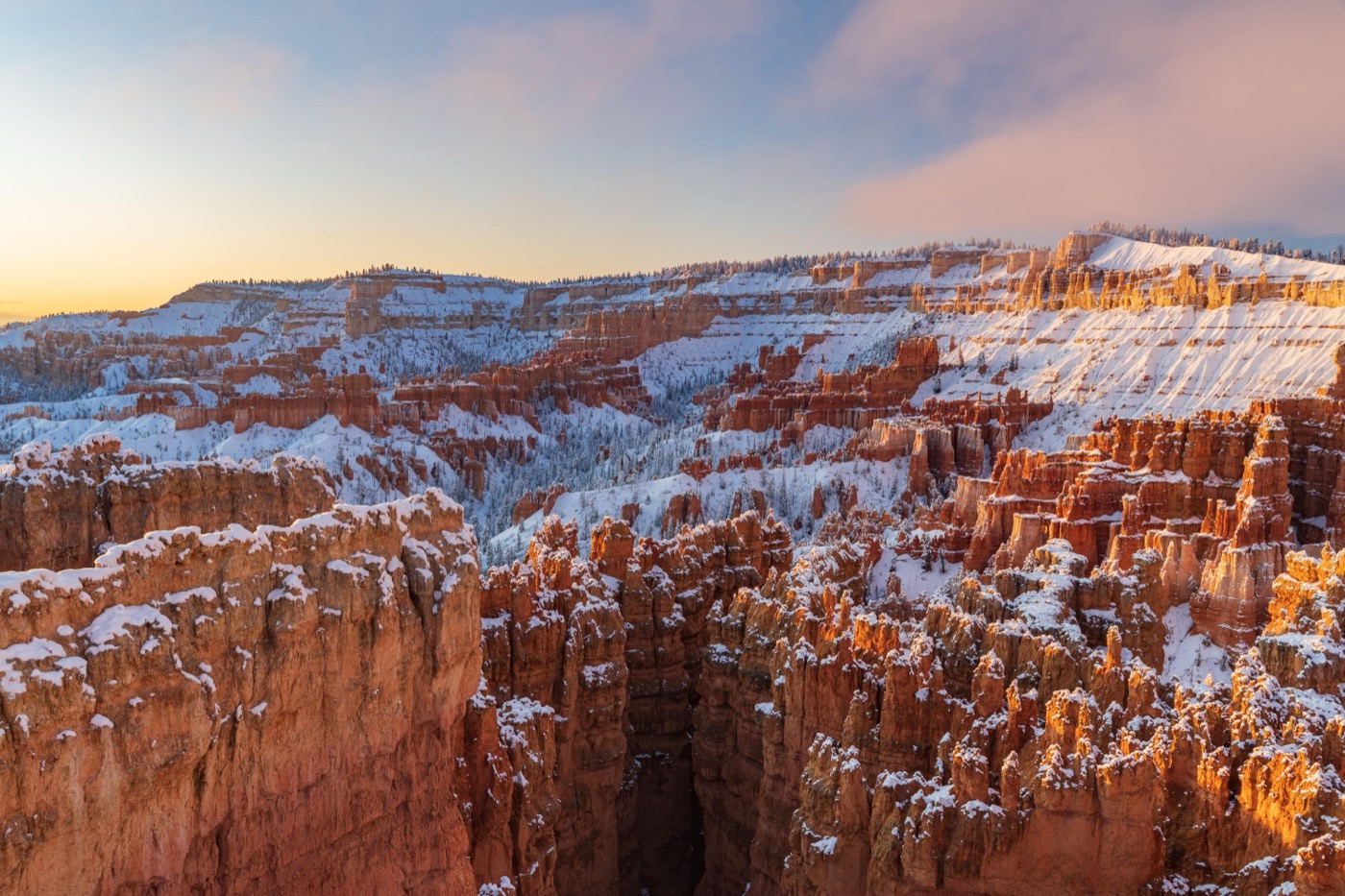
Snow on red hoodoos is one of the great sights in the park system, and winter is when you'll have it nearly to yourself. The park is open 365 days a year, but it earns its reputation as the coldest, snowiest stretch from December through February, with nights well below freezing.
- Closures: Snow forces seasonal closures on some areas and below-rim trails. Plan around rim viewpoints and check current conditions before you go.
- Winter activities: This is the season for cross-country skiing and snowshoeing along the rim, plus a much shorter ranger-program schedule.
- Logistics: Roads can be icy, the summer shuttle isn't running, and services in the gateway area are limited. Pack layers, traction, and patience.
For a family, winter works best as a short, scenic visit rather than a big-hiking trip. Kids love the snow; just keep the outings brief and the hot chocolate close.
So, when should you go?
Pick fall if you want quiet and don't mind a chance of early cold. Pick late spring if you want mild weather and open trails without the August crush. Pick summer if you're locked into school break. Just hike early and respect the afternoon storms. And if you want the park almost to yourself and don't mind the cold, winter delivers a version of Bryce most visitors never see.
Planning the trip? Nestward builds a day-by-day plan in minutes, free, no subscription. See how it works →