 Nestward
The Best Easy Hikes in Yellowstone
Short trails and boardwalks that show off the best of the park, without a grueling climb.
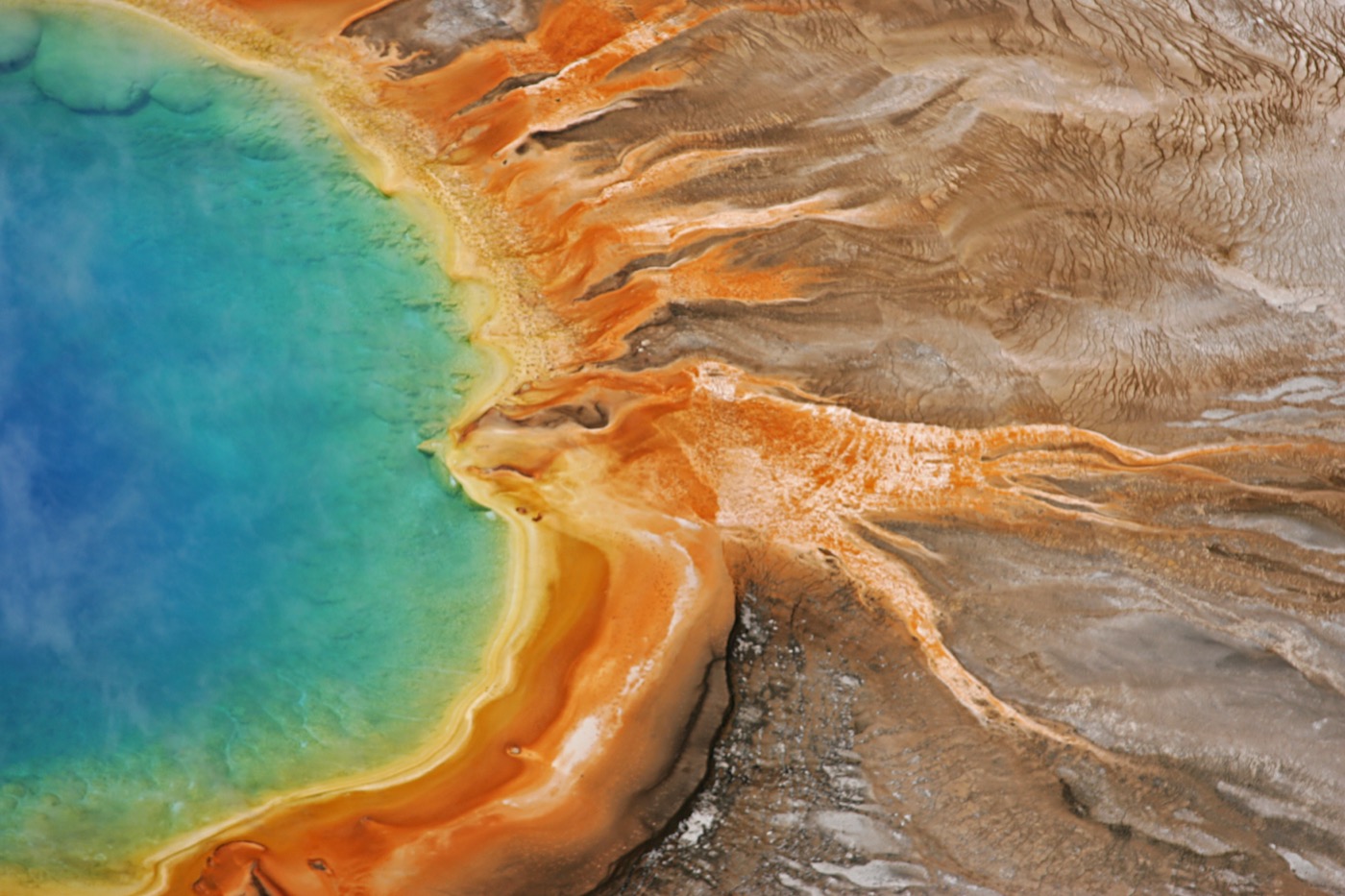
Yellowstone was the first national park, set aside in 1872 for its hydrothermal wonders: geysers, hot springs, and steaming basins you won't find anywhere else. The good news for short legs and tired families: a lot of the best stuff is reachable on flat boardwalks and gentle trails. You do not need to be a hardcore hiker to see the highlights.
Below are the short, easy hikes worth your time, with real distances and difficulty. A note on scale first: Yellowstone covers nearly 3,500 square miles, and it takes hours to drive between entrances. These hikes are spread across the park, so plan them around where you're already driving rather than trying to do them all in one day.
Geyser-basin boardwalks (the easy wins)
If you only walk one thing, make it a geyser basin. These are flat, mostly accessible boardwalks where the scenery does all the work.
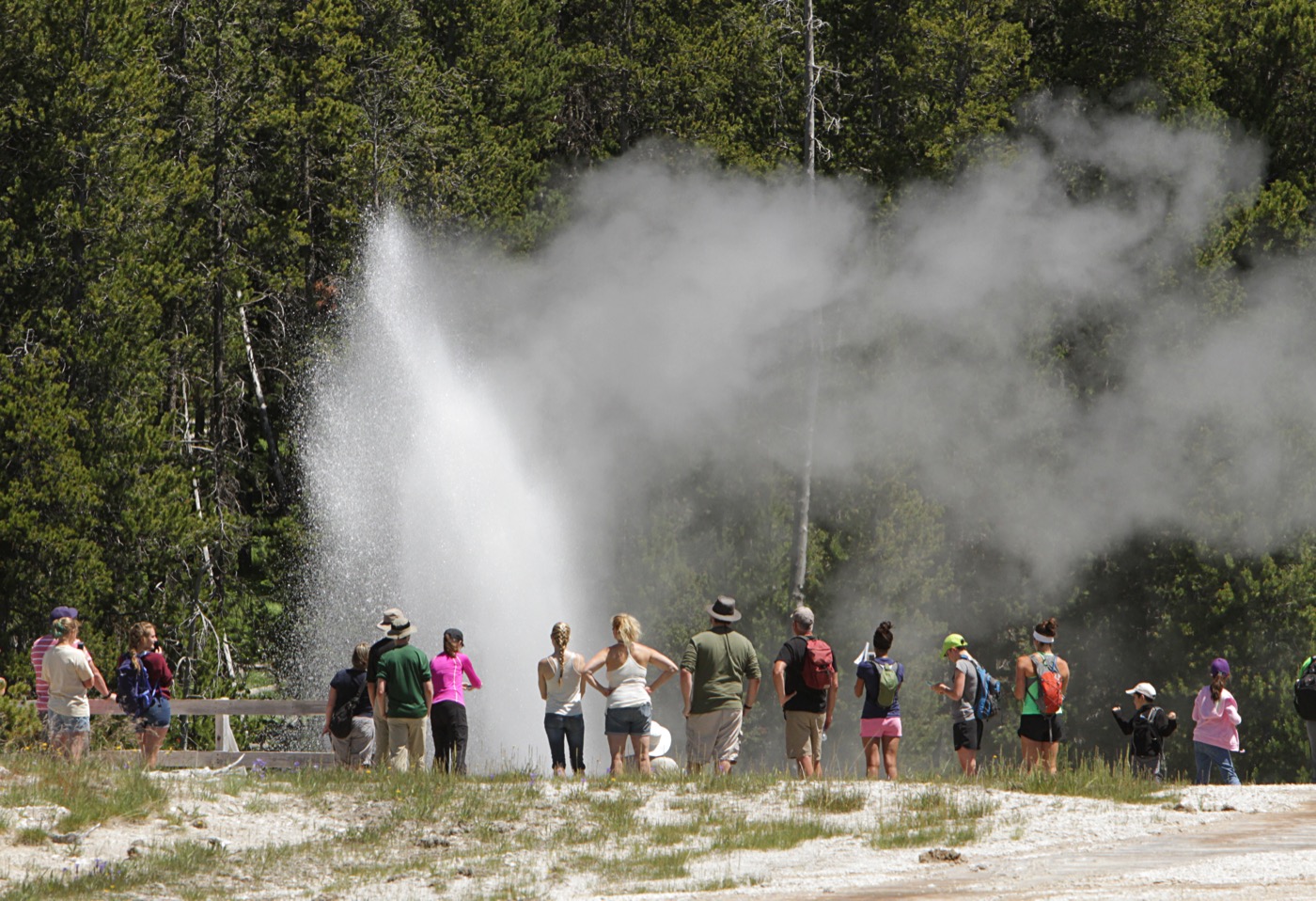
- Upper Geyser Basin / Old Faithful area: A network of level boardwalks links Old Faithful with dozens of other geysers like Beehive and Aurum. Walk as little or as much as you want; even a half-mile loop is rewarding. Check the predicted eruption times posted at the visitor center so you're not standing around guessing.
- West Thumb Geyser Basin: A short, roughly half-mile boardwalk loop right on the shore of Yellowstone Lake, with the deep blue of Black Pool against the water. Quick, flat, and gorgeous.
- Mud Volcano Trail: A short loop boardwalk past turbulent pools of hot, muddy water, hillsides of steam-cooked trees, and some genuinely strange smells. Kids tend to love how alien it feels. It's mostly flat with a few gentle grades.
On all of these: stay on the boardwalk. The ground around thermal features is thin and the water is scalding. This is the one rule you do not bend.
Fairy Falls and the Grand Prismatic Overlook
These two share a trailhead and are the best bang-for-effort hikes in the park.
- Grand Prismatic Overlook Trail: Hike up to an elevated overlook of Grand Prismatic Spring, the giant rainbow-ringed hot spring you've seen in photos. It's a relatively short out-and-back with one modest hill to the viewing platform. From the boardwalk down below you can't see the colors; from up here, you can. Worth the climb.
- Fairy Falls Trail: From the same area, a longer but still gentle, mostly flat walk leads to one of Yellowstone's most spectacular waterfalls, a tall ribbon dropping into a forest pool. It's farther (a multi-mile round trip) but the grade is easy, good for families who can handle distance more than elevation.
Easy hikes for wildlife and quiet
Want to get off the boardwalk crowds without committing to a real climb? These gentle trails reward you with meadows and a decent shot at wildlife.
- Cascade Lake Trail: Hike through open meadows to Cascade Lake, where wildflowers bloom in summer and wildlife is often around. The terrain is gentle and the payoff is a peaceful lake, not a summit.
- Mammoth Hot Springs terraces: Boardwalks and short paths wind among the white travertine terraces and the vivid colors of Palette Spring. Easy, and unlike most of the park's geyser basins, it's a different kind of formation entirely.
Keep your distance from wildlife. Yellowstone has bison, elk, grizzlies, and wolves, and the bison in particular injure more visitors than anything else here. Carry bear spray on the longer trails and know how to use it.
Pacing it for kids (and yourself)
The boardwalk basins are ideal for younger kids: short, flat, visually wild, and easy to bail on. Pick up a Junior Ranger booklet at a visitor center to give them a mission. Save Fairy Falls or Cascade Lake for a morning when everyone's fresh, and pack layers. Yellowstone can hit 70°F and then drop 20 degrees when a thunderstorm rolls in, and it can snow in any month at this altitude.
When to go and getting in
Most roads and the geyser basins are open to regular vehicles from roughly mid-April or May through early November, weather depending; the North Entrance at Gardiner, Montana is the only one open to wheeled vehicles year-round. Summer is busiest, so start early to beat both crowds and afternoon storms. Entrance is $35 per private vehicle for seven days. Always check current road status before you drive. Closures between entrances can add hours to your day.
Planning the real thing? Nestward builds a day-by-day plan for this park in minutes, free with no subscription. See how it works →