 Nestward
2 Days in Yellowstone with Kids
A geyser-and-canyon plan that respects the long drives.
Two days is enough to see the greatest hits of Yellowstone, but only if you make peace with the driving. This is a park nearly 3,500 square miles wide, and the loop roads mean you'll spend real hours in the car between stops. Plan tight, start early, and you'll see geysers, a thousand-foot canyon, and probably a bison traffic jam or two.
Before you go: the real-world logistics
Yellowstone has five entrances spread across Wyoming, Montana, and Idaho, and they're far apart. It takes hours to drive between them. Pick one and stay close. The West Entrance (West Yellowstone, MT) is the most popular and lands you near the geyser basins. The North Entrance (Gardiner, MT) is the only one open to cars year-round and puts you near wildlife country.
- Entrance fee: $35 per private vehicle, good for seven days.
- Most roads close in winter. The interior road system generally runs late April through early November; outside that, only the North Entrance and the road to Cooke City stay open to regular vehicles. Always check road status before you drive.
- Weather flips fast. Summer highs can top 70°F and then drop 20 degrees when a thunderstorm rolls in. It can snow any month. Pack a warm layer and rain gear even in July.
- Fuel up and pack snacks. Distances between services are long, and lines at the few in-park stores are not where you want to spend your afternoon.
Day 1: Geyser country
Spend your first day on the park's lower-left loop, where the hydrothermal features are concentrated. This is the Yellowstone people picture in their heads.
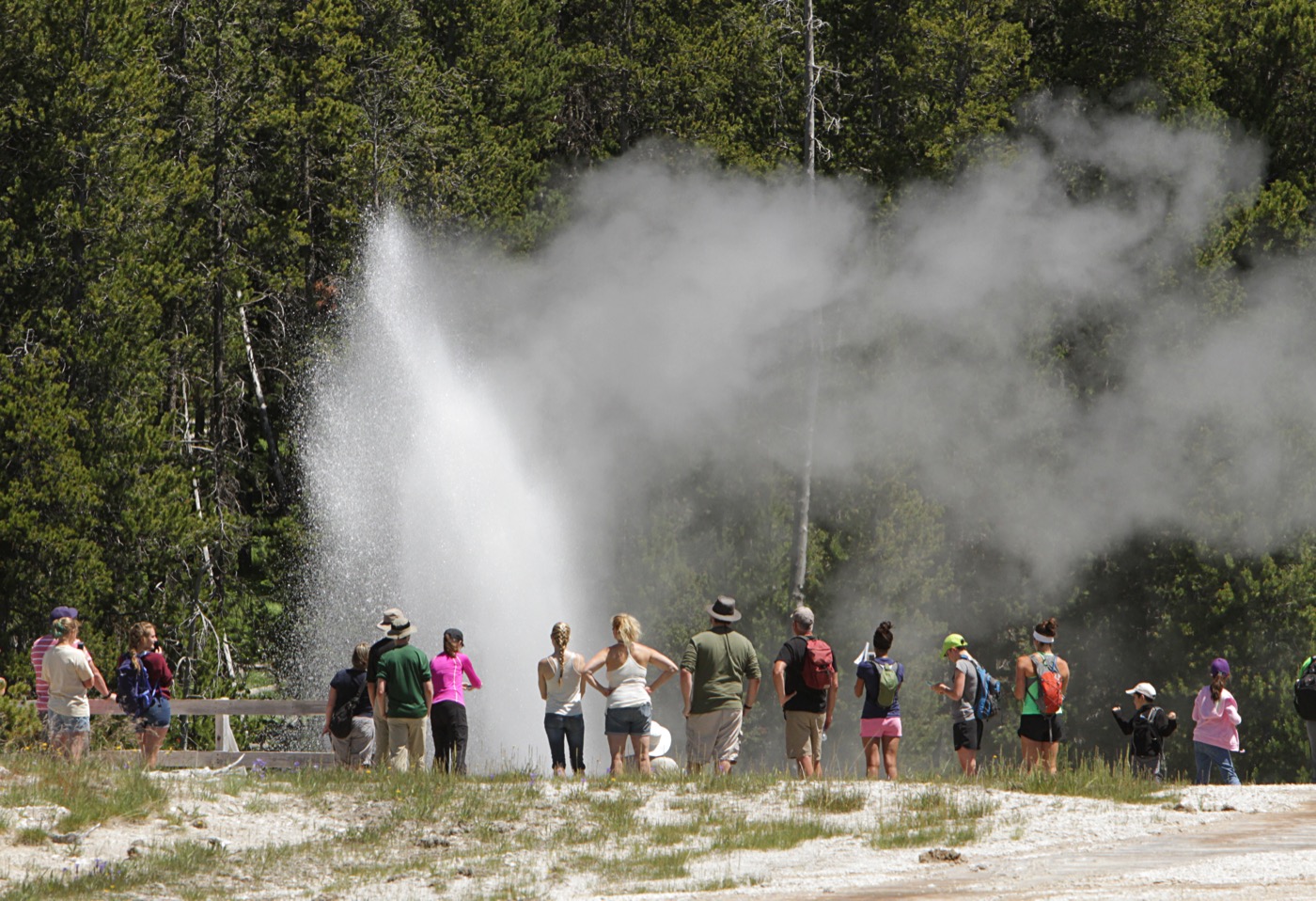
- Old Faithful. Start here before the crowds thicken. Eruptions run roughly every 90 minutes; the visitor center posts the next predicted time, so you can grab a snack and time it. Kids tend to love the countdown.
- Upper Geyser Basin boardwalks. The same area holds the densest collection of geysers on Earth, including Beehive Geyser. The flat boardwalk loops are easy for short legs, but keep everyone on the planks. The ground is genuinely dangerous.
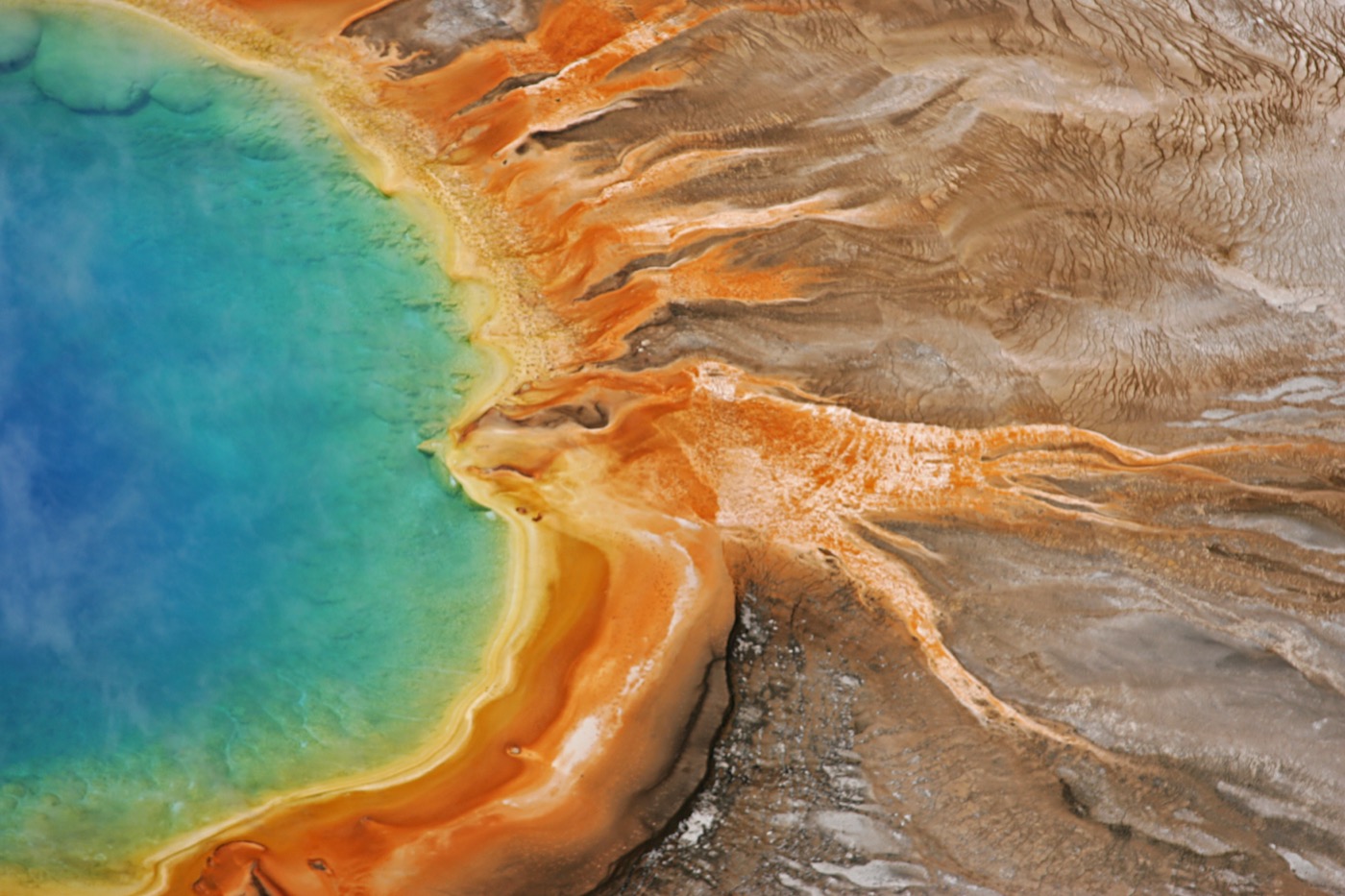
- Grand Prismatic Spring. The park's largest hot spring and its most photogenic. For the famous overhead view of the rings, the Grand Prismatic Overlook Trail is a short uphill climb that pays off. The boardwalk at ground level is closer but flatter.
- Fairy Falls Trail. If you've got energy and time, this nearby trail makes a longer add-on to a 200-foot waterfall.
One note: this whole zone gets packed midday in summer. The earlier you arrive, the easier the parking and the better the photos.
Day 2: Canyon, wildlife, and terraces
Day two swings to the park's grander landscapes. Get up early again. The morning is when animals move and the lots are still open.
- Grand Canyon of the Yellowstone. Drive to Artist Point for the classic view of the Lower Falls plunging into the canyon's yellow walls. It's a short walk from the lot, stroller-friendly, and one of the best overlooks in the park.
- Mount Washburn. If your crew hikes, the Dunraven Pass – Mount Washburn Trail or the Chittenden Road – Mount Washburn Trail climbs to big views and a fire lookout. It's a real hike, not a stroll. Save it for older kids and good weather.
- Hayden Valley. Drive slowly through here for bison, and possibly elk or bears at a distance. Stay in the car when animals are near the road. The nearby Mud Volcano Trail boardwalk is a quick, kid-pleasing stop full of bubbling, sulfur-smelling mud.
- Mammoth Hot Springs. If you're exiting north, end at the travertine terraces. The boardwalks here are an easy finish and look like nothing else in the park.
Making it work with kids
Two days means choosing. Don't try to hit every basin and every overlook. You'll spend the trip buckling and unbuckling car seats. Pick two or three anchors a day and let the bison jams be part of the adventure rather than a problem.
- Grab a Junior Ranger booklet at any visitor center. It turns the boardwalks into a scavenger hunt and earns a badge.
- Carry water and snacks everywhere; in-park food is limited and lines are long.
- Keep a safe distance from all wildlife: stay at least 25 yards from bison and elk, 100 yards from bears and wolves. Bison injure more people here than any other animal.
- Build in nap and downtime. The altitude and the driving wear small kids out faster than you'd expect.
Planning the trip? Nestward builds a day-by-day plan in minutes, free with no subscription. See how it works →