 Nestward
White Sands With Kids
A family guide to the world's largest gypsum dunefield, paced for little legs.
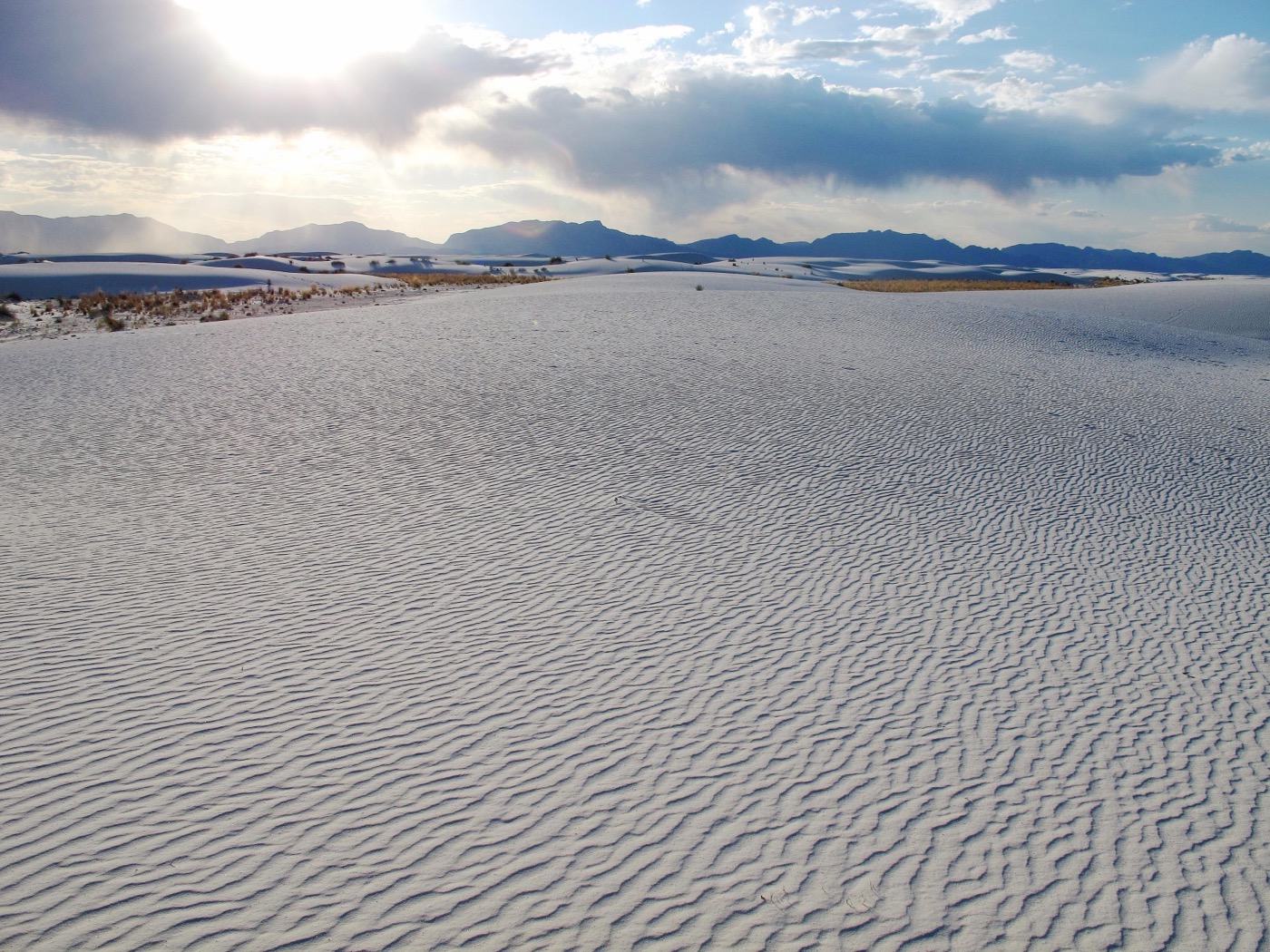
Here's the thing about White Sands: it looks like snow, it sleds like snow, and it is absolutely not snow. The white dunes of New Mexico's Tularosa Basin cover 275 square miles of gypsum, and for kids it is essentially the world's biggest sandbox. The catch is sun, heat, and zero shade, so the trip lives or dies on timing and a cooler full of water.
The dunes are the attraction, and that's good news for kids
You don't need a destination. Once you're past the dunefield edge, the play is just being there: climbing a dune, rolling down it, digging in sand that's cool to the touch even when the air is hot. Most families spend an hour fully off-trail and call it a great day.
That said, the park has real marked trails, and a couple are genuinely kid-sized:
- Hiking Interdune Boardwalk: the park's only accessible trail. Flat, short, stroller- and wheelchair-friendly, with interpretive signs. This is your warmup and your bailout if someone melts down.
- Hiking Dune Life Nature Trail: a one-mile loop through living dunes with animal tracks and yucca. Family-friendly, but it climbs sand up to about 30 feet and is not stroller-friendly. Good for kids who can walk a mile in soft sand.
- Hiking the Playa Trail: short and flat, ending at a seasonal playa (a dry lakebed). Low effort, good for toddlers.
Save the Hiking Alkali Flat Trail for older kids or skip it. It's a five-mile loop across open dunes with no shade and easy-to-lose markers. Beautiful, but not a casual family outing.
Sledding: the part everyone remembers
You can sled the dunes, and it's the highlight for most families. The park names two spots: Sledding at the Roadrunner Picnic Area and Sledding at the Alkali Flat Trailhead. Roadrunner is the easier, more contained option for younger kids.
- Bring a round plastic snow saucer, not a toboggan, not cardboard. The gift shop sells saucers and buys them back if you don't want to haul one home.
- Rub the bottom with the block of wax they sell. Gypsum isn't as slick as snow, and unwaxed saucers barely move.
- Find a steep dune with a clear, flat runout and no other people at the bottom. The climb back up is the real workout, so younger kids fade after a few runs.
Sun, heat, and the stuff that actually ruins the day
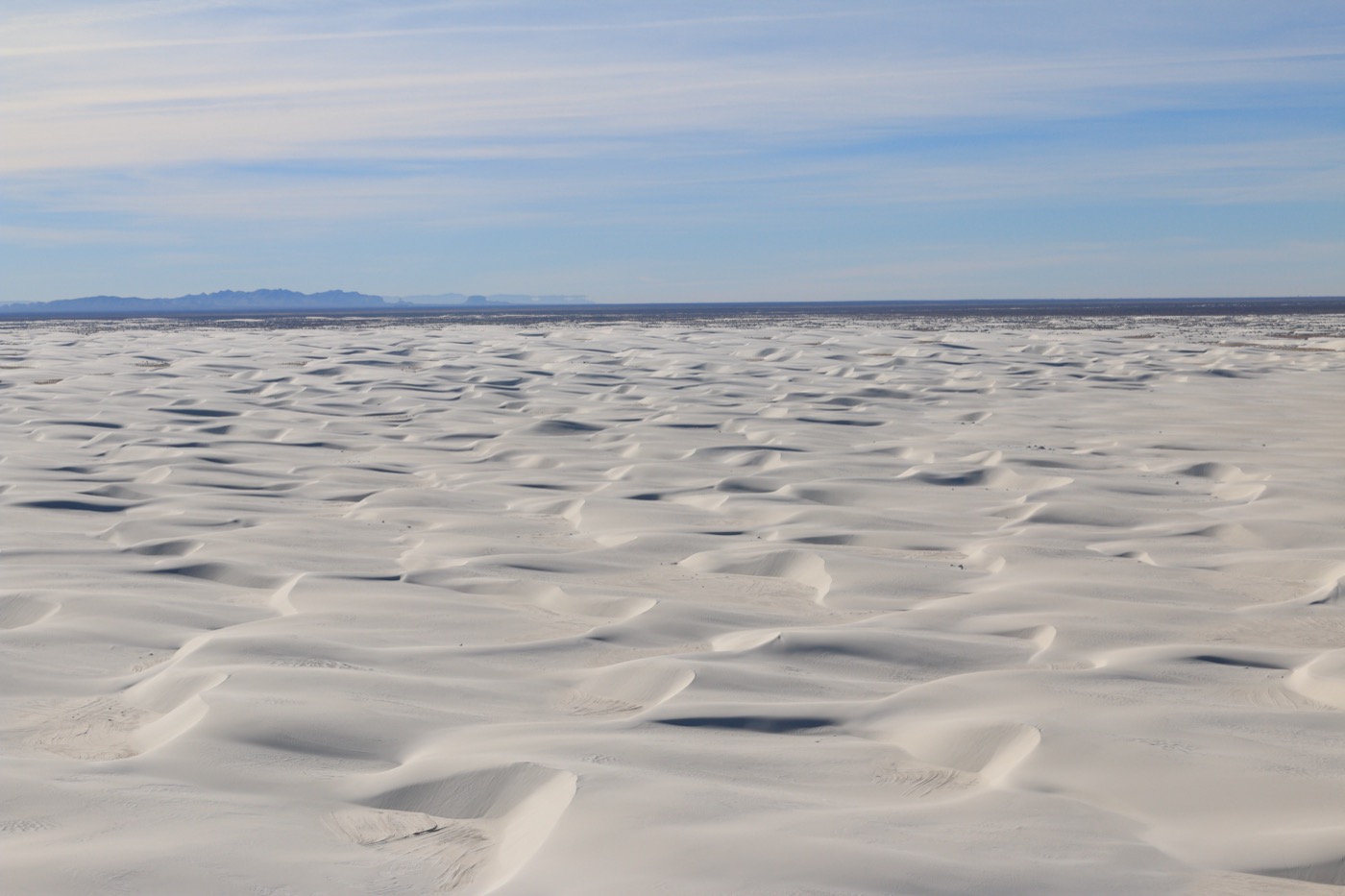
White dunes reflect sunlight straight back at you, so it feels brighter and hotter than the thermometer says. This is the single biggest thing to plan around with kids.
- Summer (May–Sept) is hot. Afternoon highs regularly top 100°F with no shade anywhere. Go at gate opening (7:00 AM) or for the last two hours before sunset, and skip midday entirely.
- Sunscreen, hats, and sunglasses for everyone, including the adults who think they're fine. The reflected glare gets you.
- Water: there's none on the dunes. Pack more than you think. A gallon per person on a hot day is not overkill.
- Closed shoes over sandals if you're visiting in summer; the sand stays cool but loose footing on dunes is easier in real shoes. In cooler months, barefoot is glorious.
- The park closes 30 minutes after sunset and gates open at 7:00 AM. It also occasionally closes for nearby missile-range testing, usually a couple hours, so check the park's status the morning of.
A realistic half-day plan
White Sands is a half-day park, and that's fine. Most families don't need more, and pushing for a full day with kids in that sun usually backfires.
- Stop at the visitor center first for the Junior Ranger booklet, a bathroom break, and a saucer if you're sledding.
- Drive the 8-mile Dunes Drive out toward the heart of the dunefield. Pavement turns to packed gypsum partway in. It's fine for normal cars, just go slow.
- Do the Interdune Boardwalk to ease in, then pick a tall dune near the Roadrunner Picnic Area for free play and sledding.
- Picnicking at White Sands works well. The shaded picnic shelters out on the dunes are the only shade you'll find, so claim one early.
- Time the drive back out for sunset if you can. The low light turns the dunes pink and gold, and it's the photo you'll keep.
Gateway logistics: the park sits on US-70 between Alamogordo (about 15 miles east, where most families base) and Las Cruces (about 52 miles west). Alamogordo has the chain hotels, groceries, and gas. There's no lodging inside the park, and only permit-based backcountry camping, so plan to sleep in town.
Planning the trip? Nestward builds a day-by-day plan in minutes, free, no subscription. See how it works →