 Nestward
Where to Stay Near Crater Lake
Gateway towns, in-park lodges, and campgrounds: the full picture.
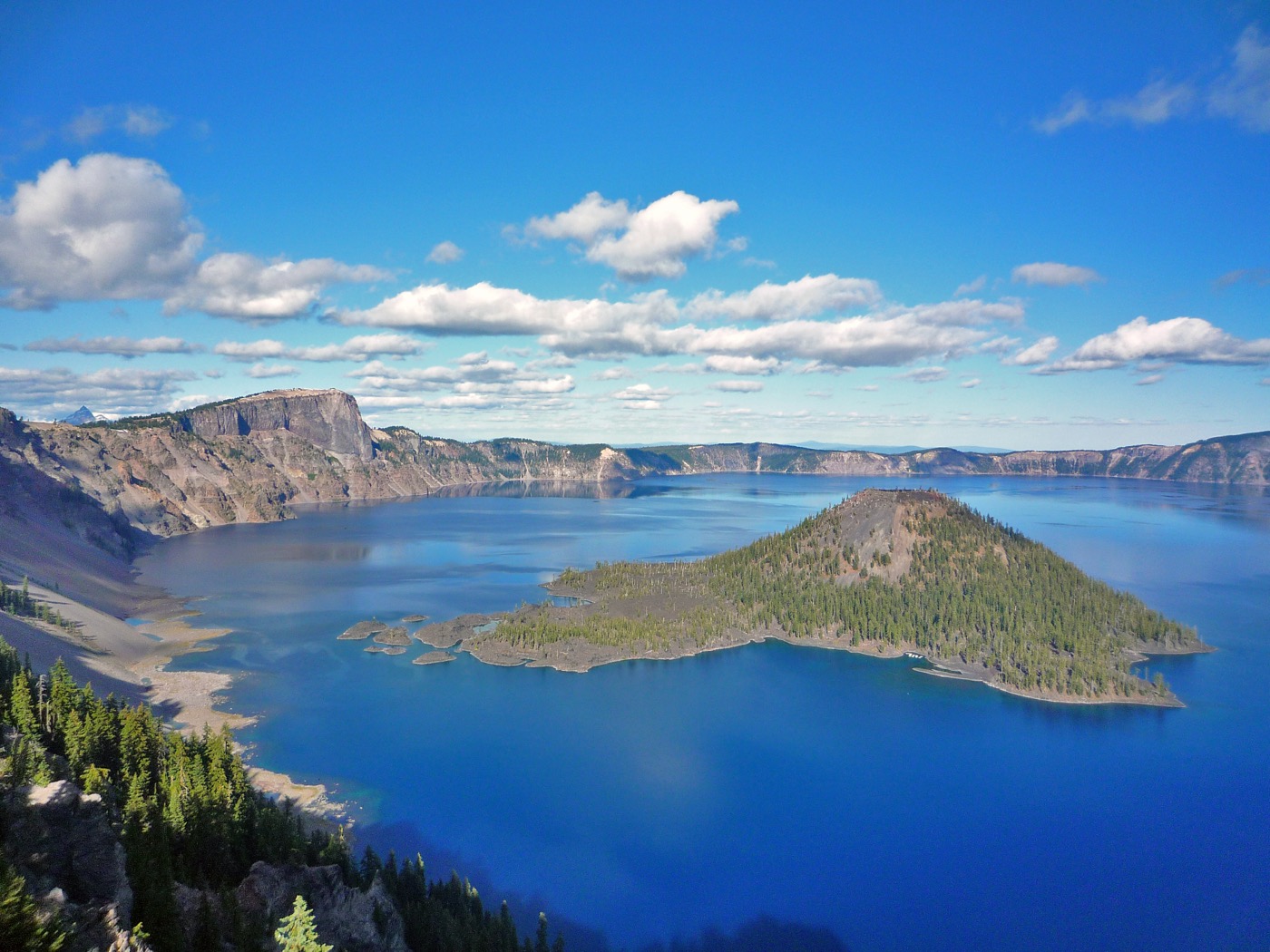
Crater Lake is the deepest lake in the country, sitting inside a caldera left by a volcanic collapse 7,700 years ago. The catch for trip planners is geography: the park is high, remote, and snowbound for much of the year, and the lodging right on the rim is scarce and books out fast. Here's where to actually sleep, with the trade-offs spelled out.
In-park: Crater Lake Lodge and The Cabins at Mazama Village
There are exactly two places to stay inside the park, both open roughly late May through mid-October and both run by the park concessionaire.
- Crater Lake Lodge sits right on the rim above the caldera. Waking up steps from the lake is the whole reason to stay here, and the historic lodge has the views to match. The downsides: it's pricey, rooms are dated and lack TVs and air conditioning (you won't miss the AC at this elevation), and it books months ahead, often the day reservations open. There are only 71 rooms.
- The Cabins at Mazama Village sit about 7 miles south of the rim near the south entrance, in the trees rather than on the lake. Cheaper, more family-friendly, and easier to book, but you'll drive up to the rim each morning. There's a small store, gas, and a camper services building here too.
If you can land a rim-view room at the Lodge for one or two nights, it's worth the splurge. For anything longer, Mazama or a gateway town will treat your wallet better.
Camping inside the park
Mazama Campground, near the south entrance by Mazama Village, is the park's main campground, with over 200 sites for tents and RVs, showers, and a store nearby. It opens for the season once snow clears (often June) and reservations are strongly recommended. Lost Creek Campground is a tiny, tent-only, first-come-first-served option off the east side, open later in summer and gone in a flash on busy weekends.
- Pros: you're inside the park, so you beat the morning entrance traffic and catch the lake before the crowds and the afternoon haze roll in.
- Cons: nights are cold even in July, the season is short, and snow can linger into June. Check that the campground has actually opened before you bank on it.
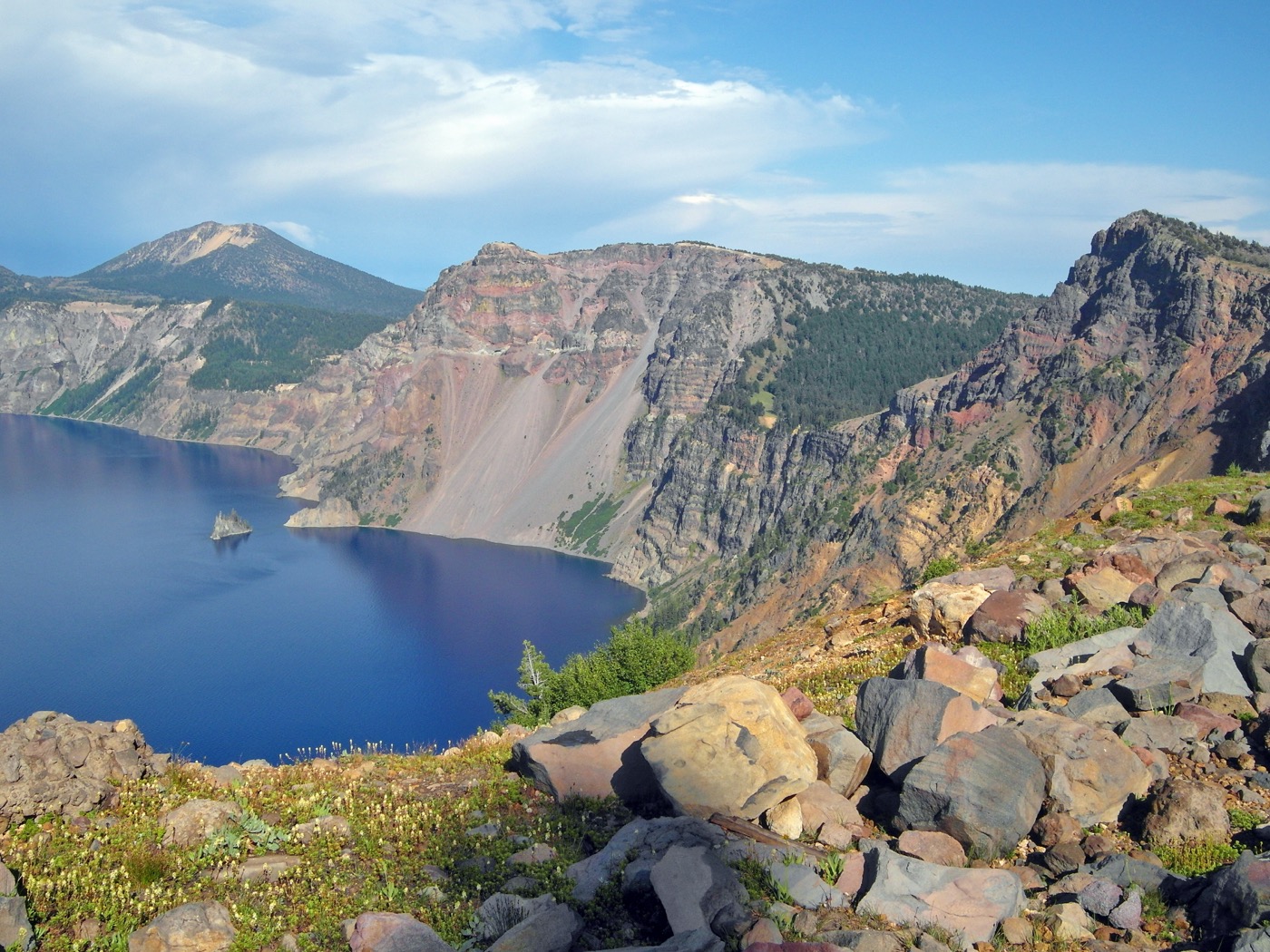
Gateway towns: where most families end up
If the in-park options are full (and they often are), base yourself in one of three gateway towns. None is on the doorstep; this is a park you drive to.
- Klamath Falls (about an hour south via Highway 97 to Highway 62) is the closest real town with chain hotels, groceries, and an airport. The most practical base for the south entrance, which stays open year-round.
- Medford / Ashland (roughly 80 miles west via Highway 62 to the west entrance) has the most lodging, the best restaurants, and a regional airport. Ashland adds the theater scene. The trade-off is a longer daily drive in.
- Roseburg (off Interstate 5 to the north) lines up with the north entrance on Highway 138, but that road and the north entrance are closed all winter and usually don't open until late June. Great in summer, useless in shoulder season.
Whichever you pick, expect a 60-to-90-minute drive each way and plan to be at the rim early.
Picking your base by season
The single biggest factor is snow. The park averages about 41 feet of it a year, and roads open on the park's schedule, not yours.
- Summer (July–September): everything is open: the full 33-mile Rim Drive, Mazama Campground, both lodges, the north entrance. Best window, biggest crowds, book early.
- Shoulder (late May, June, October): sunny days alternate with rain and snow, and parts of Rim Drive or the north entrance may still be closed. Use the south or west entrance and a Klamath Falls or Medford base.
- Winter: the in-park lodging closes, the lake is hidden by clouds roughly half the time, and the draw is snowshoeing and cross-country skiing from Rim Village. Stay in Klamath Falls and drive up via the year-round south entrance.
One more practical note: the summer entrance fee is $30 per vehicle, good for seven days, so a single base you return to each day pays off.
Planning the trip? Nestward builds a day-by-day plan in minutes, free, no subscription. See how it works →