 Nestward
What to See at Point Reyes
The highlights worth your time on this wild stretch of the California coast.
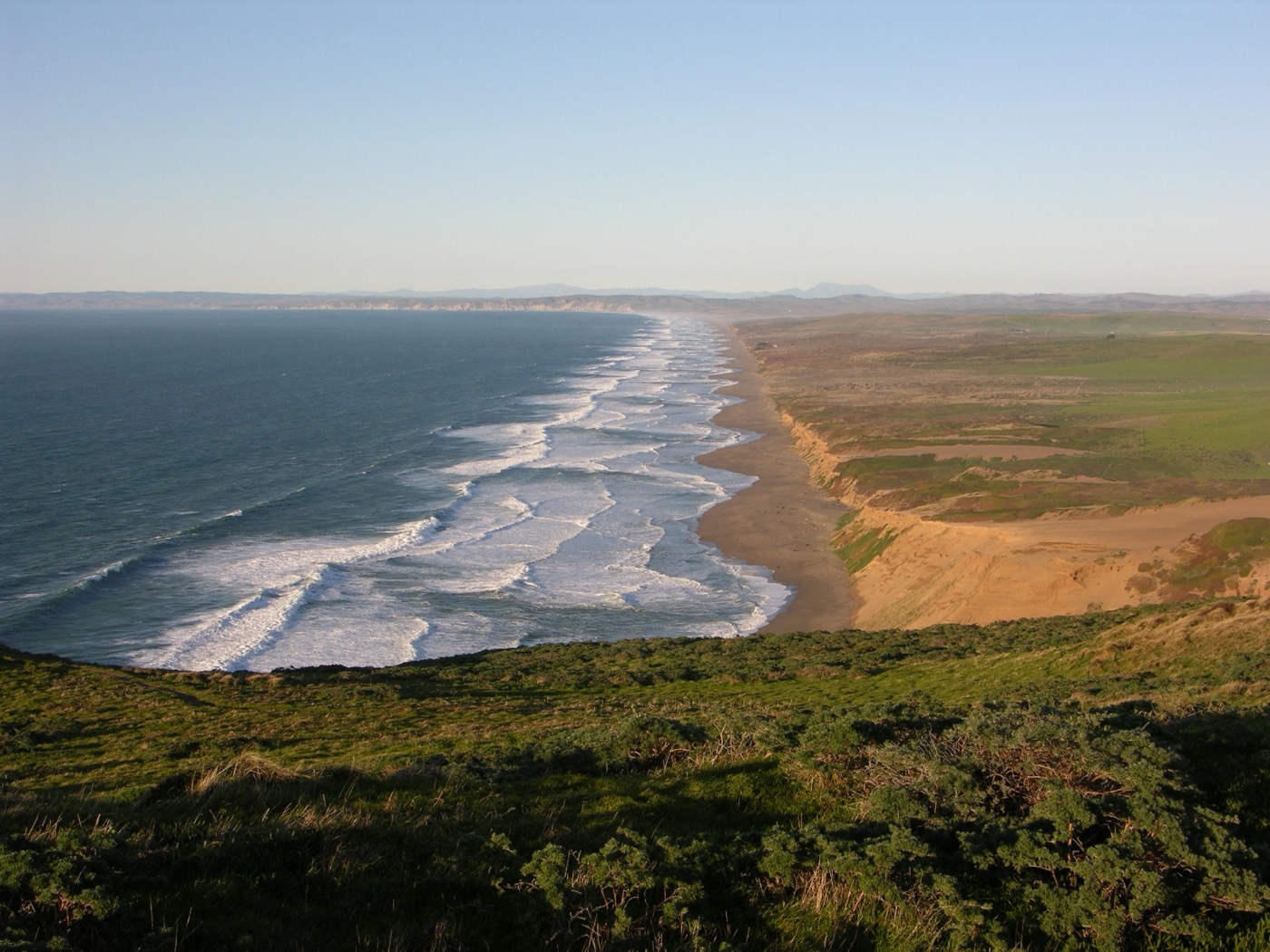
Point Reyes packs thunderous ocean breakers, open grasslands, forested ridges, and over 1,500 species of plants and animals onto one foggy peninsula about 30 miles north of San Francisco. It's big and spread out, so you can't see it all in a day. Here's what to prioritize.
The Point Reyes Lighthouse
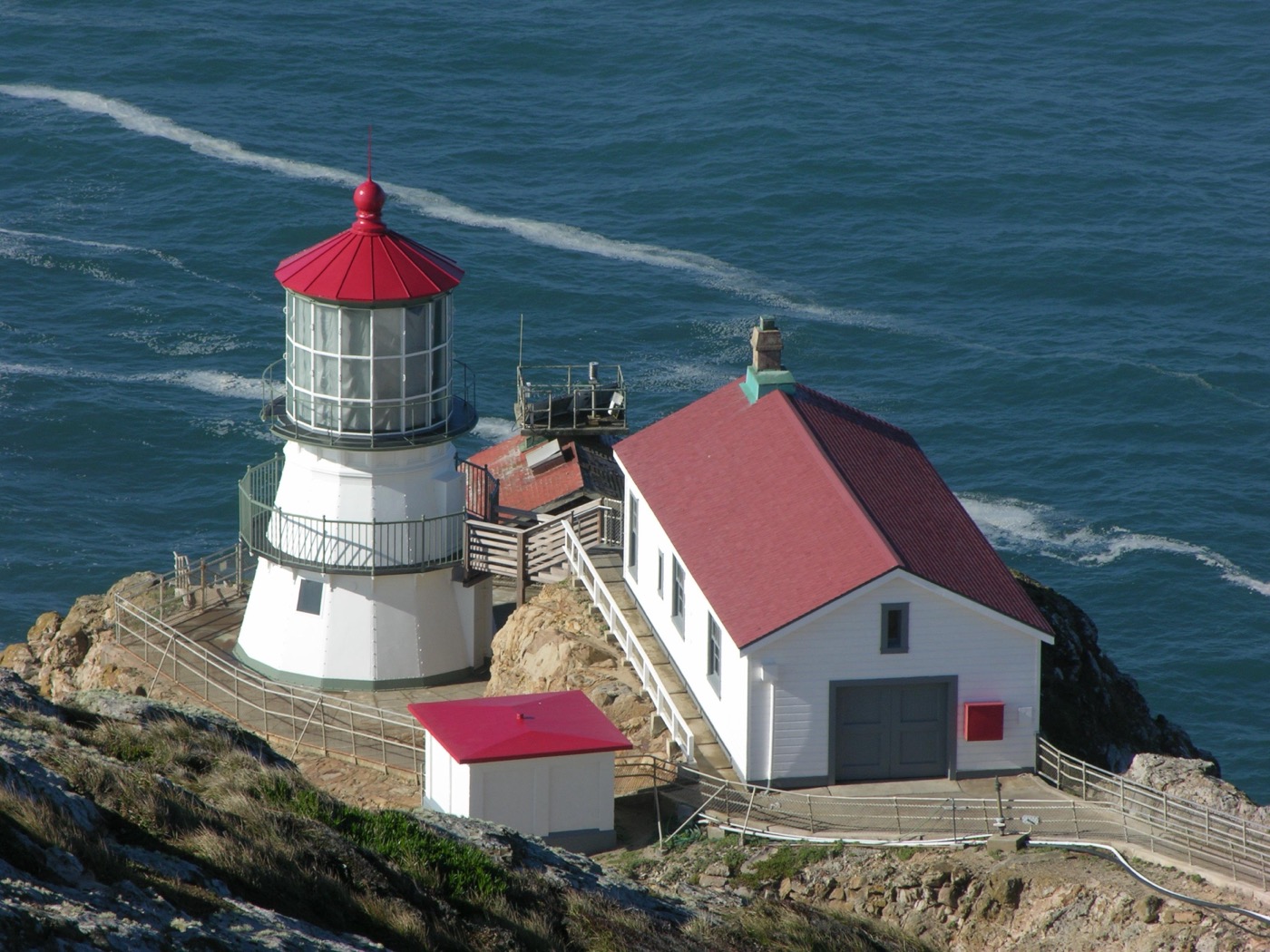
The signature stop. The lighthouse sits at the windiest, foggiest tip of the peninsula, perched below the cliff edge. To reach it you walk down a staircase of more than 300 steps and back up. The view is worth it on a clear day, and even on a gray one the surf and the wind make their case. From December through April this is also one of the best land-based whale-watching spots on the California coast: gray whales pass close enough that you can spot their blow spouts from the headland.
A heads-up on logistics: the lighthouse road and the nearby Chimney Rock area get crowded on winter and spring weekends, and the park sometimes runs a shuttle (with the road closed to private cars) during peak whale season. Check current conditions before you commit to driving all the way out.
Tomales Point and the Tule elk
At the north end of the peninsula, the Tomales Point trail starts behind the historic, white-painted buildings of Pierce Point Ranch and runs out along a narrow ridge with the ocean on one side and Tomales Bay on the other. This is where you'll see the park's Tule elk herd, often within easy view of the trail, especially in the morning. The full out-and-back is long and exposed, but you don't have to walk the whole thing to see elk and big coastal views. Bring a windbreaker; this stretch is rarely calm.
Bear Valley and the forested trails
If the outer point is socked in with fog, head inland. The Bear Valley Visitor Center (1 Bear Valley Road, Point Reyes Station) is the park's hub and the trailhead for some of its most popular walks:
- Bear Valley Trail: a wide, gentle, tree-shaded path that's the park's signature easy hike. You can walk as far as the Glen Trail junction and turn back, or push on toward the coast. It's also open to bikes and horses, so stay alert.
- Rift Zone Trail: a walk that follows the San Andreas Fault through meadows and woodland. Good for hikers and horseback riders alike, and a quiet alternative when the coast is mobbed.
- Woodward Valley Loop: a longer, more strenuous loop that climbs through forest and drops you to dramatic ocean overlooks. For when you want to earn the view.
The beaches and Drakes Beach
Point Reyes Beach (the "Great Beach") is a long, straight, undeveloped expanse of sand on the windward side, beautiful to walk, but the surf is powerful and unsafe for swimming. For a calmer, family-friendly afternoon, Drakes Beach sits in a sheltered cove backed by pale cliffs, with a visitor center and easier parking. It's the spot for sandcastle building and a picnic. On the wilder end, ambitious hikers walk to Alamere Falls, a rare "tidefall" that spills onto the beach. It's gorgeous, but a long trek with a tricky scramble at the end, so size it up carefully before bringing kids.
Know before you go
- Weather is the whole game. The Pacific keeps temperatures mild but fog is common, especially in summer. Layers and a windbreaker matter more here than sunscreen.
- It's spread out. Driving from Bear Valley to the lighthouse takes the better part of an hour on winding roads. Pick a region per day rather than trying to crisscross.
- The park is open daily, 6 a.m. to midnight. There's no entrance fee. Overnight parking requires a backcountry permit or a Point Reyes Hostel reservation.
- Kids: ask at Bear Valley about the Junior Ranger program, and let little legs set the pace on the long ridge trails.
Planning the trip? Nestward builds a day-by-day plan in minutes, free, no subscription. See how it works →