 Nestward
What to See at Organ Pipe Cactus National Monument
The one place in the U.S. where organ pipe cacti grow wild, and how to actually see them.
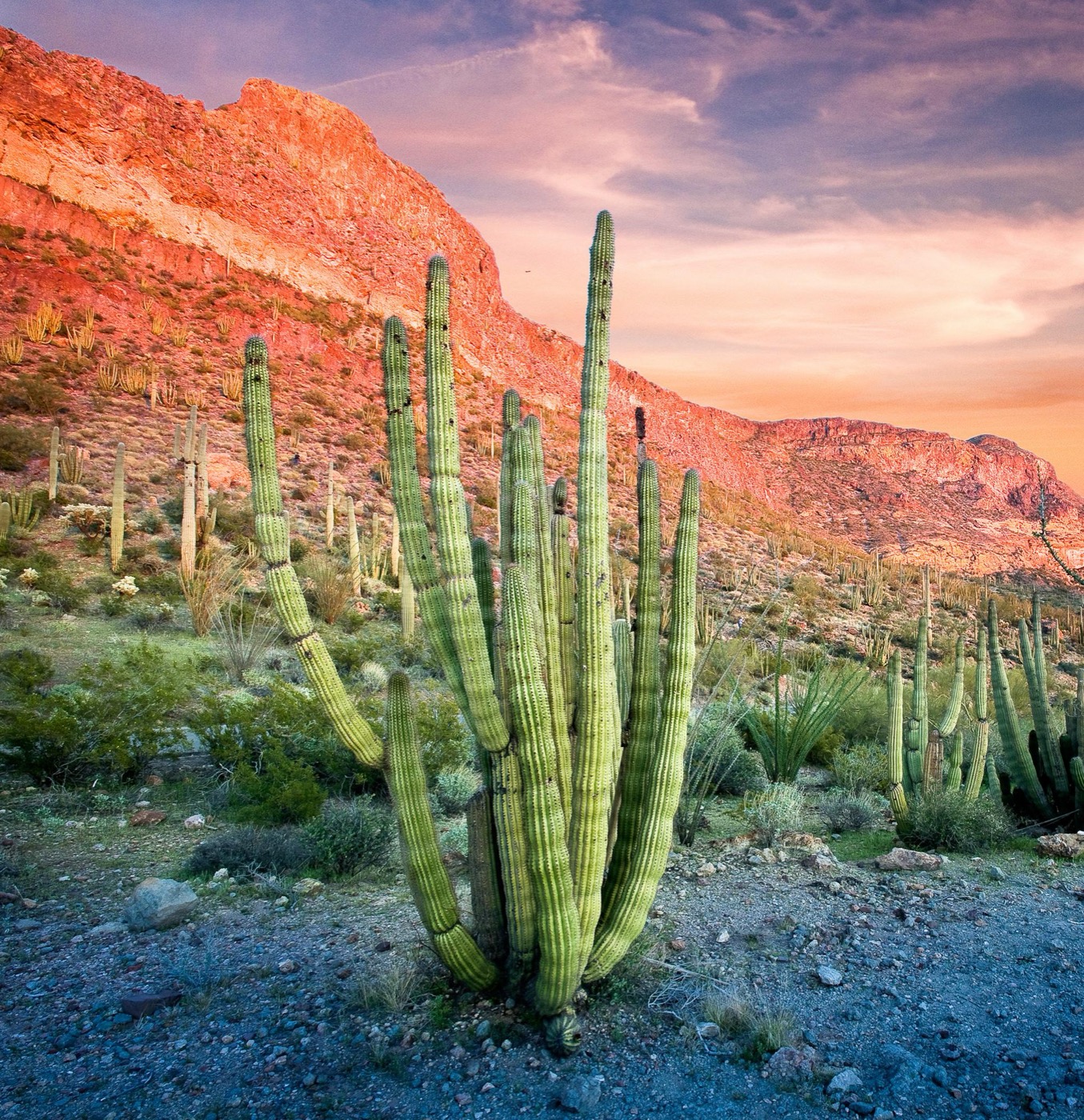
This corner of southern Arizona, right on the Mexico border, is the only place in the country where you'll find large stands of the many-armed organ pipe cactus. It's a quiet, remote International Biosphere Reserve (not a crowded marquee park), so come for big silent desert, scenic drives, and some of the darkest night skies in the lower 48. Plan for heat, distance, and few services.
The two scenic drives
Most first-time visitors start behind the wheel, and that's the right call. The headliner is Ajo Mountain Drive, a 21-mile mostly-gravel loop that climbs into the densest organ pipe stands in the monument. It's bumpy but fine for a regular car driven slowly; allow two to three hours with stops. The other option is Puerto Blanco Drive, longer and wilder, which threads toward the border and the visitor center pond. Both are one-way in stretches, both are unpaved, and neither is a place to be in a hurry.
- Grab the printed road guide at the Kris Eggle Visitor Center. The numbered stops along Ajo Mountain Drive are keyed to it.
- Top off your gas in Why or Ajo first. There's no fuel inside the monument.
- Carry more water than you think you need. Cell service is essentially nonexistent on the loops.
The hikes worth your legs
The trails here range from ten-minute strolls to genuine desert mountain climbs. A few standouts pulled from the park's own list:
- Alamo Canyon: a short, gentle canyon walk past saguaros to an old ranch site. Good morning option and an easy yes for families.
- Estes Canyon / Bull Pasture Loop: the marquee hike, a steady climb to a high mountain "pasture" with sweeping views. Roughly 4 miles, real elevation, and not one to attempt in the heat.
- Senita Basin Loop: out in the Puerto Blanco area, where you can spot the rarer senita cactus alongside the organ pipes.
- Desert View Trail: a short loop off the campground that's the classic spot to watch the sunset.
- Victoria Mine and Dripping Springs Mine: flatter desert hikes to old mining ruins, for the history-curious.
- Arch Canyon: a rockier route toward natural arches in the Ajo Range.
For the youngest hikers, the Campground Perimeter Trail and the pet-friendly Palo Verde Trail near the campground keep things short and shaded-ish without committing to a real climb.
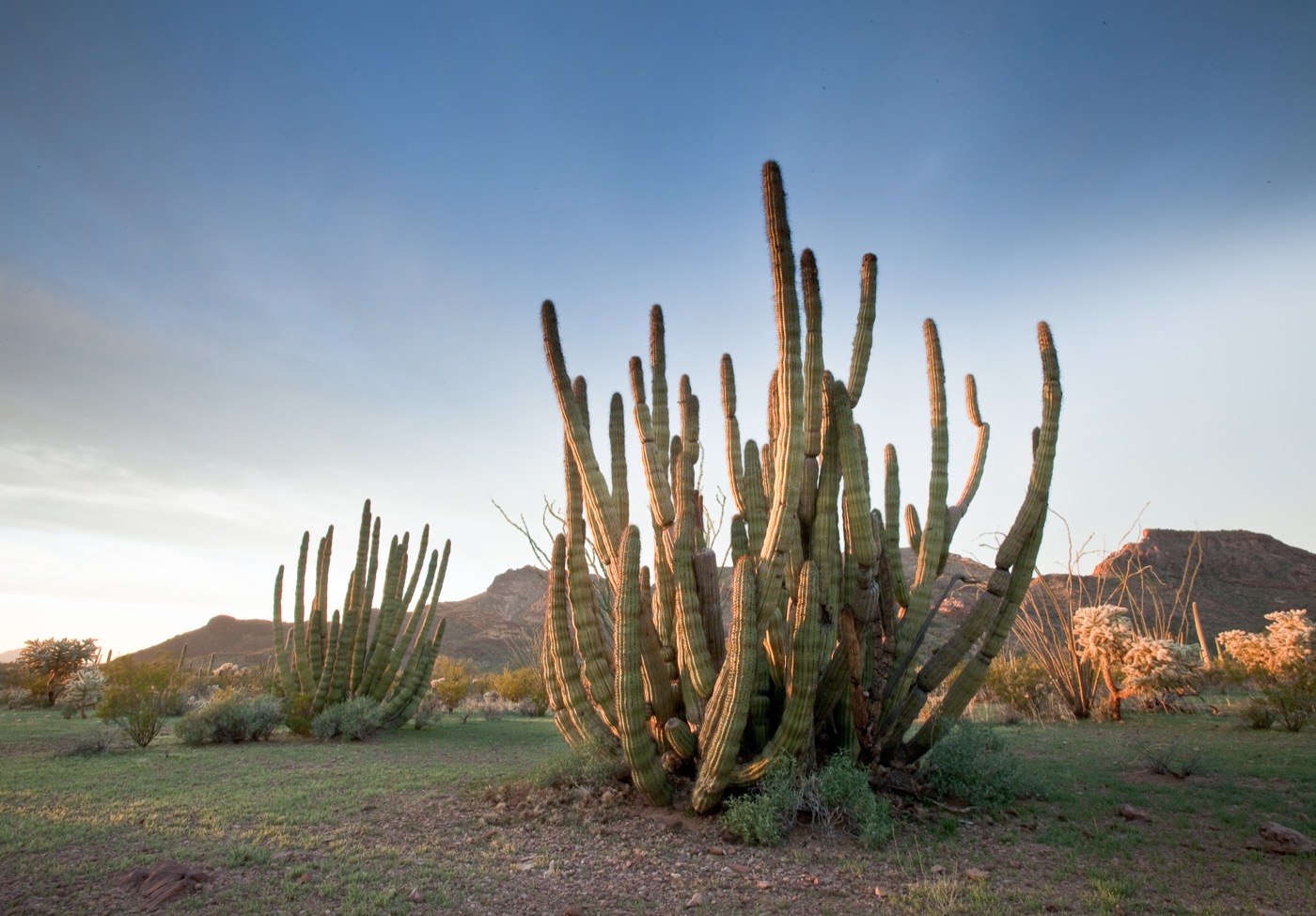
Wildlife, water, and the night sky
The Sonoran Desert is the most biodiverse desert in North America, and Organ Pipe shows it off. The Visitor Center Nature Trail circles a small pond that's home to endangered desert pupfish, an odd, delightful sight in such dry country and a quick win with kids. Keep an eye out for the endangered Sonoran pronghorn and a long roster of desert birds, especially around dawn.
After dark is the real surprise. With almost no light pollution for miles, this is a designated dark-sky destination. Bring a blanket, let your eyes adjust for twenty minutes, and the Milky Way does the rest. Junior Ranger booklets are available at the visitor center if you've got kids to keep busy.
Knowing before you go
- Entrance fee: $25 per private vehicle, good for 7 days. An annual park pass is $45.
- Getting there: the Kris Eggle Visitor Center sits on Highway 85, about 25 miles south of Why, AZ and 5 miles north of Lukeville. The nearest real town with services is Ajo.
- Open year-round, 24 hours. There's no entrance gate. You pay at the visitor center.
- When to come: December through April is the season, with mild days and wildflowers. Summer regularly tops 100°F and is genuinely dangerous for hiking. Adjust your plans, not your stubbornness.
- Camping: the developed Twin Peaks Campground can fill during peak winter weeks; check Recreation.gov. No dispersed camping anywhere in the monument.
This is a place that rewards slowing down. Two days lets you do both drives, a sunrise hike, and a night under the stars without rushing. That's exactly the point.
Planning the trip? Nestward builds a day-by-day plan in minutes, free, no subscription. See how it works →