 Nestward
What to See at Lake Mead
Big blue water, desert canyons, and a surprisingly easy day trip from Las Vegas.
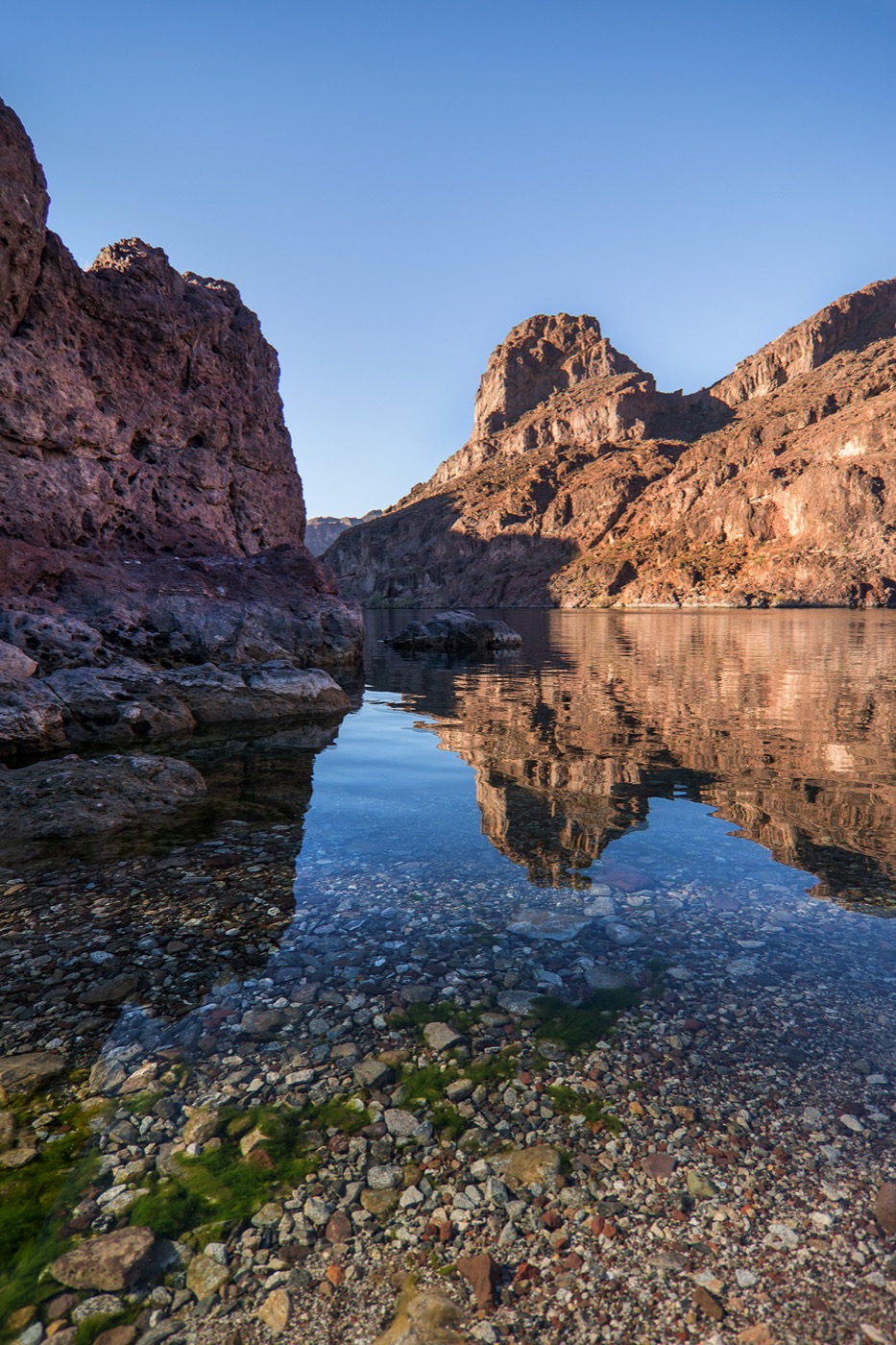
Lake Mead spreads across 1.5 million acres of mountains, canyons, valleys, and two big reservoirs straddling Nevada and Arizona. It is huge, it is mostly water and desert, and it is open 24 hours a day. The trick here is picking a couple of corners and doing them well rather than trying to "see the lake." Here is what is actually worth your time.
The blue water, and where to actually touch it
The headline is the water: two vast reservoirs, Lake Mead and Lake Mohave, with brilliant blue against red rock. Boating, jet skiing, kayaking, paddleboarding, and swimming are the main events. If you have a boat or want to rent one, launch from a developed area like Boulder Beach, Callville Bay, Temple Bar, or Katherine Landing.
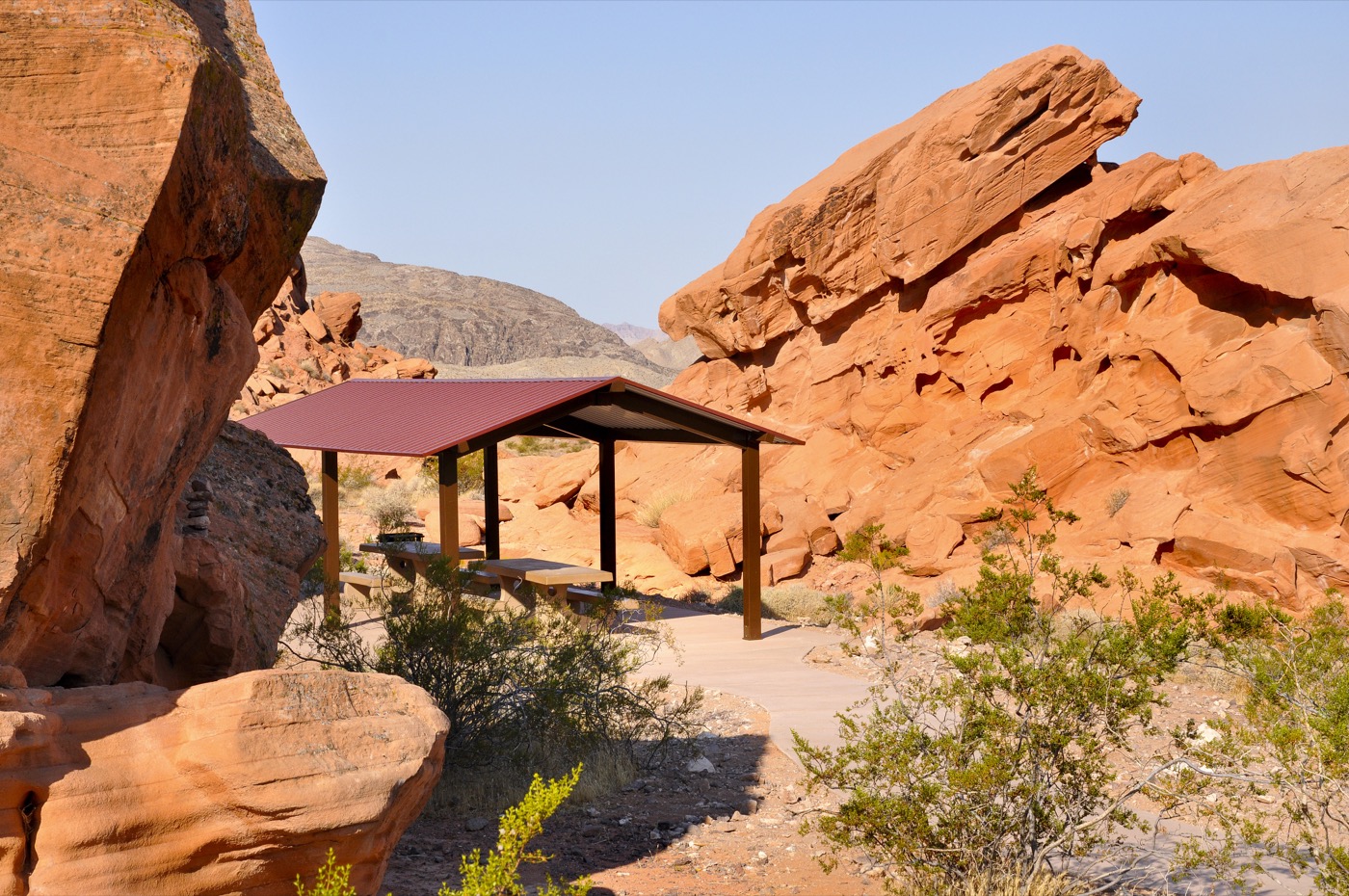
No boat? You can still get in the water. There are swim and picnic beaches near Boulder Beach, and Redstone has a string of picnic areas tucked among red sandstone outcrops that are great for a stop and a short kid-friendly wander. A few notes: water levels here have dropped a lot over the years, so launch ramps and shorelines shift. Check the park's current conditions before you tow a boat anywhere.
The trails worth the walk
There is more hiking here than people expect. A few standouts pulled from the park's own list:
- Historic Railroad Trail: the easy crowd-pleaser. A flat, wide former rail bed leading through five large tunnels with big lake views, walkable with strollers and kids. This is the one to do if you only do one.
- River Mountains Loop Trail: a paved multi-use loop good for biking or road biking, connecting toward Boulder City.
- Liberty Bell Arch Trail: a desert hike to a natural arch and Colorado River overlooks; more effort, more payoff.
- White Rock Canyon Trail and Arizona Hot Springs Trail: canyon routes down toward the river and natural hot springs. Rewarding, but serious in summer.
- Lone Palm Trail and Goldstrike Canyon Trail: strenuous canyon hikes to hot springs and the river.
- Lake View Trail, Callville Summit Trail, St. Thomas Trail, and the Bluffs Trail: shorter options for views without a huge commitment.
The fair warning: this is the Mojave. Several trails (including the hot springs canyon routes) close seasonally from roughly mid-May through September, and may close during spring or fall heat waves when temperatures hit the mid-90s or higher. Do not hike a desert canyon in July just because it is on a list.
Scenic drives and the slow way through
If hiking in the heat is off the table, drive. Northshore Road is the signature scenic route. It winds through striking desert and rock landscapes along the north side of the lake, with pullouts and the brightly colored Redstone area along the way. It is the kind of drive where the car is air-conditioned and the views still deliver. Self-guided auto tours and guided boat tours are both options if you would rather someone else do the navigating.
Wildlife, night skies, and the desert itself
Keep an eye out for bighorn sheep. They show up at most areas of the park, often picking their way along ridgelines above the water. The park is also a designated wilderness in places with genuinely dark night skies, so an evening here can be as memorable as the daytime. Bring binoculars, and if you have kids, the Junior Ranger program (completed in person at the visitor center or headquarters) is an easy hook.
Practical notes before you go
- Entrance fee: $25 per private vehicle, good for 1–7 days. The park-specific annual pass is $45.
- Hours: the park is open 24/7; the Lake Mead Visitor Center in Boulder City, NV keeps set hours, so plan around it if you need maps or advice.
- Getting in: six main entrances, including Lake Mead Boulevard, Northshore, Boulder, and Temple Bar, plus southern stations near Lake Mohave at Willow Beach, Katherine Landing, and Cottonwood Cove.
- Heat is the real hazard: summer highs run 89–103°F and can hit 117°F. Carry far more water than feels reasonable, and treat midday summer hiking as a no.
Planning the trip? Nestward builds a day-by-day plan in minutes, free, no subscription. See how it works →