 Nestward
What to See at Chiricahua National Monument
A wonderland of rock in Arizona's far southeast corner.
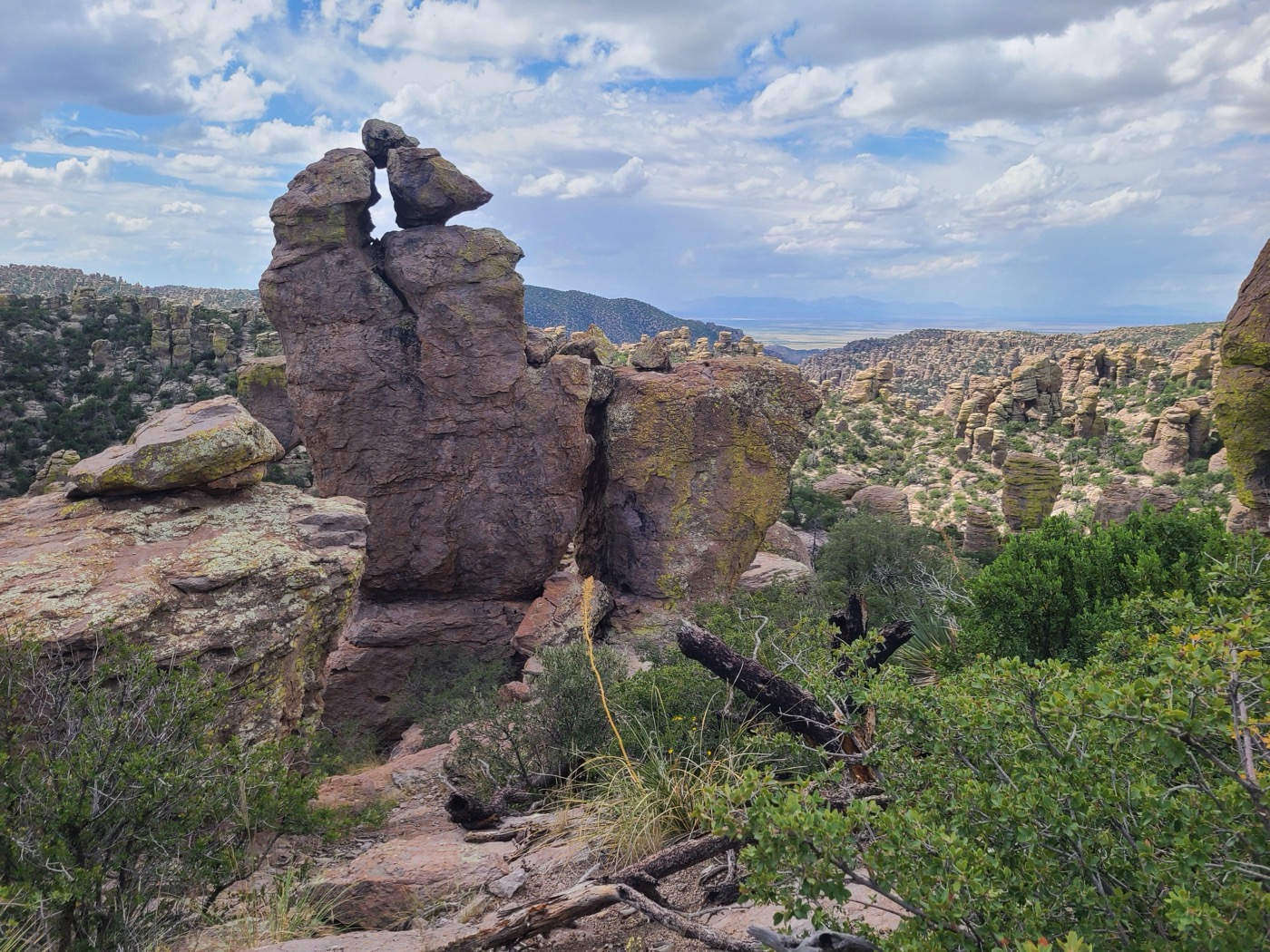
Chiricahua is a forest of rhyolite spires and balanced rocks tucked into a mountain range that rises between two deserts. It's remote (the nearest interstate runs about 40 miles north), and that's exactly why it stays quiet, dark at night, and worth the drive. Plan a half to full day, more if you want to hike into the rocks instead of just looking at them.
Bonita Canyon Drive (the easy win)
The 8-mile paved Bonita Canyon Drive is the spine of the whole park, and you can see a lot from your car. It climbs from the entrance at about 5,100 feet up to Massai Point at roughly 6,900 feet, winding past rhyolite cliffs and stands of oak. There are no entrance fees here, which is a pleasant surprise. Build in time for pullouts. The top is often 5 to 10 degrees cooler and windier than the bottom, so bring a layer even in summer.
Massai Point & Big Balanced Rock
Massai Point sits at the end of the scenic drive and gives you the postcard view of the standing rocks with no real effort. Stretch your legs on the half-mile Massai Point Nature Trail loop. The first 0.1 mile is paved but steep, and the rest involves stairs and uneven ground, so it's not wheelchair-friendly past the start. From here you're also near Big Balanced Rock, one of the park's signature precariously-perched boulders. If you only do one stop, make it this one.
Hike into the rocks: Echo Canyon
To actually walk among the pinnacles, the Echo Canyon Loop Trail is the classic. It threads through the Echo Canyon Grottoes (natural nooks and rock archways that kids tend to love climbing through) and gives you the immersive "wonderland of rocks" experience that the roadside views only hint at. A few more trails worth knowing:
- Sugarloaf Mountain Trail: climbs to the park's high point near 7,300 feet for a wide summit view.
- Lower Rhyolite Canyon Trail: a quieter walk into the canyon from near the visitor center.
- Silver Spur Meadow Trail and the Bonita Creek Loop: gentler, lower-elevation options good for younger kids or a slower pace.
One note: trails here gain real elevation and the high sections have sun exposure with little shade. Carry more water than you think you need.
Faraway Ranch & the human history
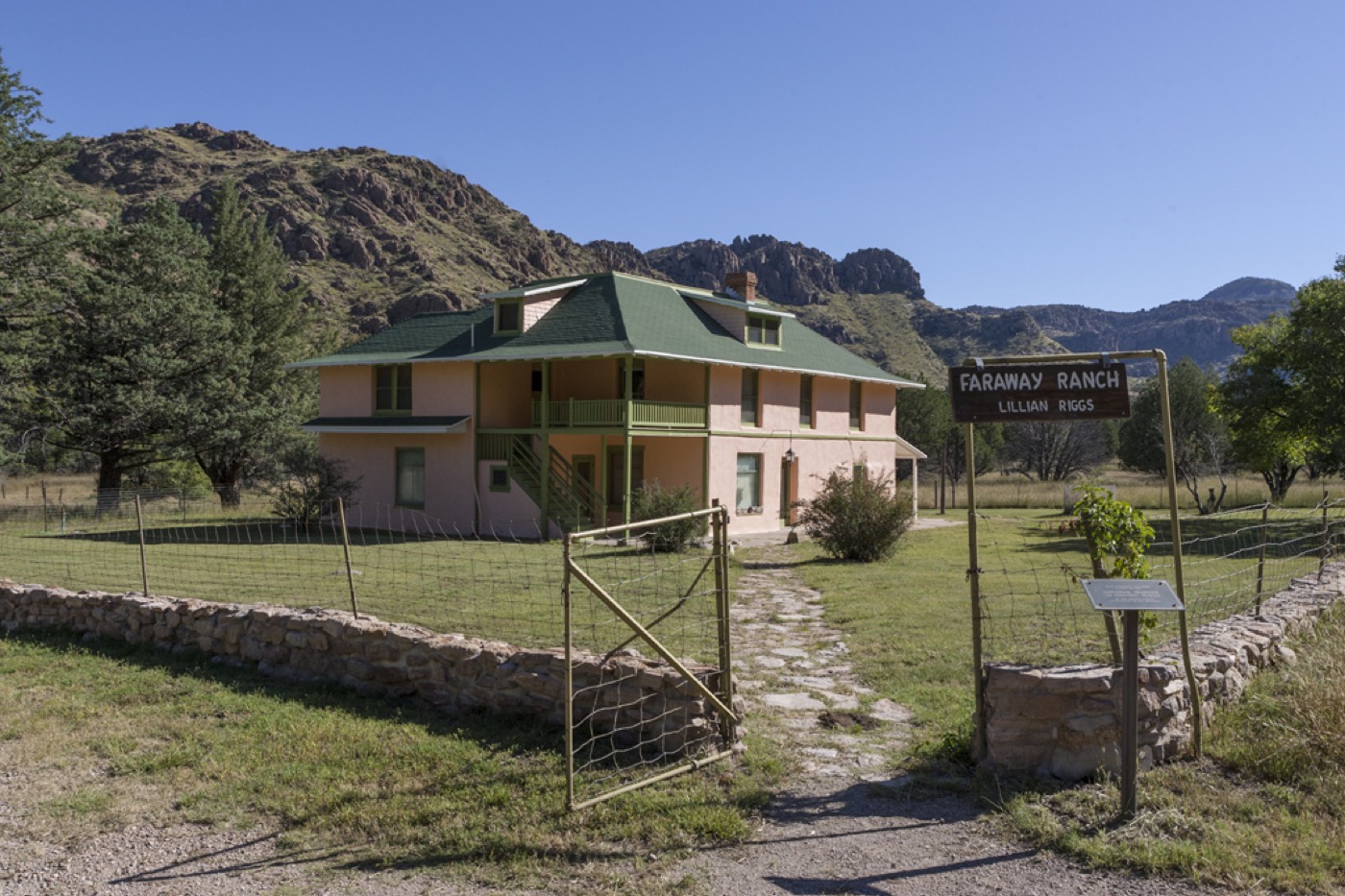
Chiricahua isn't only geology. Faraway Ranch preserves the homestead of early European settlers, and the broader story here runs deep: prehistoric peoples, the Chiricahua Apache, Buffalo Soldiers, and the Civilian Conservation Corps who built much of the trail system. It's a good shaded picnic stop and a change of pace from the rock-scrambling. Pick up a Junior Ranger booklet at the visitor center if you've got kids.
Stay after dark
This is one of the best parts and the easiest to miss. The park has dark, star-filled skies and the road, campground, and facilities stay open overnight. Gates don't close. The trails remain open for sunrise, sunset, and night-sky viewing (use caution and watch for wildlife). There's a small campground if you want to wake up inside the monument; the nearest services are in Willcox, about 35 miles back toward I-10. Stargazing here is genuinely worth structuring an evening around.
Planning the trip? Nestward builds a day-by-day plan in minutes, free, no subscription. See how it works →