 Nestward
What to See at Cedar Breaks National Monument
The half-mile-deep amphitheater, the rim trail, and the high-country extras worth your time.
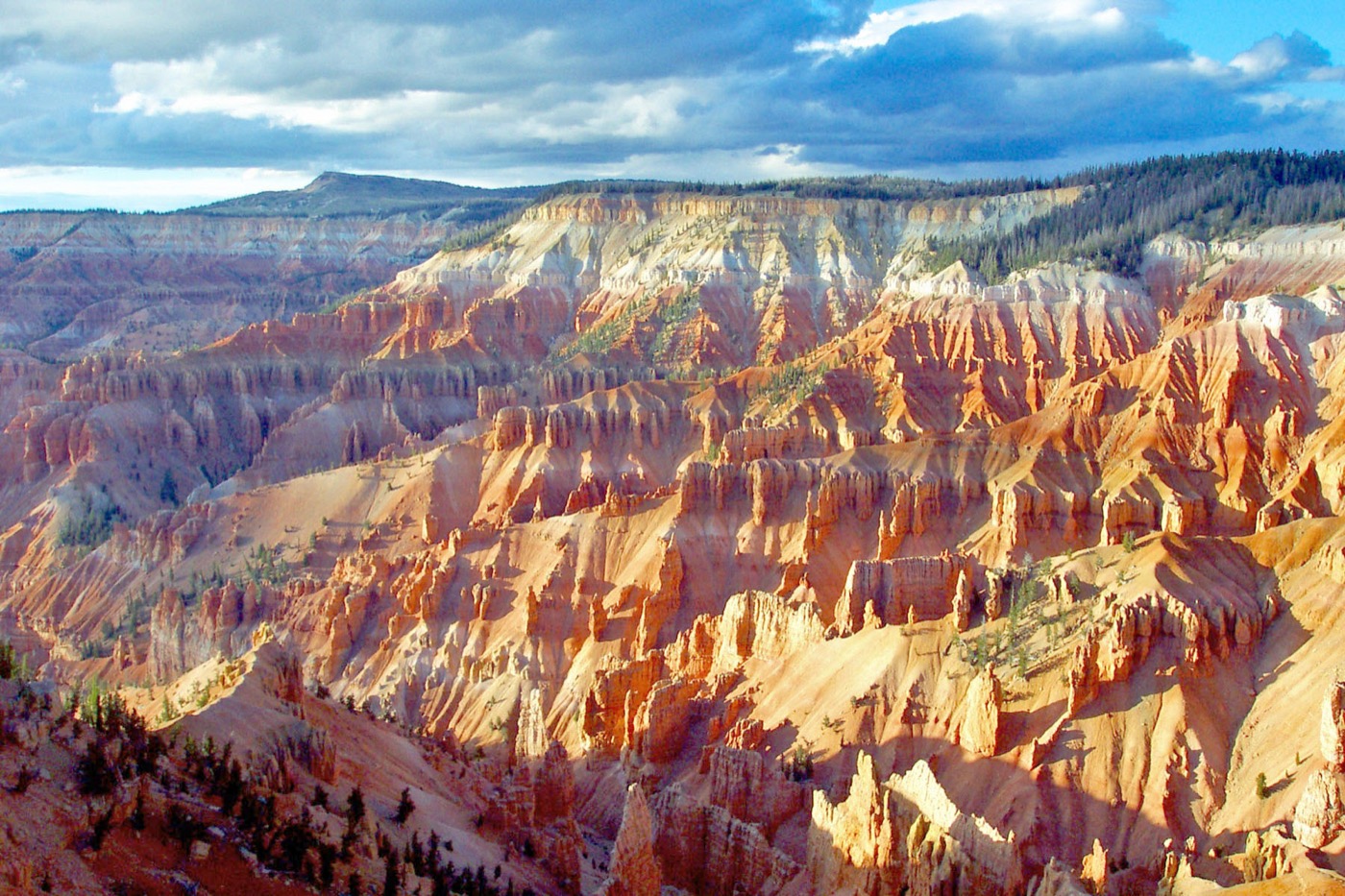
Cedar Breaks crowns the Grand Staircase at over 10,000 feet and looks down into a half-mile-deep geologic amphitheater of pink and orange rock. It's small, it's high, and most people see the best of it in a single half-day. Here's what's actually worth your time, and how to plan around the altitude.
The amphitheater overlooks
The amphitheater is the whole reason to come. Picture Bryce Canyon's hoodoos, but viewed from above and from a rim that sits a couple thousand feet higher. Four roadside overlooks line the park's only road, State Route 148, and you can drive between them in minutes.
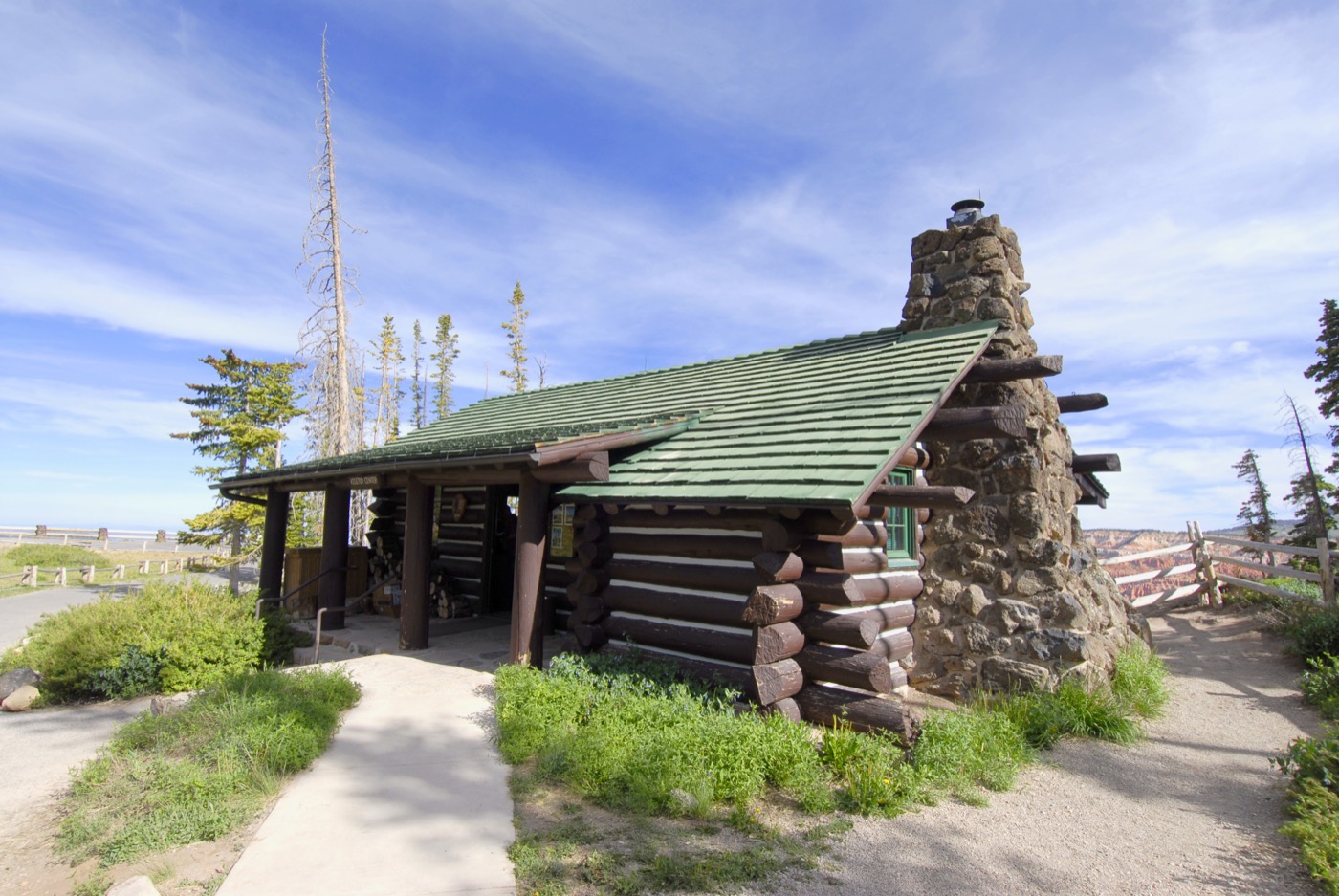
- Point Supreme sits right by the visitor center and information center, and it's the easiest big view. If you only stop once, stop here.
- Spectra Point, Sunset View, and Chessmen Ridge each give you a slightly different angle into the bowl. Light changes the rock color dramatically through the day, so a view you skipped in the morning can look completely different at sunset.
The overlooks are paved and short. This is the part of the park that works even if someone in your group can't or doesn't want to hike.
The South Rim Trail
If you have legs for one hike, make it the South Rim Trail. It starts at the Point Supreme parking lot and follows the winding edge of the amphitheater, with viewpoints the road never reaches. You pick your own turnaround:
- To Spectra Point and back: about 2 miles round trip.
- To the Ramparts Overlook and back: about 4 miles round trip.
- To the end at the Bartizan: about 5 miles round trip, the full thing.
It's rated moderate to hard, mostly because of the elevation. The path is narrow dirt with steep drop-offs in places, so keep kids close. Pets aren't allowed on it. Plan on 1 to 4 hours depending on how far you go, and remember you're hiking above 10,000 feet, which makes a flat-looking mile feel longer than it should.
Wildflowers and bristlecone pines
Cedar Breaks is famous for wildflowers. Through the short summer, the subalpine meadows fill with color, and the park's annual bloom is a genuine draw in its own right. Peak is usually mid-to-late summer, but it shifts year to year with the snowmelt.
Along the rim you'll also pass ancient bristlecone pines, some of the oldest living trees on earth, gnarled and clinging to the edge. Spectra Point on the South Rim Trail is one of the best places to stand among them. It's a quiet highlight that's easy to walk right past if you don't know to look.
Dark skies after dark
This is a certified dark-sky park, and the altitude plus the dry desert air make for genuinely excellent stargazing. The Milky Way is routinely visible to the naked eye. In summer the park runs ranger astronomy and star programs, so it's worth checking the schedule at the visitor center when you arrive. If you're driving in from Cedar City for the evening, dress warmer than you think, even in July.
Know before you go
A few things that catch people off guard:
- It's seasonal. The road through the park, SR-148, is only open to vehicles from roughly late May to mid-October, snow depending. The rest of the year the park shifts to winter mode and the amphitheater rim is genuinely dangerous on foot. Don't count on a spring or fall drive-through.
- It's cold up here. The monument runs 10 to 20 degrees cooler than Zion or Bryce nearby. Summer highs sit in the 60s and 70s, nights drop into the 30s and 40s, and snow or hail can happen any month. Afternoon thunderstorms are common, so get your rim time in early and clear the exposed overlooks when lightning rolls in.
- It's an easy add-on. Cedar Breaks sits east of Cedar City, just off I-15, roughly between Zion and Bryce Canyon. Entry is $25 per private vehicle for 7 days. Many people do it as a half-day stop between the bigger parks, and honestly that's a sensible way to see it.
Planning the trip? Nestward builds a day-by-day plan in minutes, free, no subscription. See how it works →