 Nestward
What to See at Canaveral National Seashore
Florida's longest stretch of undeveloped Atlantic coast: beaches, a barrier island, and 1,000-year-old shell mounds.
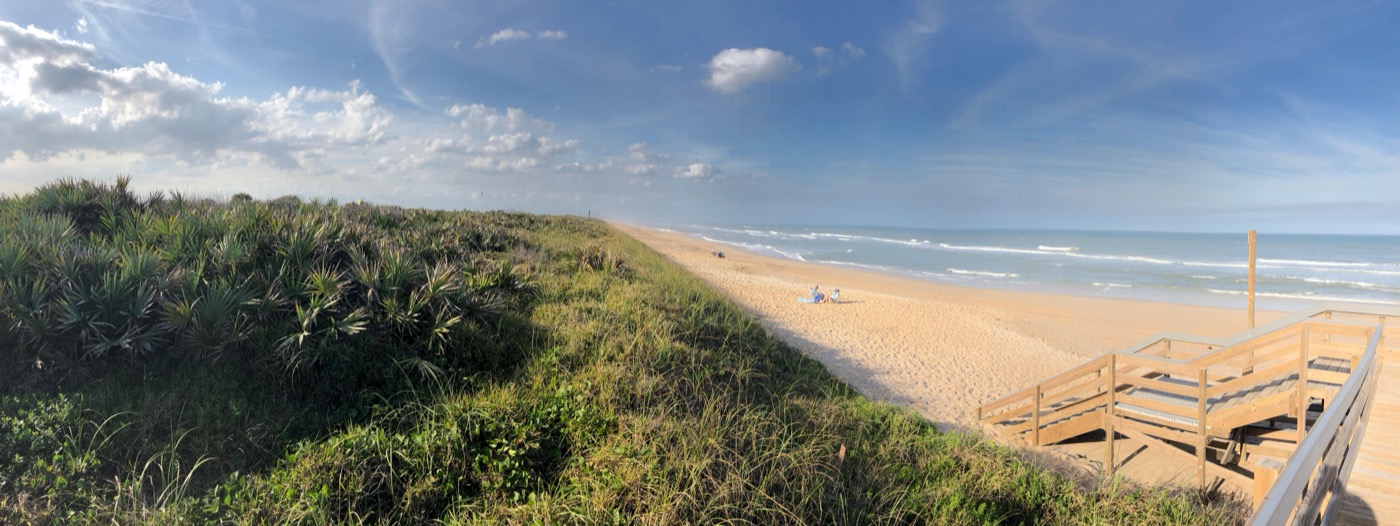
Canaveral is 24 miles of wild barrier island sandwiched between Kennedy Space Center and the Atlantic: no boardwalks, no condos, just dunes, lagoon, and shell mounds. Set your expectations for "quiet and natural," not "resort." Bring water, sun cover, and bug spray, and you'll have one of the best undeveloped beaches in the state mostly to yourself.
The two beach districts: Apollo and Playalinda
The park has two ends, and they don't connect by road. You pick one per visit. Apollo Beach is the northern district, reached through New Smyrna Beach off A1A. It's home to the Apollo Visitor Center and the calmest, most family-friendly stretches of sand.
Playalinda Beach is the southern district, reached through Titusville on Garden Street (Exit 220 off I-95). It sits right up against Kennedy Space Center, so the views north include launch towers. Numbered parking lots run down the beach, and the farther south you walk, the more clothing-optional and empty it gets.
Entrance is $25 per vehicle, good for seven consecutive days. Gates are open 6 a.m. to 8 p.m. daily, with last entry at 7 p.m. Lots fill on warm weekends and holidays. Arrive before mid-morning or have a backup plan.
Castle Windy Trail and the Timucua shell mounds
This is the one short hike worth building in. Castle Windy Trail starts at Apollo Beach parking area number three, on the west side of the road, and runs an easy half mile through a maritime hammock to Mosquito Lagoon. At the end sits Castle Windy itself, a mound of discarded shells left by the Timucua people, roughly 1,000 years old.
It's flat and short enough for kids, but the trail is unpaved, narrow (about four feet), and laced with roots, so it's not wheelchair accessible. Leashed pets are fine. Do not climb on the mound. It's a fragile archaeological site, not a lookout.
One warning that the park itself repeats: from April through October, expect mosquitoes the whole way. The lagoon is named Mosquito Lagoon for a reason. Bring repellent and water and you'll be fine; show up unprepared in July and you'll cut the walk short.
Seminole Rest and Eldora
If you want history without sand, Seminole Rest is a separate site in Oak Hill, open dawn to dusk and free (no entrance fee). A half-mile loop, partly paved and partly boardwalk, circles a 15-foot shell mound (Snyder Mound) with a layered story: Timucua origins, a later pioneer settlement, and the preservation work that saved it. The view from the top out over Mosquito Lagoon is the payoff.
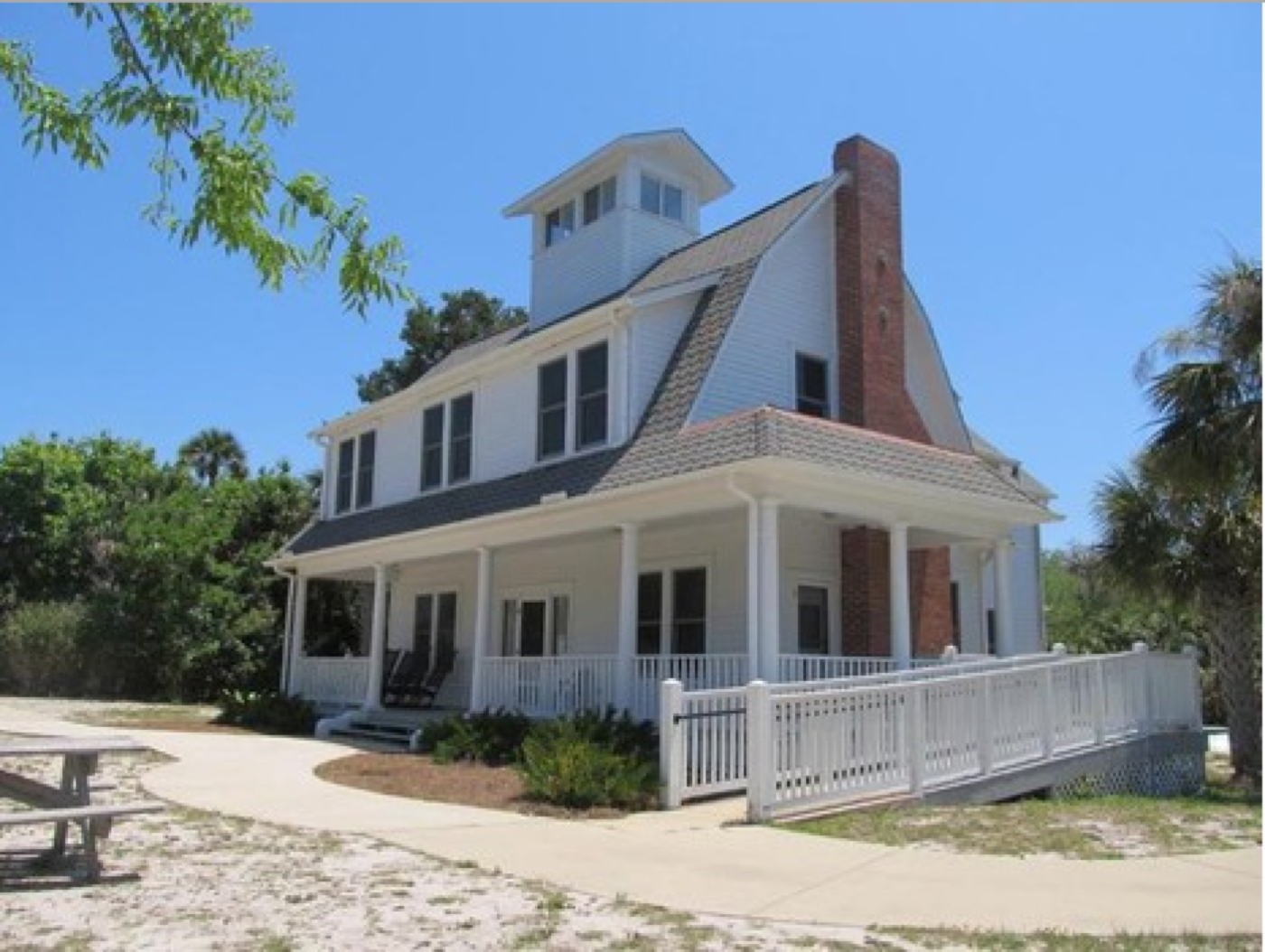
Back in the Apollo district, the Eldora State House is a restored early-20th-century homestead on the lagoon, a small window into the river-community life that existed here before the park. Both sites are low-key and quick, good for breaking up a beach day or for a cooler, shadier afternoon.
Mosquito Lagoon and the wildlife
The water side of Canaveral is as much the point as the ocean side. Mosquito Lagoon is part of the Indian River system and a renowned spot for paddling and fishing. Kayaking and canoeing are some of the best ways to actually see the place. It's also a sea turtle nesting beach and a serious birdwatching destination, so pack binoculars.
A few practical notes:
- Heat is the real hazard. Summer runs in the 90s with high humidity and almost no shade on the open beach. Hats, water, and an early start matter more than they would up north.
- Winter is the sweet spot. Temperatures sit in the 40s–70s, the bugs back off, and the crowds thin, which is exactly why the park lists winter as the prime season for the trails.
- Hurricane season is June 1–November 30, with the most activity August through October. Storms can close the park or reshape the beach; check conditions before you drive out.
- Kids: ask at the Apollo Visitor Center about the Junior Ranger program, and let the shell mounds do the heavy lifting. A 1,000-year-old pile of dinner leftovers tends to land better than any plaque.
Planning the trip? Nestward builds a day-by-day plan in minutes, free, no subscription. See how it works →