 Nestward
What to See at Assateague Island
Wild horses, open beach, and a barrier island the ocean rebuilds every day.
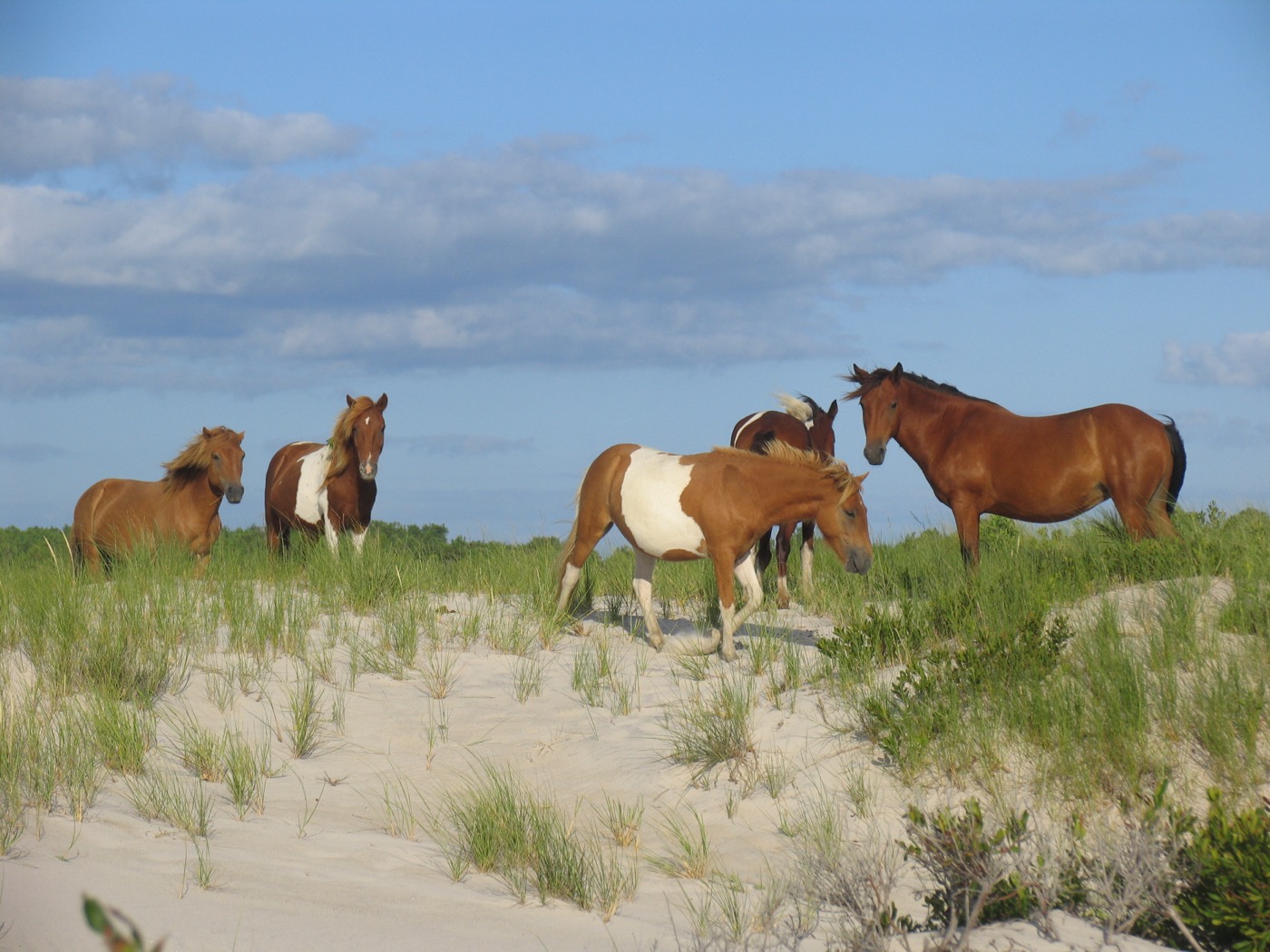
Assateague is a long, low barrier island that the wind and waves remake daily, straddling Maryland and Virginia. Most people come for the wild horses (and you'll probably see them), but the real draw is a beach that hasn't been paved over, plus easy family wins like crabbing and birding. The one thing to sort out before you go: this is really two parks, and you can't drive between them.
Know the two-district split first
Assateague has two separate entrances, and there's no road connecting them on the island. To get from one to the other, you drive back to the mainland and loop around, about an hour and a half. Pick your side before you go.
- Maryland district: north entrance at the end of Route 611, eight miles south of Ocean City. This is the laid-back side: horses roam free, dogs are allowed in spots, and you can camp on the sand.
- Virginia district: south entrance at the end of Route 175, two miles east of Chincoteague. This side overlaps the Chincoteague National Wildlife Refuge. The horses are fenced into management areas, no pets are allowed at all (not even in your car), but the birding is excellent.
Entrance is $25 per vehicle, good for seven days on both sides. The island is open year-round; gate hours shift by season, running latest (5 a.m.–10 p.m.) from May through September.
The wild horses
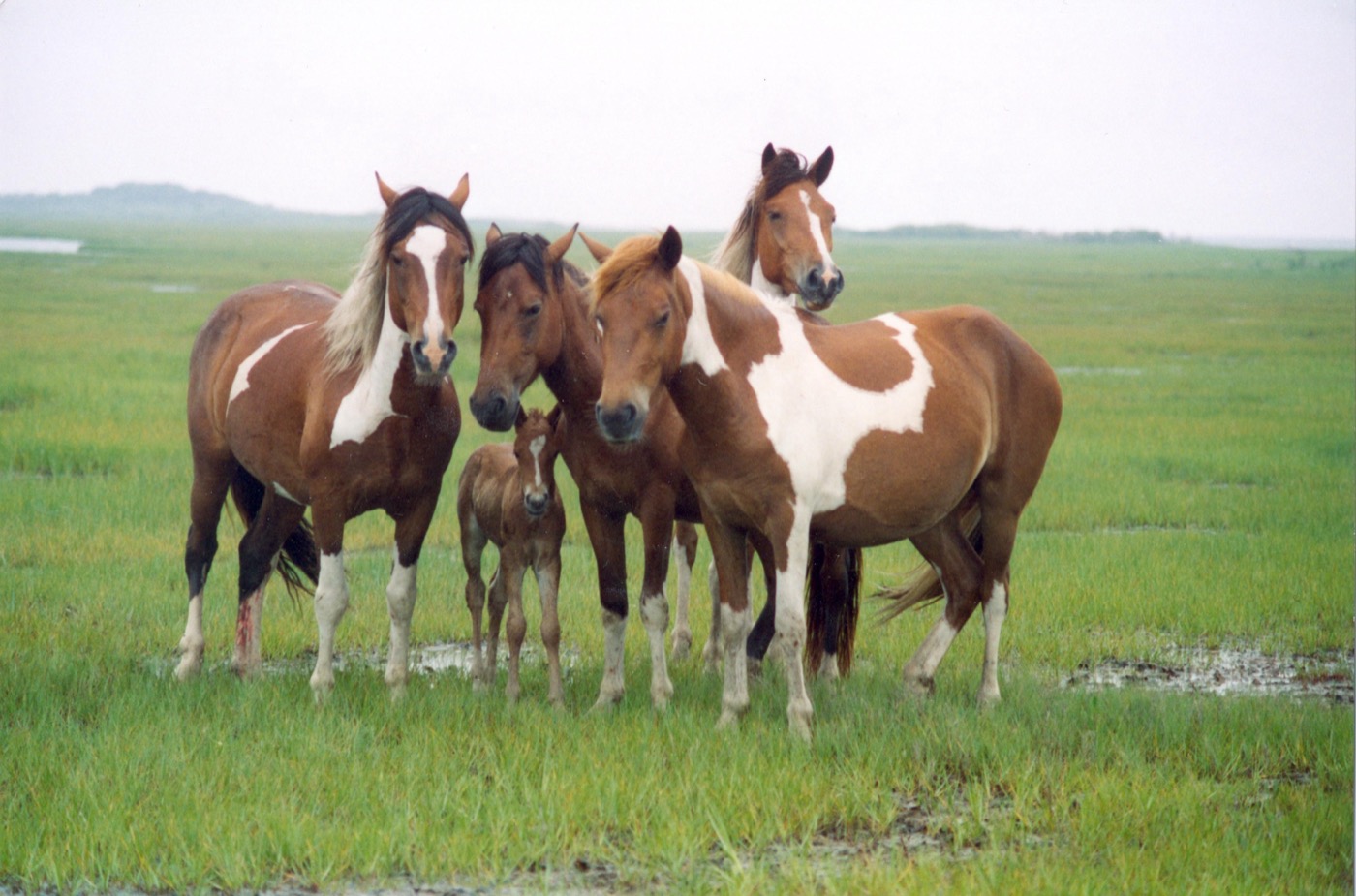
This is what most people picture, and it lives up to it. In the Maryland district the horses have free range over the whole area. Watch for them grazing beside Bayberry Drive, standing in parking lots, or wandering onto the beach near the campgrounds (they like the paved areas in summer to escape biting flies). In Virginia they're called Chincoteague Ponies and stay fenced into two herds.
- Keep at least 40 feet away (about a bus length). These are wild animals; they bite and kick, and it's illegal to feed or touch them.
- If you stop near them in the car, keep your windows up.
- To see Virginia's southern herd, the easy option is the Woodland Trail, a 1.6-mile paved loop with an observation platform. Bring bug spray.
- The northern Virginia herd is a serious hike, up to a 17-mile round trip on the Service Road. Skip it with kids.
Beyond the horses
The horses can take ten minutes or all day. Build the rest of your visit around the water:
- Surf fishing: open along the public beachfront in both districts (just not the lifeguarded stretch). Kingfish, flounder, striped bass, bluefish, and drum are all in play. You need a state saltwater fishing license. Kids can dig mole crabs for bait.
- Crabbing: the easiest family activity here. A hand line, a chicken neck, and a long-handled net is all it takes. In Maryland, head to Old Ferry Landing; in Virginia, the docks just before the wildlife refuge entrance.
- Birding at Toms Cove: the Virginia district sits on the Atlantic Flyway. Start on the deck of the Toms Cove Visitor Center, where a wheelchair-accessible scope looks out over the cove. Shorebirds and ospreys in summer; ducks and snow geese during fall and winter migrations.
- The beach itself: undeveloped, wide, and constantly reshaped. Swimming is available, with lifeguarded sections in season.
Practical notes for families
- Biting insects are real. Spring through fall, mosquitoes and biting flies on the marsh side can be relentless. Pack bug spray and don't make it optional.
- Dogs: Maryland side only, on a six-foot leash, and never on the lifeguarded beach or nature trails. The entire Virginia district is off-limits to pets.
- Camping is in the Maryland district, including oceanside tent sites in the dunes. Book ahead in summer.
- Weather: summers are hot and humid (80s); spring and fall are cooler and often windy; winter is damp, raw, and quiet.
- There's a Junior Ranger program, and the horses alone usually sell the trip to kids.
Planning the trip? Nestward builds a day-by-day plan in minutes, free, no subscription. See how it works →