 Nestward
One Day in Shenandoah National Park
A focused, drive-and-hike route through Virginia's Blue Ridge.
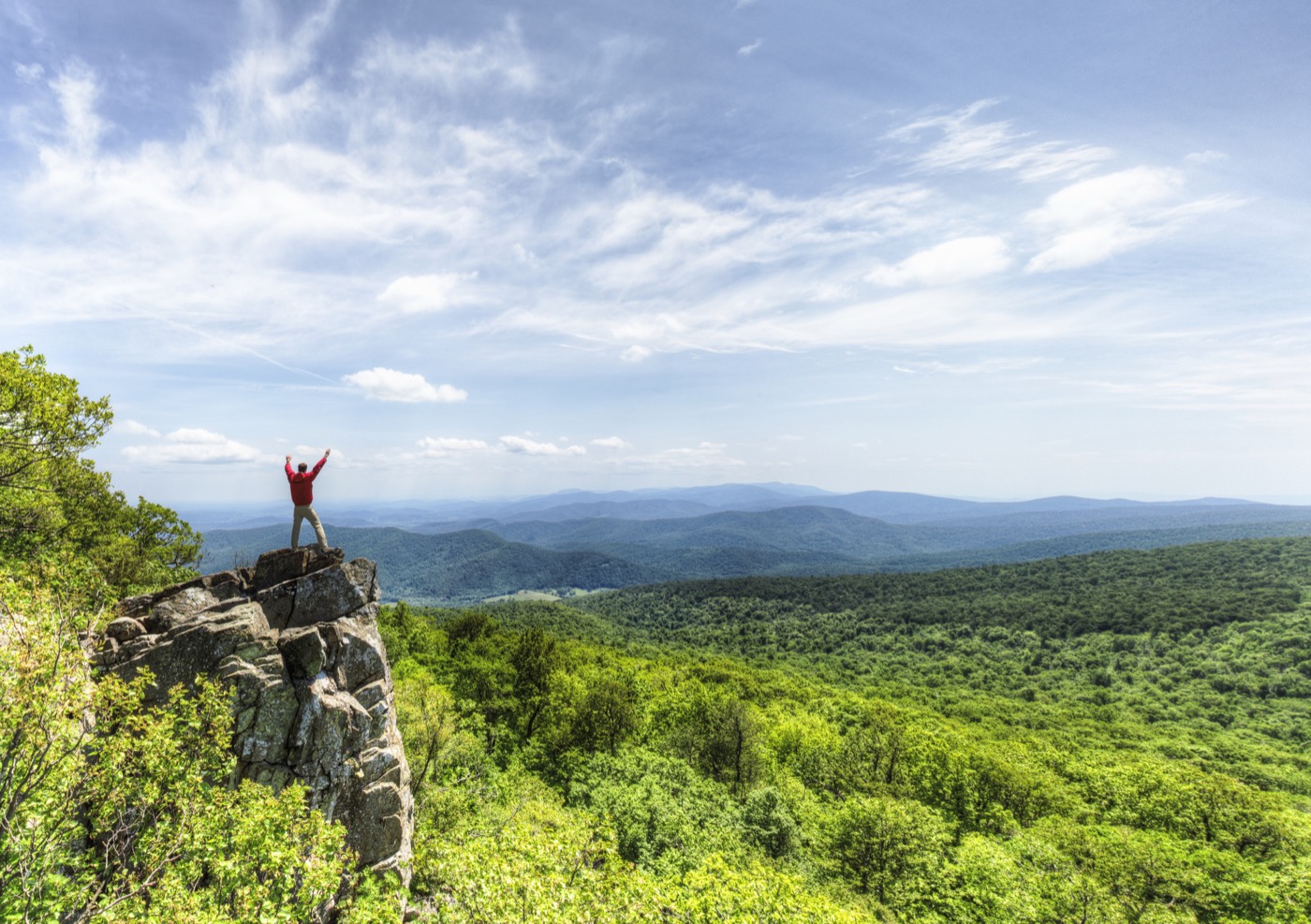
Shenandoah sits just 75 miles from Washington, D.C., which is its gift and its catch: easy to reach, and busy because of it. But the park is long and skinny (105 miles of Skyline Drive), so a day here is less about cramming and more about picking one good stretch and doing it well. Here's a route that gets you a summit view, a waterfall, and a sunset without feeling rushed.
Get in early and pick your entrance
Shenandoah has four entrances along Skyline Drive: Front Royal (north), Thornton Gap, Swift Run Gap, and Rockfish Gap (south). For a single day, Thornton Gap on US-211 is the sweet spot. It drops you near the park's tallest, most scenic central district. Entry is $30 per vehicle for seven days, or free with an America the Beautiful pass.
Arrive before 9 a.m. if you can. The park is open 24/7, but the central district parking lots fill fast on summer and fall weekends, and Skyline Drive itself is a slow 35 mph road, so budget more drive time than the mileage suggests. One fair warning: GPS is unreliable for navigating here, so route to the entrance station by name, not a pin dropped mid-park.
Morning: a real summit, the easy way
Start with Stony Man, near Skyland around mile 41.7. It's one of the highest points in the park, and the climb to the summit is short and gentle, a rare combination of big payoff and low effort. From the top you get a wide-open view down the Shenandoah Valley, ideal while the morning light is still soft and the crowds are thin.
If you've got more in the legs and want the park's signature challenge, Old Rag is the famous one: a long, very strenuous circuit with genuine rock scrambles. But it requires a day-use ticket booked in advance, starts from a separate boundary trailhead, and will eat your entire day. For a one-day overview, skip it this trip and save it for a dedicated outing.
Midday: chase a waterfall
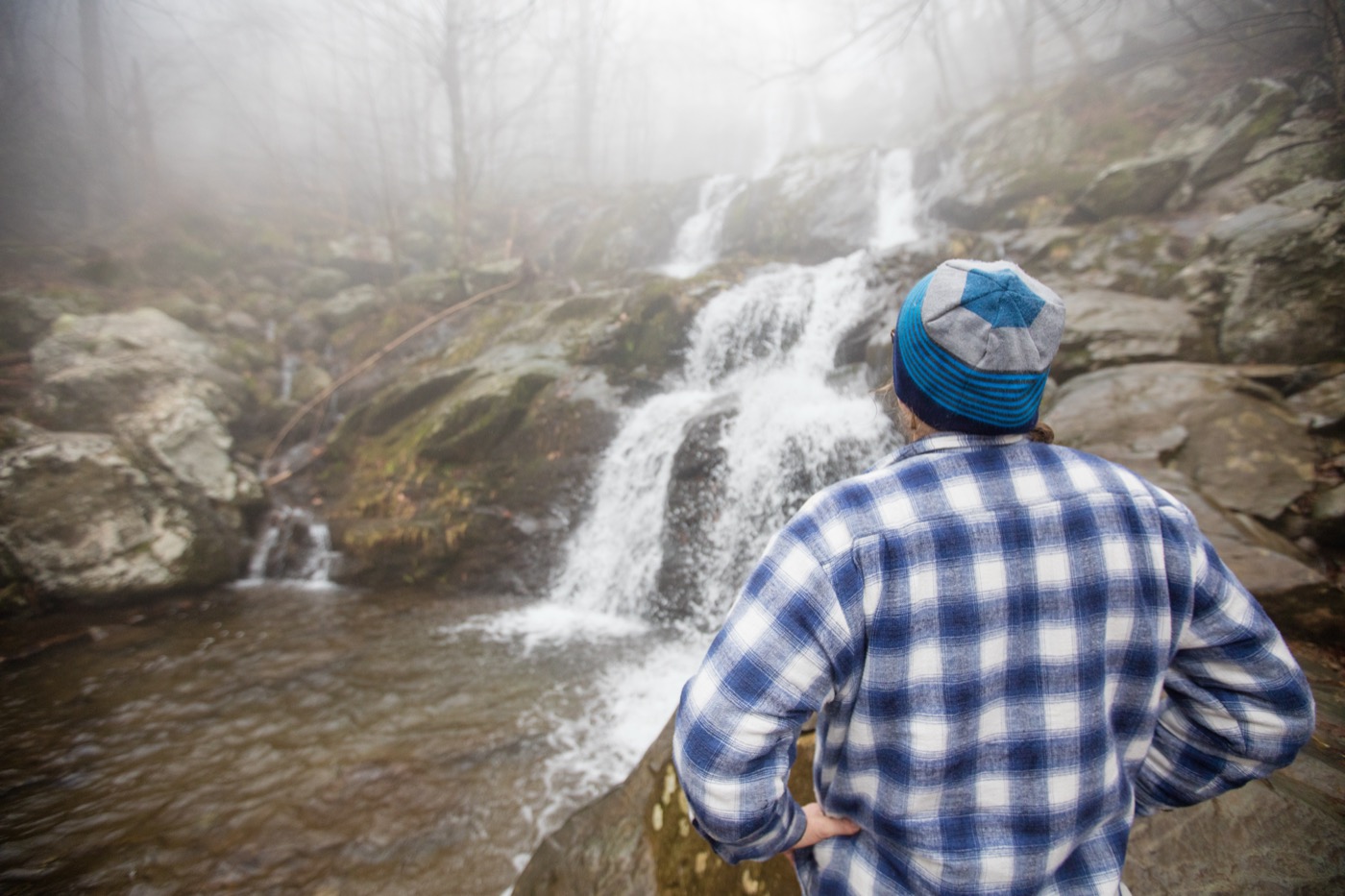
Shenandoah's waterfalls live in its wooded hollows, and the most popular for good reason is Dark Hollow Falls near mile 50.7, a 70-foot cascade reached by a short but steep walk. The trick is that it's all downhill on the way in, which means the climb back out is the workout. Go slow, bring water, and don't underestimate the return in summer humidity.
Other strong options if Dark Hollow's lot is jammed:
- Rose River Falls: a quieter loop through the same hollow country.
- Doyles River Falls: a two-tier hike in the south district if you entered at Swift Run Gap.
- Whiteoak Canyon: a stacked series of falls; you can hike as far down as your knees allow and turn around.
Pack a picnic. There are dining spots in the park, but a sandwich at an overlook beats waiting in a lunch line.
Afternoon: drive the overlooks
This is what Skyline Drive does best. Between hikes, the road strings together dozens of pullouts. Hazel Mountain Overlook and Jeremys Run Overlook are among the named stops, but honestly, pick the ones with open parking and a view you like. Keep an eye out for wildlife: the park is home to black bear, white-tailed deer, and over 200 bird species, and deer along the road at dusk are nearly guaranteed.
Remember the weather rule here: the mountain runs about 10°F cooler than the valley below, and storms build fast in summer afternoons. Layers, always.
A note on bringing the dog
Good news, for once: Shenandoah is unusually dog-friendly for a national park. Leashed pets are allowed on most of its trails, with a handful of exceptions for safety and resource protection. Notably, dogs are not permitted on the Old Rag ridge and access trails. Keep your dog leashed (six feet), pack out waste, and check the current closure list before you go. If you've been burned by stricter parks, this is the one where the dog actually gets to come along.
End on the ridge at golden hour
Finish where you can see the layers of mountains go blue and then gold. Any west-facing overlook in the central district works for sunset. If you stay past dark, Shenandoah is a designated night-sky destination. Pull over at a wide overlook, kill the headlights, and let your eyes adjust. Then drive out slowly. Those deer don't check for cars.
Planning the real thing? Nestward builds a day-by-day plan for this park in minutes, free, no subscription. See how it works →